
 3 min read
Here’s what you’ll learn when you read this story:
A new dark matter detector is ready to begin its search for the universe’s most elusive particle.The detector is 6,800 feet deep in an active nickel mine, and chilled to a few thousandths of a degree below zero.The mineshaft is the perfect environment to find weakly interacting massive particles, or WIMPs.
The future of human understanding lives on the extremes. Scientists and engineers toil away to build fusion reactors whose temperatures far exceed those found on the Sun, and in our never-ending search for dark matter (an as-of-yet undetected substance that makes up 85 percent of all matter in the universe), things need to get cold—really cold.
Last month, the Super Cryogenic Dark Matter Search (SuperCDMS) at SNOLAB—located at an active nickel mine near Sudbury, Ontario—officially reached temperatures a few thousandths of degree above absolute zero, which is hundreds of times colder than space. At this temperature, heat-driven motion almost completely stops, which is incredibly helpful when your quarry refuses to absorb light and barely even interacts with matter at all.
Related Story
Located 6,800 feet underground, the SuperCDMS structure is a 13-foot-by-13-foot cylindrical enclosure made from ultra-pure lead (which blocks gamma radiation) and high-density polyethylene (which reduces neutron activity). The detector is also made from silicon and germanium, whose minimal radioactive backgrounds (among other advantageous properties) make them perfect materials to search for weakly interacting massive particles (WIMPs) which may be the source of dark matter.
“Getting to base temperature is a major milestone in a years-long campaign to build a low-background facility capable of housing our sensitive cryogenic solid-state detectors,” Priscilla Cushman, the spokesperson for the SuperCDMS experiment and professor at the University of Minnesota, said in a press statement. “At these extremely low temperatures, our installed detectors can now scan a whole new region of parameter space where the lightest dark matter particles may be lurking.”
SuperCDMS is a sequel to a series of cryogenic dark matter search (CDMS) experiments dating back to the late 90s, and a direct descendent of the SuperCDMS Soudan experiment that took place at the Soudan Underground Mine in Minnesota from 2011 to 2015. Under construction since 2018, the now-complete SuperCDMS at SNOLAB improves upon its predecessor in nearly every conceivable way, and boasts “world-leading sensitivities” that make it cpaable of detecting particles between half a proton mass and five times a proton’s mass.
Related Story
“With many more sensors per detector than in the previous SuperCDMS Soudan experiment, along with new simulation tools and AI-enabled reconstruction, the data will be far richer than we originally planned,” Noah Kurinsky, a researcher from SLAC National Accelerator Laboratory who helped design the detectors, said in another press statement. “Every day will be new; this is new science from day one.”
Here’s how these detectors actually work. If a dark matter particle enters the detector, it should strike an atom in the atomic lattice, causing it to vibrate while sending electrons through the crystal itself. Because of SuperCDMS’s pristine detection environment—thanks to ultracold temperatures, formidable shielding from gamma radiation, and highly purified germanium-silicon detectors—scientists will be able to discern if a WIMP enters the detector, providing the first direct observation of dark matter (and, potentially, also the discovery of other rare isotopes or previously-unseen particle interactions).
While SuperCDMS has finally achieved the temperatures required to (hopefully) pull off this world-changing science, the team still needs a few more months for calibrating and optimizing detector channels. Then, after nearly a decade of waiting, it’ll be showtime.
Great Deals You Don’t Want to Miss

Best Portable Charger Deal
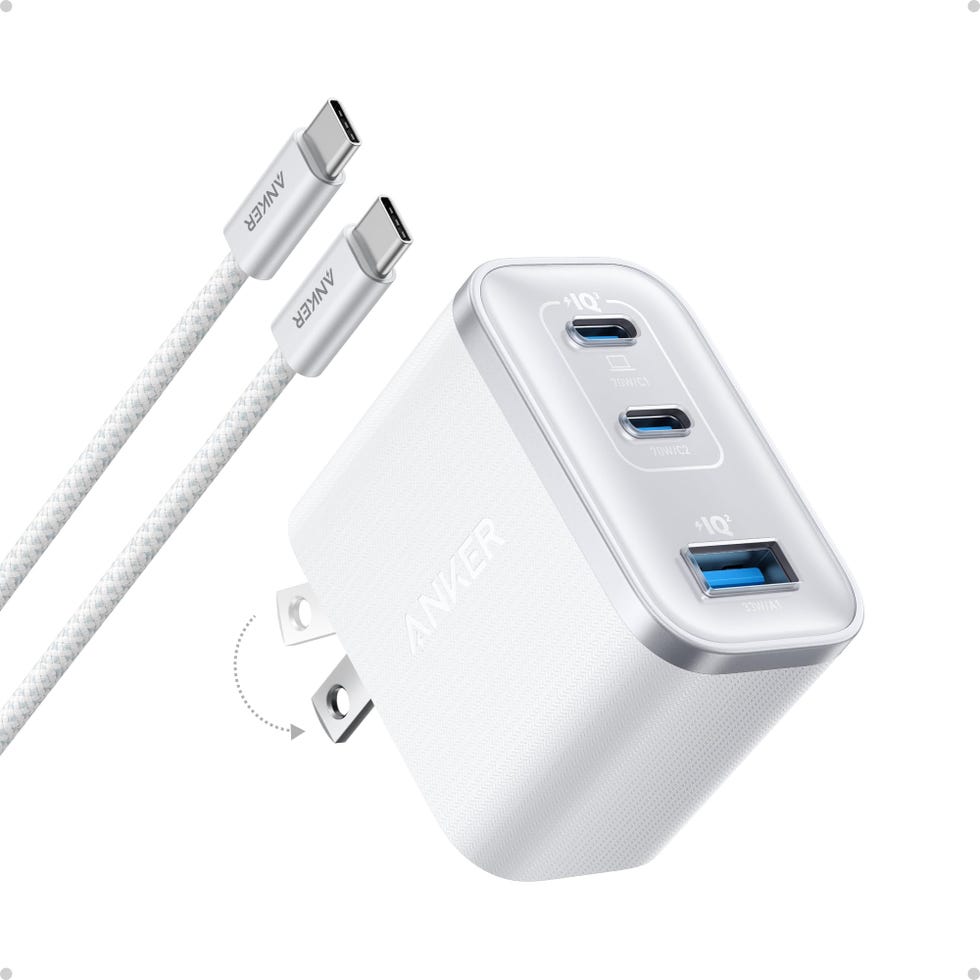 Anker 3-Port USB-C Nano Charger
Now 20% Off
Best Vacuum Deal
 Dyson V8 Plus Cordless Vacuum
Now 21% Off
Best TV Deal
 INSIGNIA 55-inch 4K UHD Smart Fire TV
Now 43% Off
Best Headphones Deal
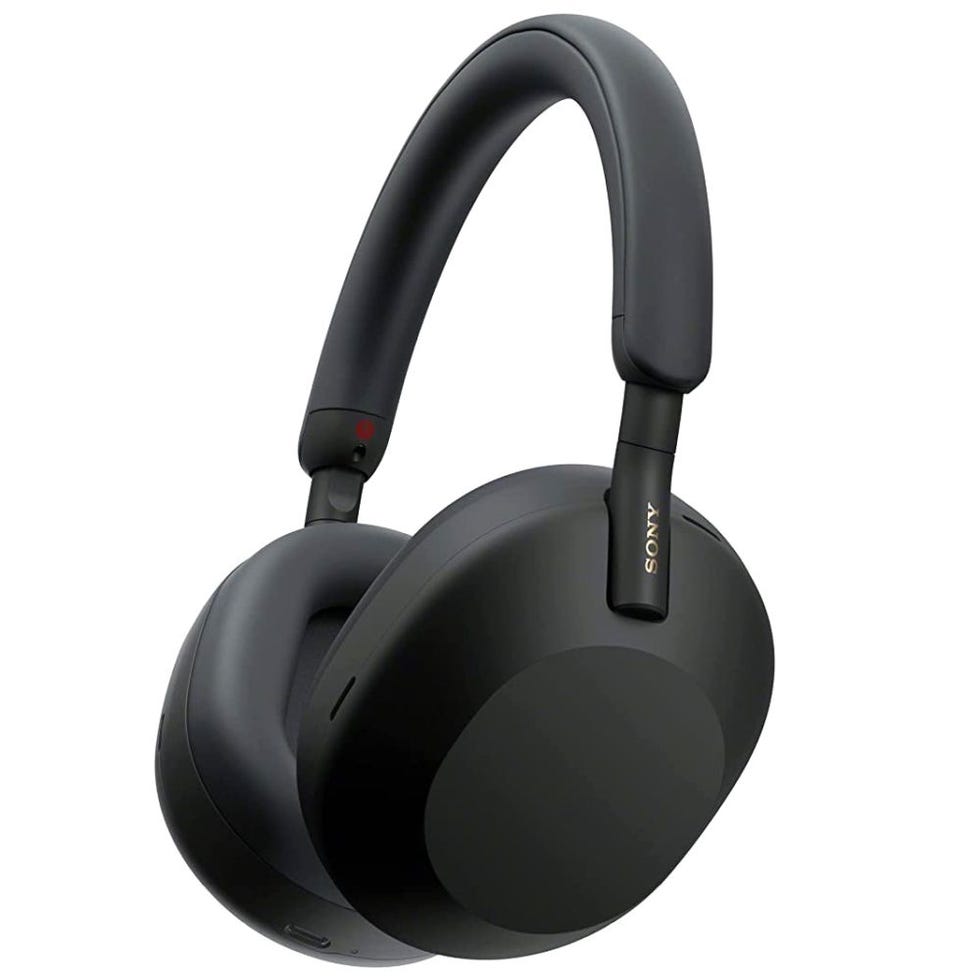 Sony WH-1000XM5 Noise Canceling Headphones
Now 38% Off
Best Jump Starter Deal
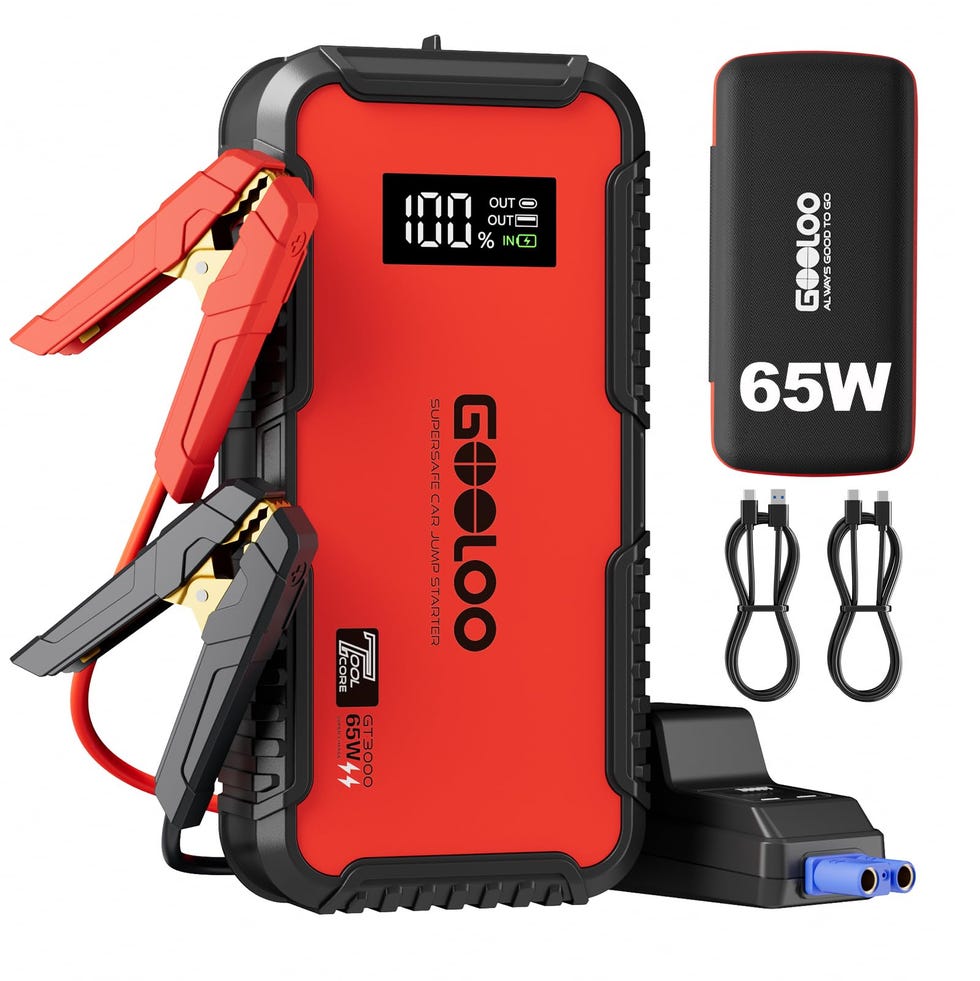 GOOLOO GT3000 Jump Starter
Now 30% Off

Darren lives in Portland, has a cat, and writes/edits about sci-fi and how our world works. You can find his previous stuff at Gizmodo and Paste if you look hard enough.