
NEED TO KNOW
A sungrazing comet, C/2026 A1 (MAPS), disintegrated after passing just 101,000 miles from the sun’s surface earlier this month
Another comet, C/2025 R3 (PanSTARRS), may become visible as it approaches the sun and Earth
The stellar event is slated to take place later this month
One comet flew too close to the sun and didn’t survive, but another is already preparing to take center stage in the night sky!
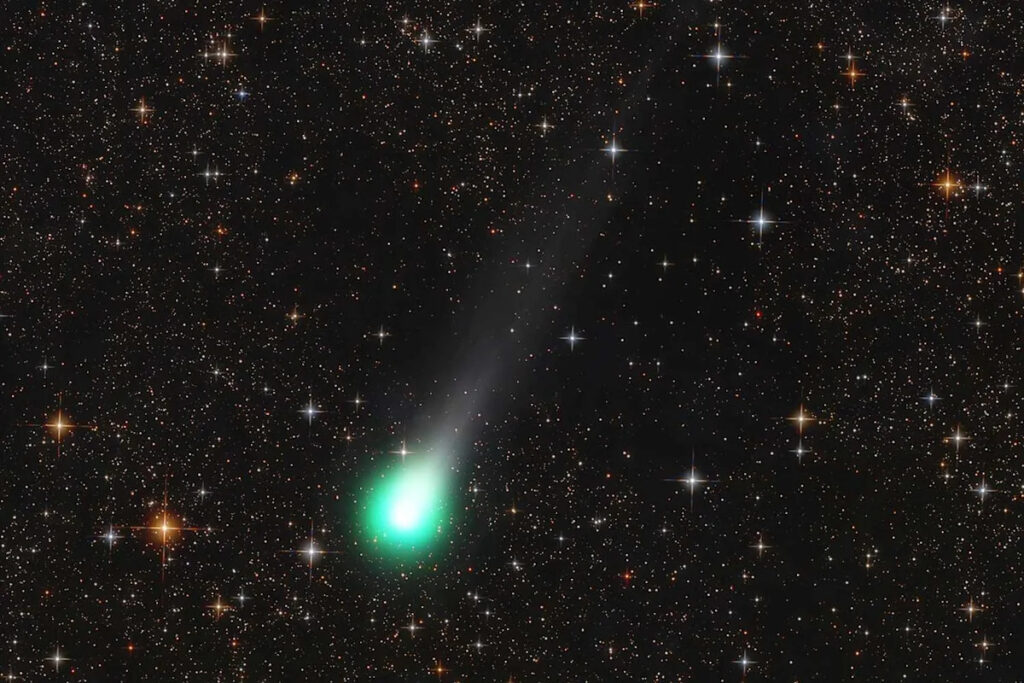
Earlier this month, a sungrazing comet made an extreme close pass by the sun, venturing so near to our star that it likely disintegrated under the intense heat and gravitational forces.
According to Space.com, a comet known as C/2026 A1 (MAPS) swept approximately 101,000 miles of the sun’s surface during its April 4 perihelion, an encounter astronomers had warned could destroy it.
This frequently happens to sungrazing comets because the sun’s intense heat and tidal forces can tear apart their fragile icy structure.
While this particular visitor appears to have broken apart during its fiery encounter, skywatchers may not have to wait long for the next celestial spectacle.
Another comet — C/2025 R3 (PanSTARRS) — is now moving toward peak brightness and could become visible later this month as it approaches both the sun and Earth.
Here’s everything you need to know about this stellar event.
Why did the comet vaporize near the sun?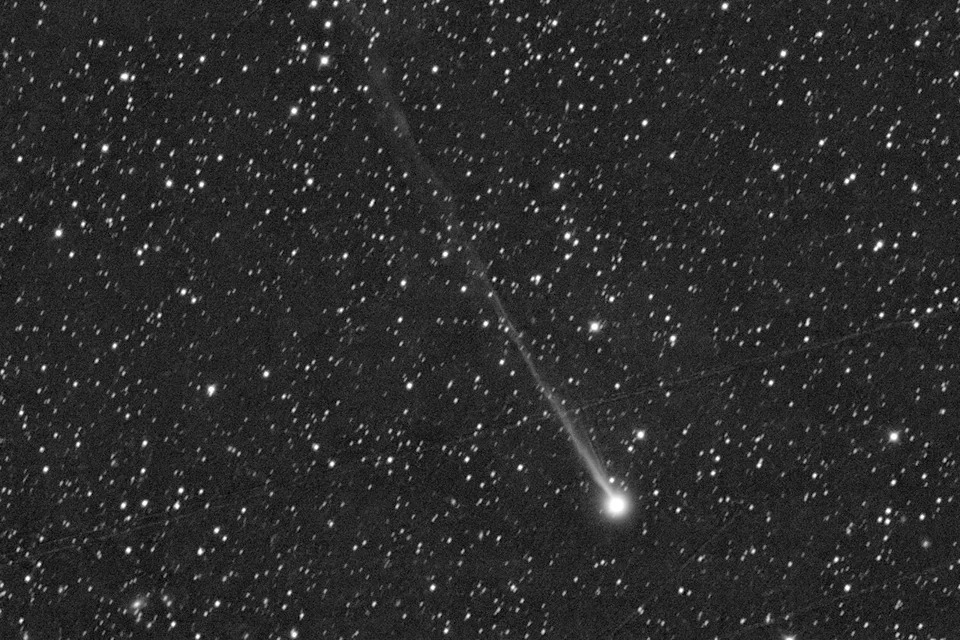
Comet SWAN25F: an image – 8 Apr. 2025
Credit: The Virtual Telescope Project
According to NASA, comets that pass extremely close to the sun are known as sungrazers, and their journeys are often dangerous.
As they approach the sun, the icy material within them rapidly heats and vaporizes, releasing gas and dust that form the glowing coma and tail visible from Earth.
If the comet ventures too close, however, the intense heat and gravitational forces from the sun can overwhelm its fragile structure.
Why don’t comets always survive their journey?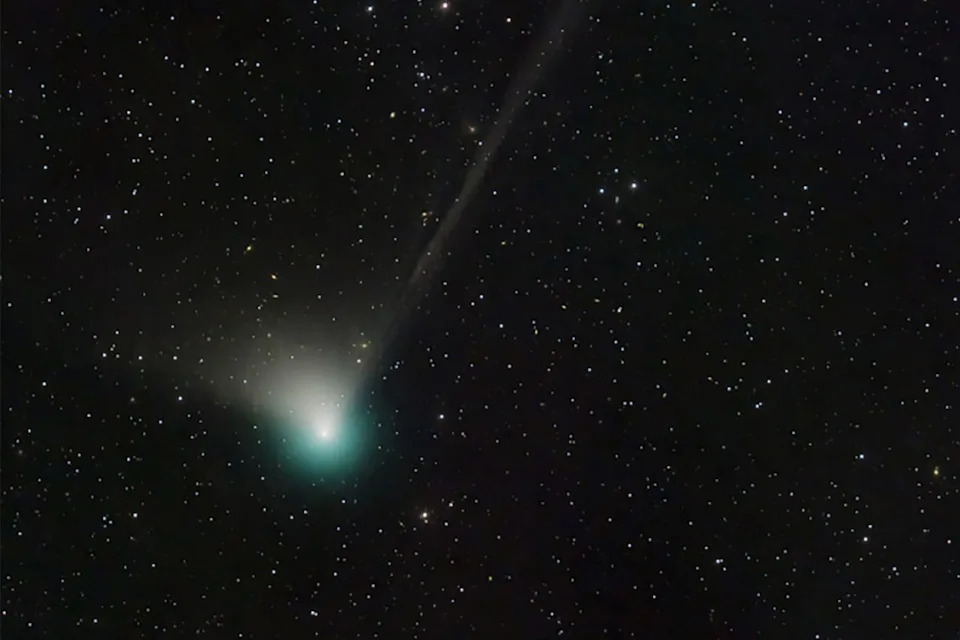
Comet C/2022 E3
Credit: DAN BARTLETT/NASA/AFP via Getty
Comets are often described as “dirty snowballs,” icy leftovers from the early solar system made of frozen gases, dust and rock, per NASA. While they can spend most of their time far from the Sun in the outer solar system, their structures are relatively fragile.
When they travel toward the inner solar system, solar radiation causes the ice inside them to sublimate, turning directly from solid to gas. This process can weaken the comet’s nucleus and trigger fragmentation or total disintegration, particularly during extremely close sungrazes.
When will the next comet peak?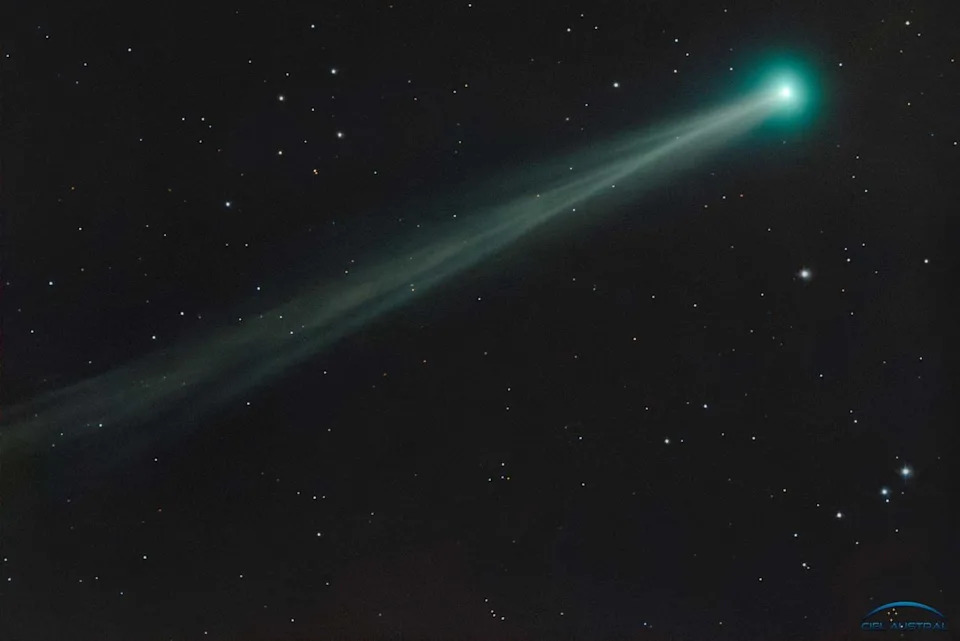
The new comet C/2025 R2 (SWAN)
Credit: Cielaustral Team
Even though one comet appears to have vanished in a fiery solar encounter, another is now drawing attention from astronomers.
According to Space.com, Comet C/2025 R3 (PanSTARRS) is expected to reach perihelion around April 20, when it makes its closest approach to the Sun, and will pass closest to Earth around April 27.
Those orbital milestones could make the comet easier to observe from dark locations with binoculars or small telescopes if its brightness develops as predicted.
Read the original article on People