
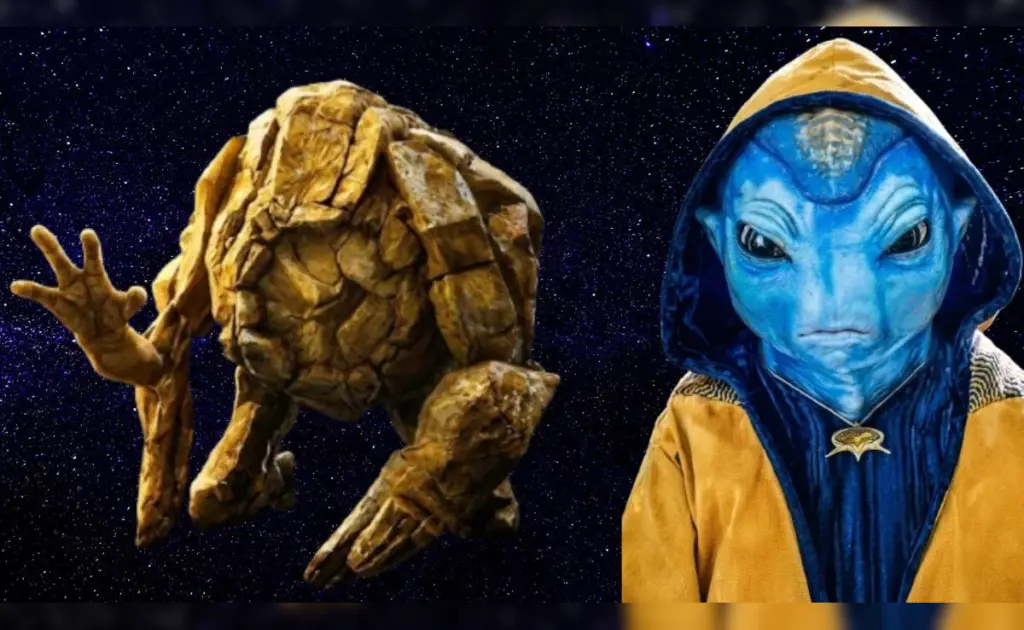
There are aliens you fear, aliens you fight, and then, once in a rare cinematic while, there are aliens you feel. The kind you want to protect, hug, and maybe even learn a strange, musical language for.
And right now, somewhere between space science and soft-hearted storytelling, audiences are collectively pointing at one rock-like creature and going: wait… haven’t we loved someone like this before?
Enter Rocky. Or rather, re-enter Jaadu.
Rocky Is Jaadu In A New Form
At first glance, Rocky from Project Hail Mary and Jaadu from Koi… Mil Gaya couldn’t be more different. One is a faceless, pentagon-bodied, five-limbed (rock) alien who communicates in musical chords and breathes ammonia.
The other is a wide-eyed, glowing, almost childlike extraterrestrial who thrives on sunlight and emotion.
And yet, the moment Rocky appears on screen, jittery, expressive, and impossibly endearing, something clicks. For Indian audiences especially, it’s deja vu of the warmest kind.
Because Rocky, much like Jaadu, isn’t written as an alien other. He’s written as an alien friend.
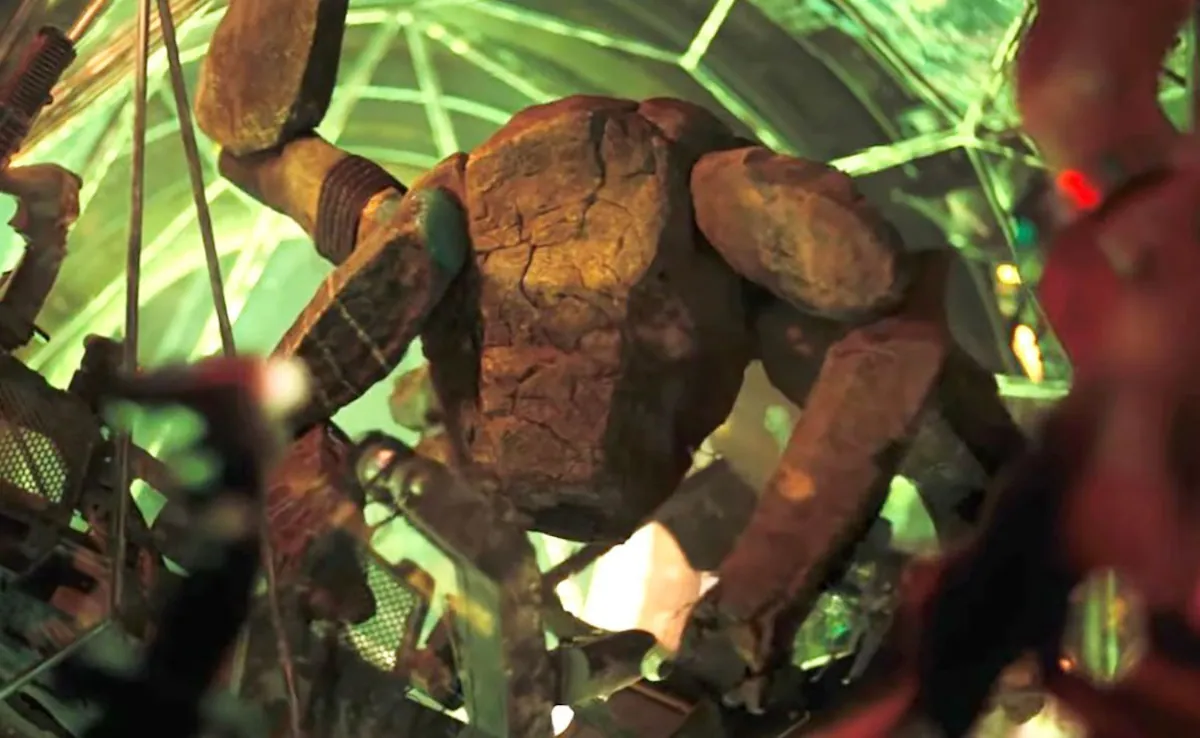
Meet Rocky, a faceless, pentagon-bodied, five-limbed (rock) alien.
Both characters thrive on innocence. Jaadu learns human emotion faster than he learns Hindi, reacting with wonder, confusion, and pure-hearted affection.
Rocky, despite being a genius engineer from another planet, carries a guileless impatience and emotional transparency that makes him feel deeply relatable. He doesn’t understand jokes. He repeats things. He reacts instinctively. He feels.
That emotional availability is what collapses the distance between species.
Jaadu heals Rohit, not just physically, but emotionally, transforming his confidence and identity. Rocky does something equally profound: he gives Ryland Grace purpose, companionship, and hope in the vast emptiness of space.
In both narratives, the alien isn’t a side character. He is the catalyst.
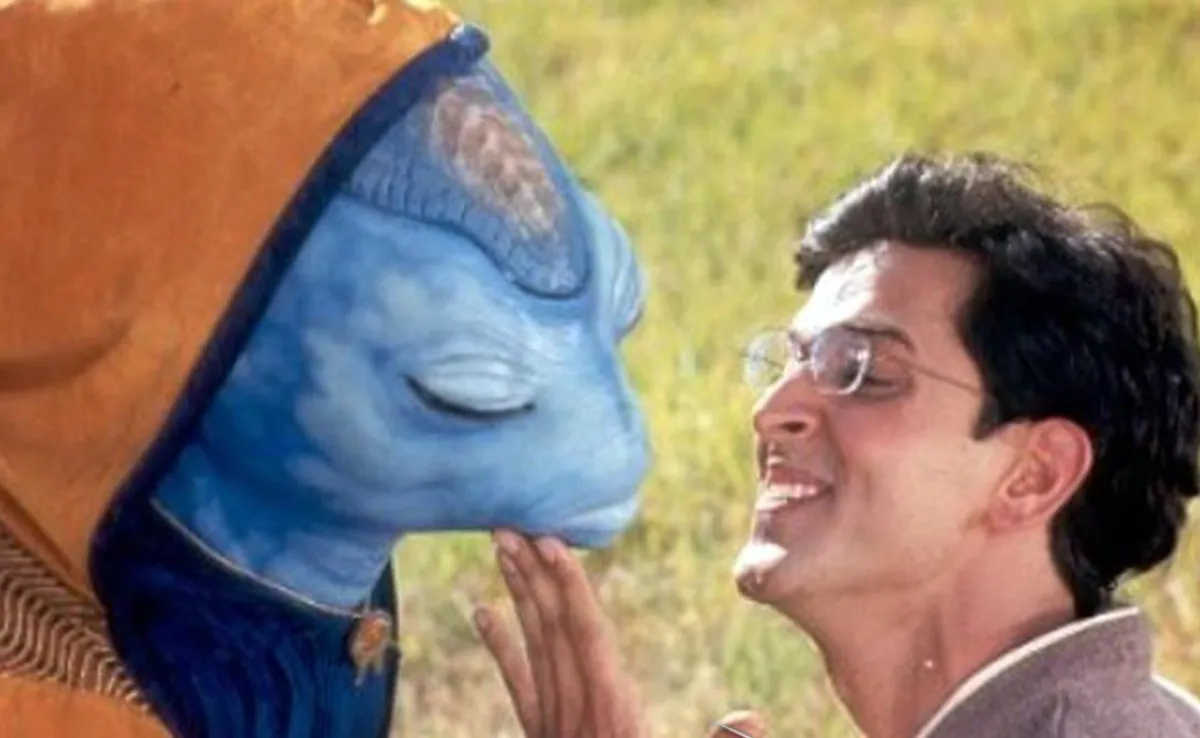
A still of Jaadu and Hrithik Roshan from Koi… Mil Gaya.
And crucially, both friendships are mutual.
Rohit risks everything to return Jaadu home, even if it means losing the powers that changed his life. Grace, after choosing duty, turns back, choosing Rocky over Earth, knowing he may never return. These are bonds forged in trust, sacrifice, and an unspoken understanding that transcends biology.
Different worlds. Same emotion.
When Aliens Aren’t The Enemy
For decades, cinema has conditioned us to brace ourselves when aliens arrive. From the acid-blooded terror of the Xenomorph in Alien to the relentless invasion machines of War Of The Worlds, extraterrestrials have largely been metaphors for fear-the unknown, the uncontrollable, the unstoppable.
Aliens hunt. Aliens invade. Aliens destroy.
That’s precisely why Rocky and Jaadu feel so refreshing.
They flip the gaze.
Instead of being threats, they are vulnerable. Instead of conquering, they are stranded. Instead of fearing humans, they trust them.
Rocky arrives not as an invader but as a fellow survivor, trying to save his planet from the same cosmic threat. Jaadu lands accidentally, lost and alone. Their stories are not about conflict but companionship.
And perhaps that’s why audiences are responding so viscerally. Because in a genre dominated by destruction, kindness feels radical.
How Rocky And Jaadu Came To Life
Part of what makes both characters so unforgettable is how real they feel, despite being entirely alien.
Rocky’s creation is a fascinating blend of accident, artistry, and innovation. Brought to life through a seamless combination of puppetry and visual effects, the filmmakers insisted on having a practical version of him on set.
This allowed Ryan Gosling to interact with something tangible, grounding the performance in authenticity.
James Ortiz, the puppeteer and voice actor behind Rocky, approached the character with what he believed was a key biological insight: that time on Rocky’s planet moved faster.
That misunderstanding led him to infuse Rocky with a “hummingbird energy,” making him anxious, jittery, and alive. Even after discovering the mistake, the filmmakers embraced it.
“At some point, I went, ‘Well, Andy, he’s just going to be anxious, okay?’”
That “mistake” became Rocky’s defining charm.
His movements were inspired not by spiders or crabs, too eerie, but by baby owls. His emotions come through motion, through the subtle choreography of limbs and posture. Even when fully animated, Ortiz performed every scene, ensuring consistency between puppet and CGI.
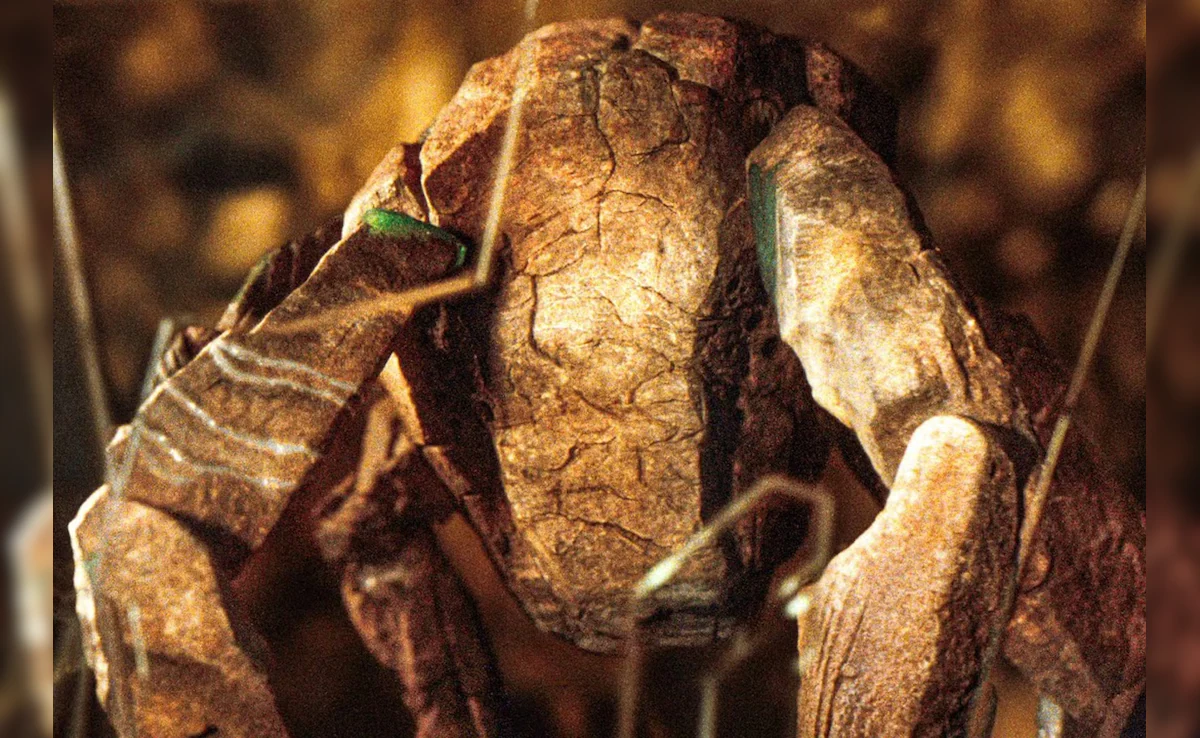
Rocky is brought to life through a seamless combination of puppetry and visual effects.
Jaadu, on the other hand, was a landmark creation in Indian cinema. Played physically by Indravardan Purohit in a specially designed costume built in Australia, Jaadu combined animatronics, costume performance, and visual effects at a time when such integration was rare in Bollywood. The result was a character who could emote, react, and connect in ways that felt startlingly human.
His glowing eyes, soft gestures, and expressive body language turned what could have been a gimmick into a phenomenon.
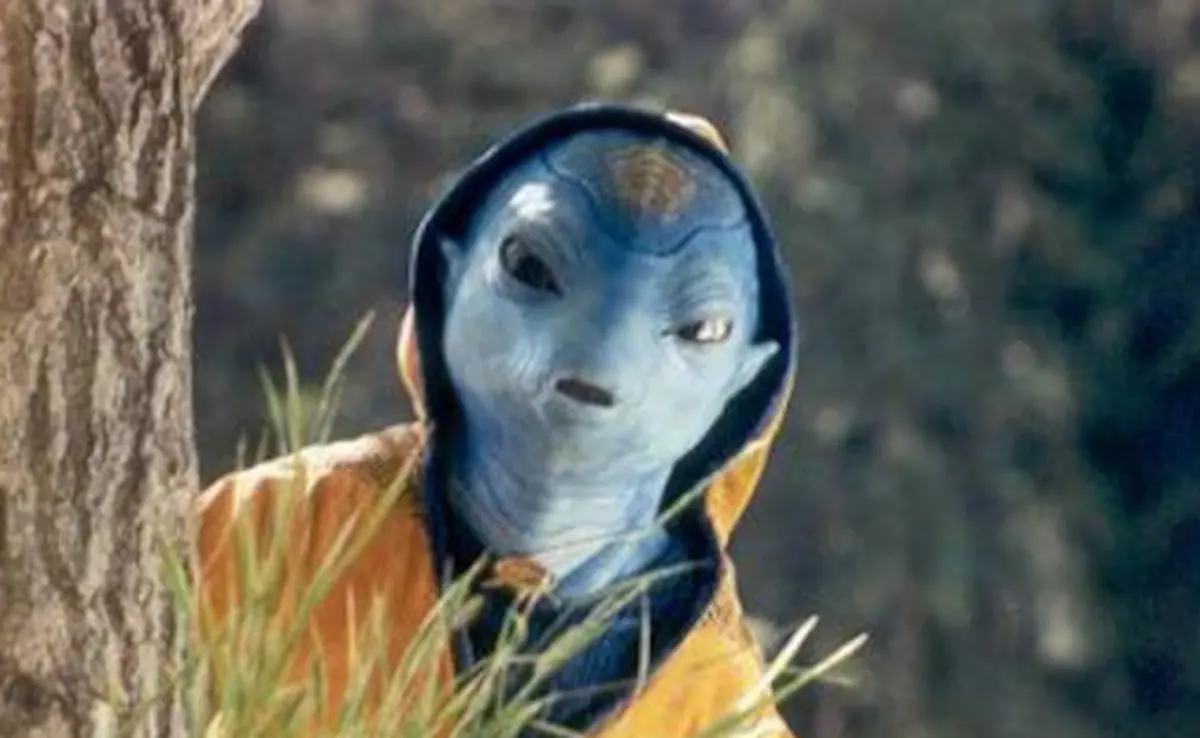
Jaadu combined animatronics, costume performance, and visual effects.
Both characters succeed because they are performed, not just designed.
Rocky, The Internet’s New Obsession
There’s always that one character who escapes the film and takes over the Internet. Rocky is that character.
From fan art to memes to endless “protect him at all costs” posts, Rocky has become the emotional centre of Project Hail Mary’s cultural footprint. And it’s not just because he’s cute, it’s because he’s earnest.
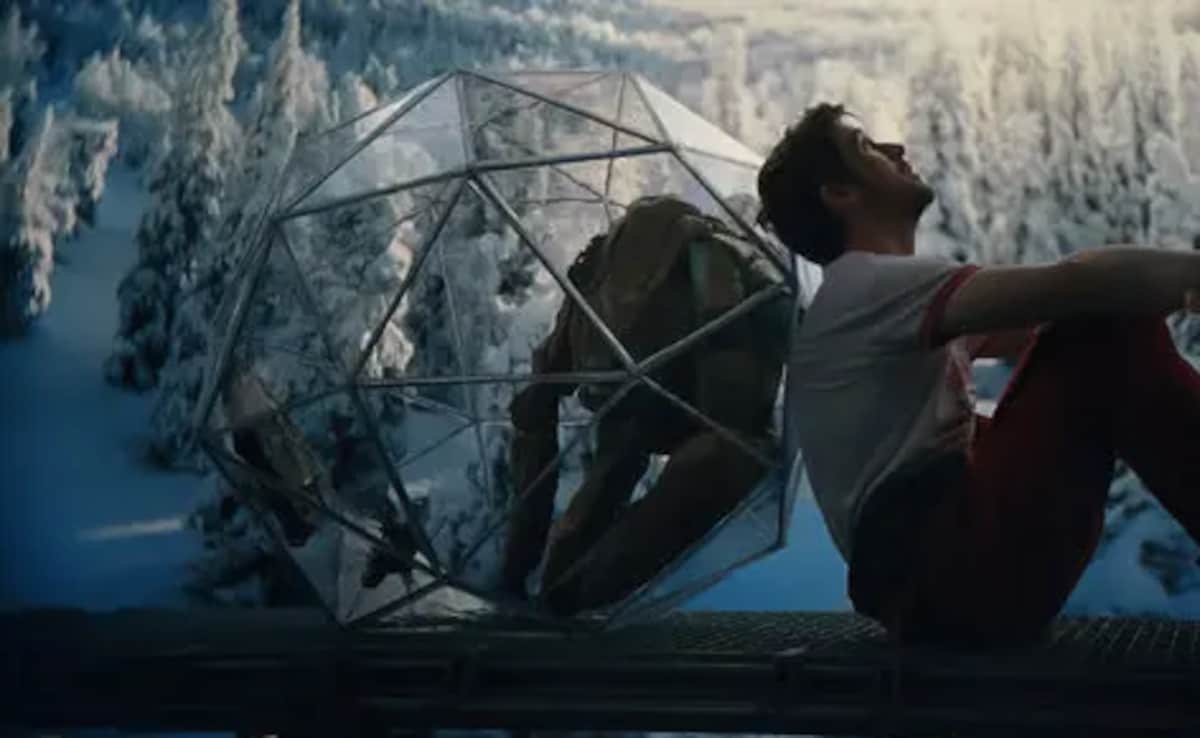
Rocky and Ryan Gosling in a still from Project Hail Mary.
His repeated phrases, his blunt honesty, his inability to grasp sarcasm, all of it feels disarmingly pure.
And then there’s his now-iconic catchphrase, “Amaze! Amaze! Amaze!”
It’s not just a line. It’s a feeling. A distilled expression of joy that audiences have wholeheartedly adopted.
Friendly Aliens We Loved Before
Rocky and Jaadu belong to a rare but cherished lineage of benevolent extraterrestrials in cinema.
In ET The Extra-Terrestrial, Steven Spielberg gave us perhaps the most iconic alien friendship of all time, a gentle being who just wanted to go home.
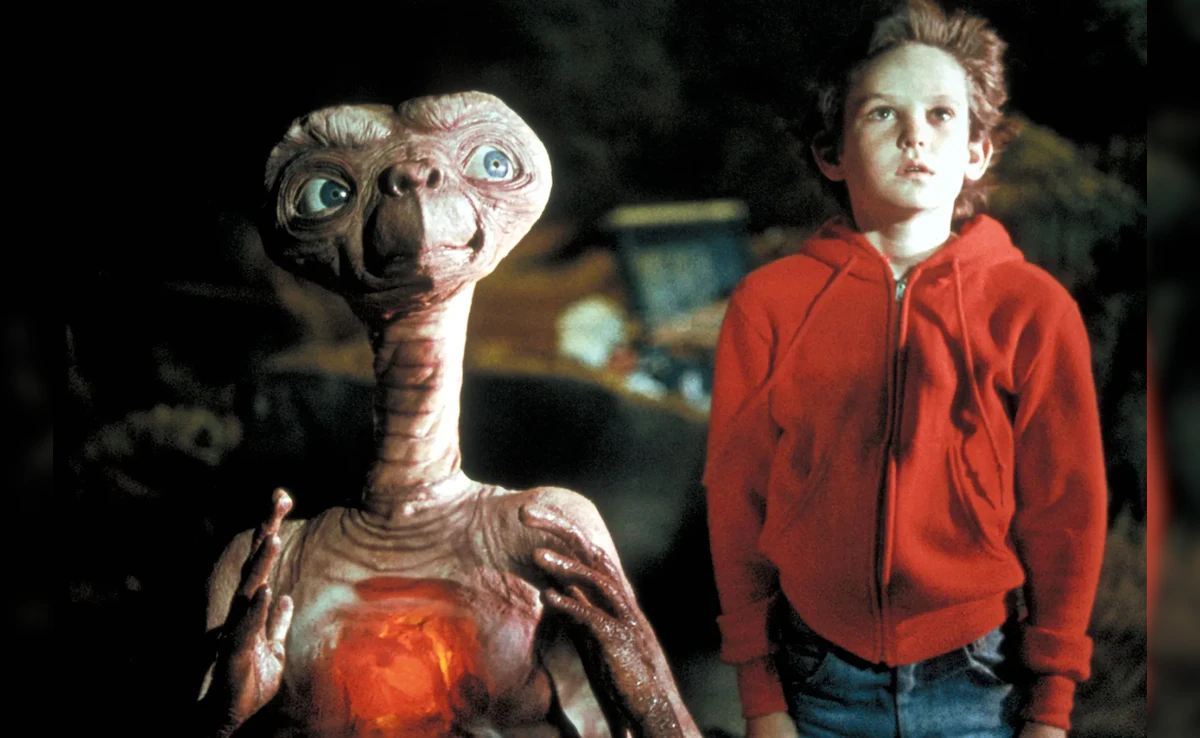
ET The Extra-Terrestrial was directed by Steven Spielberg.
In PK, an alien outsider used humour and innocence to question human systems and beliefs.
And in Ayalaan, Tattoo brought a mix of mischief, intelligence, and environmental awareness into the fold.
These characters share a common thread: they reflect humanity back at us. Not through superiority, but through simplicity.
The Other Side Of Aliens
Of course, for every Rocky or Jaadu, there are countless aliens designed to terrify.
The shapeshifting horror of The Thing thrives on paranoia, turning identity itself into a weapon. The sound-sensitive monsters of A Quiet Place transform silence into survival. The Predators hunt for sport. The Borg assimilate entire civilisations.
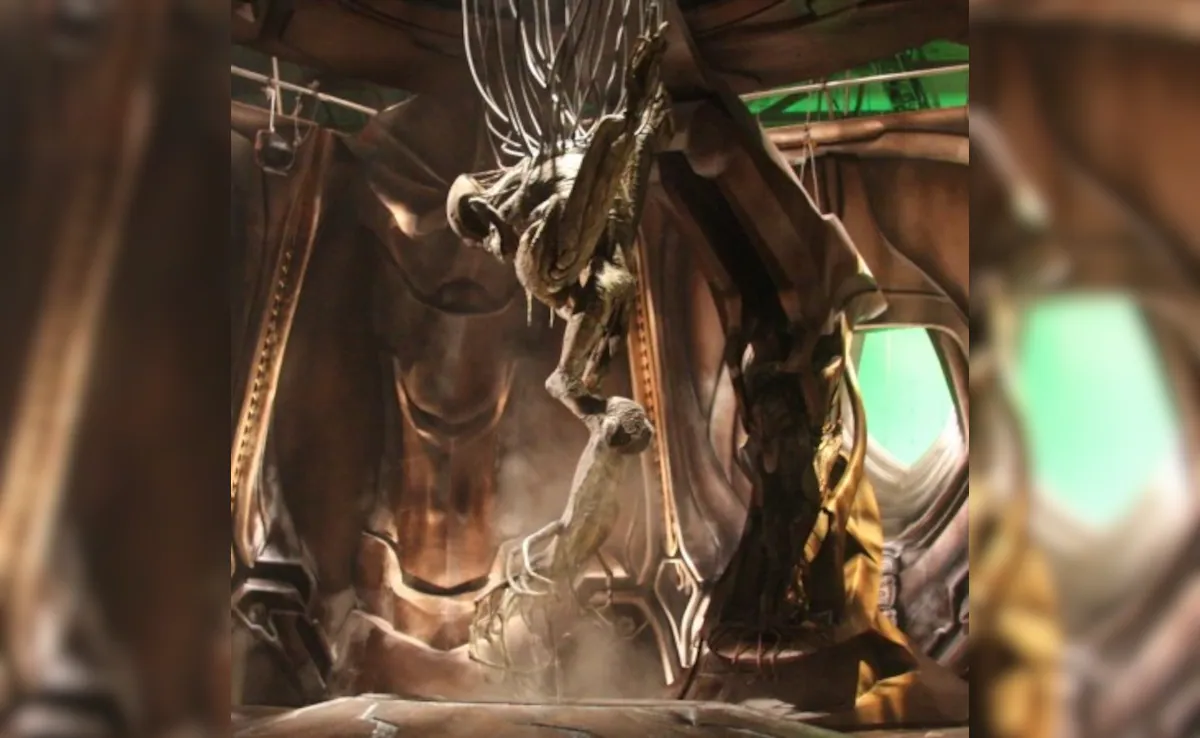
A still from The Thing.
These aliens are effective because they tap into primal fears: loss of control, invasion, and extinction.
But they rarely linger in the heart the way a friendly alien does.
Because fear fades. Affection doesn’t.
Ryan Gosling, Hrithik Roshan And The “Alien Friendship Club”
Perhaps the most delightful meta moment to come out of Rocky’s rise is the unexpected crossover between Hrithik Roshan and Ryan Gosling.
During a virtual interaction, Hrithik drew parallels between their films, noting how both stories use science fiction to explore loneliness and connection. When he described Jaadu as “like a child, full of wonder, magical, someone you just want to hug and protect,” Ryan responded with disarming honesty, he hadn’t seen the film yet, but he was eager to.
And then came the moment that delighted fans. Ryan said he’s jealous of Hrithik.
The two even joked about being part of an “exclusive space-alien friendship club,” with Ryan suggesting, “A shared universe – maybe a sequel.”
It’s a playful idea, but one rooted in something real: these stories, across industries and decades, are speaking the same emotional language.
Why We Needed Rocky (Again)
In a world and a genre so often driven by spectacle and stakes, Rocky and Jaadu remind us of something quieter but far more powerful.
Connection doesn’t need a shared language. Or a shared planet.
It just needs empathy.
Rocky may be the Internet’s latest obsession, but the reason he resonates so deeply is because we’ve felt this before. In a dimly lit room, watching a glowing alien wave goodbye. In a theatre, watching a boy run after a departing spaceship.
We’ve always made space for aliens like these.
And every time one returns, we fall for them all over again. Statement (IYKYK).
Amaze. Amaze. Amaze.