
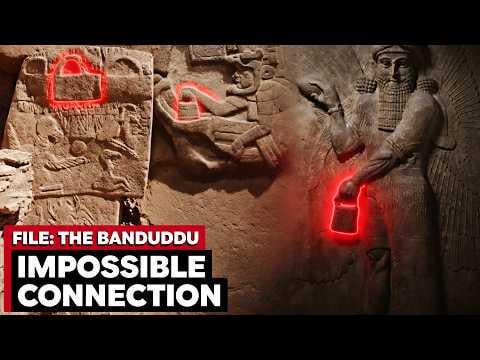
One of the weirder recurring symbols in prehistoric and ancient art is what looks exactly like a modern handbag (or bucket/purse with a T-shaped handle). It shows up carved into the 11,000+ year-old T-pillars at Göbekli Tepe in Turkey — on Pillar 43, among other places. The exact same motif appears in the hands of deities and kings in Assyrian and Sumerian reliefs (often called the bandudalu or ritual bucket, used in purification rites). It turns up again in Olmec/Mesoamerican carvings like La Venta Monument 19, and even in some Māori cultural artifacts from isolated New Zealand.
These cultures were separated by oceans and thousands of years with (as far as we know) zero direct contact. So why the identical visual? Mainstream archaeology offers explanations like ritual vessels for water/purification, schematic representations of buildings (at Göbekli Tepe), or symbolic containers of power/knowledge. Alternative views range from a shared symbolic archetype (maybe representing sacred wisdom or cosmic order passed down from a common Paleolithic source) to ideas of a lost global culture or even more speculative diffusion.
by No_Money_9404
2 Comments
No, OP, sometimes people just need to carry things. A bag is a really practical way of carrying things. They kind that people have been coming up with all over the world since the dawn of man.
Ancient alien happy meals.