
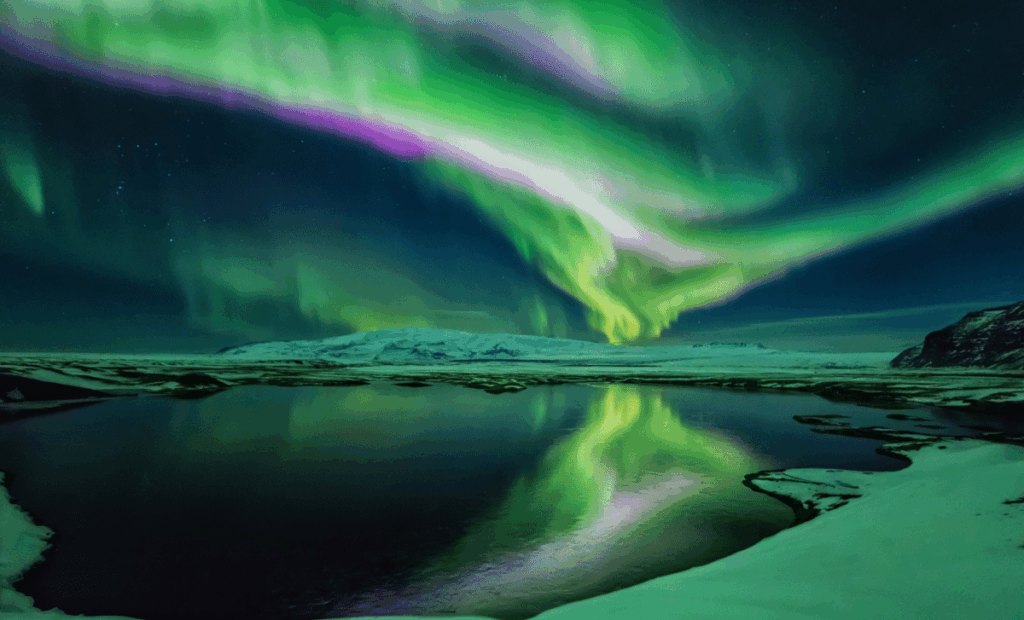
Get ready to witness one of nature’s most mesmerizing phenomena this weekend. The Northern Lights, or aurora borealis, are set to make a spectacular appearance in the night sky, thanks to a rare solar event. According to the National Oceanic and Atmospheric Administration (NOAA), a fresh stream of fast solar wind will sweep past Earth between March 28 and 29, 2026, stirring up geomagnetic activity. This event promises to increase the chances of spotting the auroras, especially in regions closer to the Arctic Circle. If the forecast holds, skywatchers could be treated to a brilliant light show in the northern skies.
The Science Behind the Northern Lights
The Northern Lights occur when charged particles from the Sun collide with gases in Earth’s atmosphere. This interaction releases energy in the form of light, creating stunning visual displays. These geomagnetic storms vary in intensity depending on solar activity. NOAA scientists have been closely monitoring solar winds, which are streams of charged particles from the Sun, to predict when and where the auroras will appear.
In the past, geomagnetic storms have been unpredictable, but NOAA’s advanced forecasting tools have allowed for more accurate predictions of aurora visibility. While the geomagnetic conditions for March 27, 2026, are expected to be relatively quiet, the real excitement starts on March 28th, when the solar wind intensifies and enhances the chances of aurora displays. This kind of solar wind, which moves at incredible speeds, has the potential to significantly increase geomagnetic activity, making it an ideal time for skywatchers in northern latitudes to catch a glimpse of the auroras.
When and Where to See the Northern Lights
As of now, the best chance of seeing the Northern Lights will be in regions that are located at higher latitudes. Areas near the Arctic Circle, including Alaska, northern Canada, and Scandinavia, are prime spots for witnessing this celestial event. However, if the geomagnetic activity is particularly strong, the auroras may be visible further south than usual, extending into places like the northern parts of the U.S. and Europe.
Timing is everything when it comes to catching the Northern Lights. While the aurora forecast is relatively calm on March 27th, the conditions are expected to shift late on March 28th into the night of March 29th. To optimize your chances, look for clear skies and dark locations free from light pollution. The darker the environment, the more vivid the auroras will appear.
Tips for Observing the Northern Lights
To make the most of this extraordinary event, it’s crucial to find the right spot to watch the auroras. Head to remote areas with little to no light pollution. The Northern Lights are most visible in the northern sky, so make sure you have a clear, unobstructed view of that direction.
In addition to a good location, it’s essential to stay updated on real-time space weather conditions. NOAA’s 30-minute aurora forecast provides up-to-date information on solar winds and geomagnetic activity, which can help pinpoint the best times to view the lights. There are also a variety of apps available that track solar wind and magnetic field changes, providing forecasts tailored for your location.