
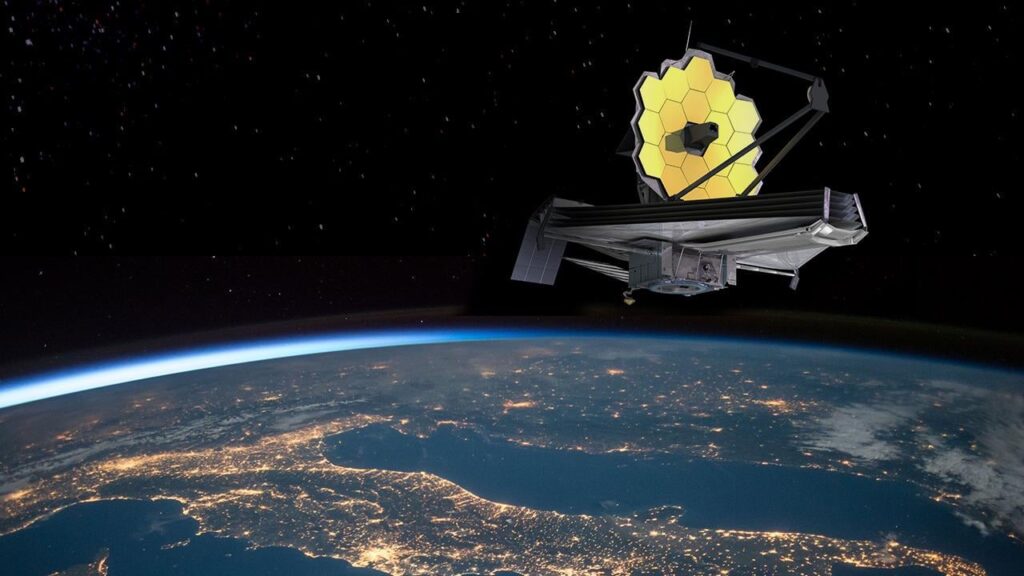
The audience took place at the Vatican, where Pope Leo XIV received dozens of young astronomy students and scholars participating in the monthlong summer school, held at the observatory’s headquarters in Castel Gandolfo, outside Rome.
The Pope drew a direct and deliberate contrast between what the biblical authors could perceive and what modern science now makes visible.
“The authors of sacred Scripture, writing so many centuries ago, did not have the benefit of this privilege,” he said.
“Yet their poetic and religious imagination pondered what the moment of creation must have been like.”
He quoted the Book of Baruch: “The stars shone in their watches and rejoiced; and their Creator called them and they said, ‘Here we are!’, shining with gladness for him who made them.”
Then he pivoted to the present.
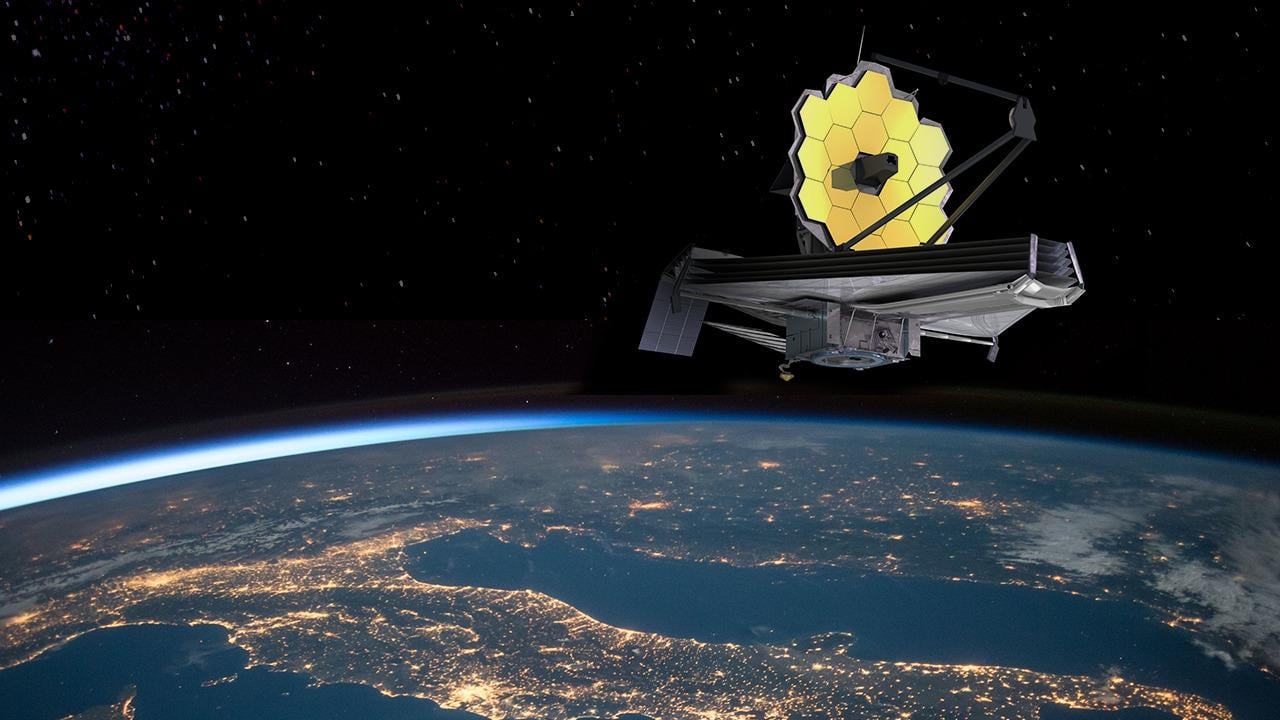
The Pope noted that the telescope enables scientists to examine exoplanet atmospheres where life might exist and observe nebulae where new planetary systems take shape.
“For the first time,” he said, “we are able to peer deeply into the atmosphere of exoplanets where life may be developing.”
by Shiny-Tie-126
2 Comments
He told the assembled scientists not to hesitate to share **the joy and amazement born of their contemplation of the “seeds” that, in the words of Saint Augustine, God has sown in the harmony of the universe**.
“The more joy you share, the more joy you create,” he said, “and in this way, through your pursuit of knowledge, each of you can contribute to building a more peaceful and just world.”
Oh so the miles of hidden information in the archives is worthless in regards to extraterrestrial life then? Hmm