
NASA is taking its next giant leap — not only to land on the moon, but to stay there. The agency unveiled plans Tuesday for a long-term lunar base as a way to establish a permanent human presence.“The moon base will not appear overnight,” NASA Administrator Jared Isaacman said. “We will invest approximately $20 billion over the next seven years and build it through dozens of missions.”As excitement grows, so do concerns closer to home in low Earth orbit, with the International Space Station (ISS) and the Gateway program. The ISS has been home to astronauts for more than two decades and is set to retire in 2030.“If we don’t build one, we’ll have no place for our astronauts to go in low Earth orbit,” research chemist Ken Kremer said. “Then you almost don’t need an astronaut corps, because you won’t be sending as many people to the moon, and there’s so much great science to be done in low Earth orbit.”There are plans for commercial space stations, but the transition is facing significant challenges. Isaacman said Tuesday that NASA lacks the funding to fully support them and is instead shifting toward moon and Mars missions.Kremer supports the move toward a moon base but said he is worried about the future of the ISS.“We don’t have a plan right now,” Kremer said. “They have proposals, but they don’t have a plan and they don’t have a budget.”Ultimately, only time will tell the next steps for the future of human spaceflight and NASA’s funding.
FLORIDA —
NASA is taking its next giant leap — not only to land on the moon, but to stay there. The agency unveiled plans Tuesday for a long-term lunar base as a way to establish a permanent human presence.
“The moon base will not appear overnight,” NASA Administrator Jared Isaacman said. “We will invest approximately $20 billion over the next seven years and build it through dozens of missions.”
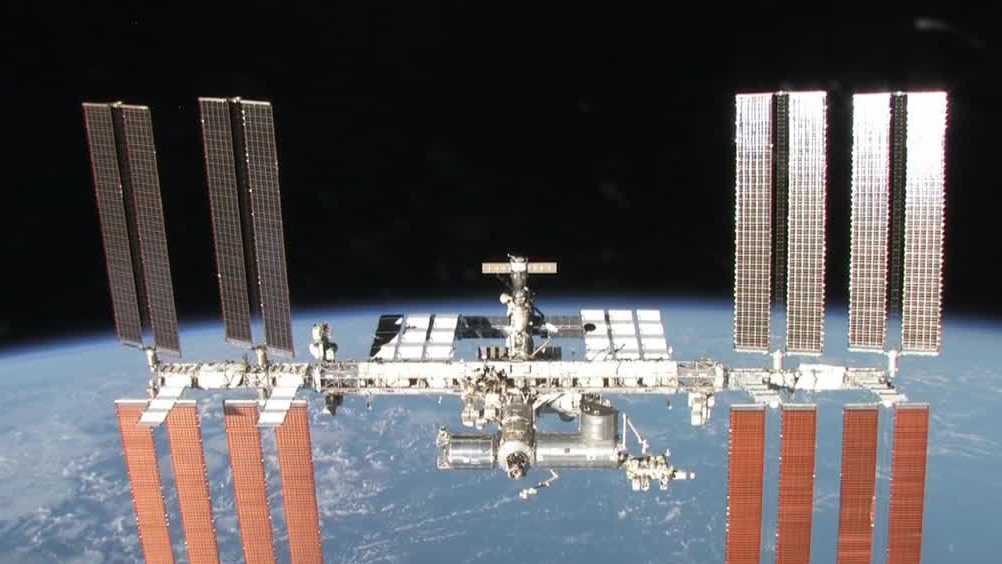
As excitement grows, so do concerns closer to home in low Earth orbit, with the International Space Station (ISS) and the Gateway program. The ISS has been home to astronauts for more than two decades and is set to retire in 2030.
“If we don’t build one, we’ll have no place for our astronauts to go in low Earth orbit,” research chemist Ken Kremer said. “Then you almost don’t need an astronaut corps, because you won’t be sending as many people to the moon, and there’s so much great science to be done in low Earth orbit.”
There are plans for commercial space stations, but the transition is facing significant challenges. Isaacman said Tuesday that NASA lacks the funding to fully support them and is instead shifting toward moon and Mars missions.
Kremer supports the move toward a moon base but said he is worried about the future of the ISS.
“We don’t have a plan right now,” Kremer said. “They have proposals, but they don’t have a plan and they don’t have a budget.”
Ultimately, only time will tell the next steps for the future of human spaceflight and NASA’s funding.