
NASA/Josh Valcarcel
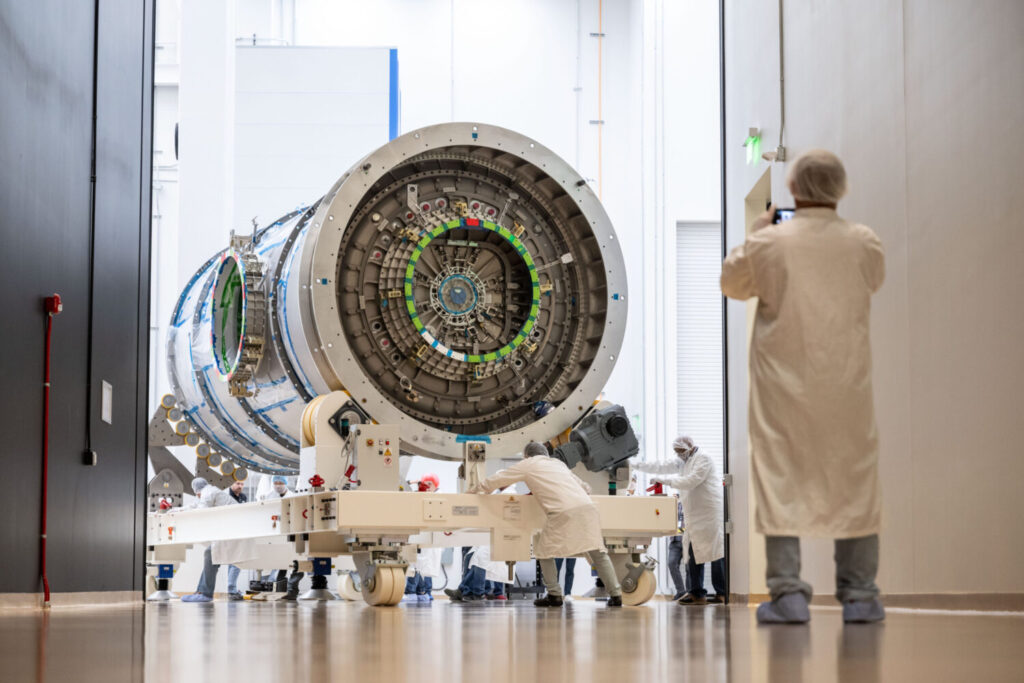
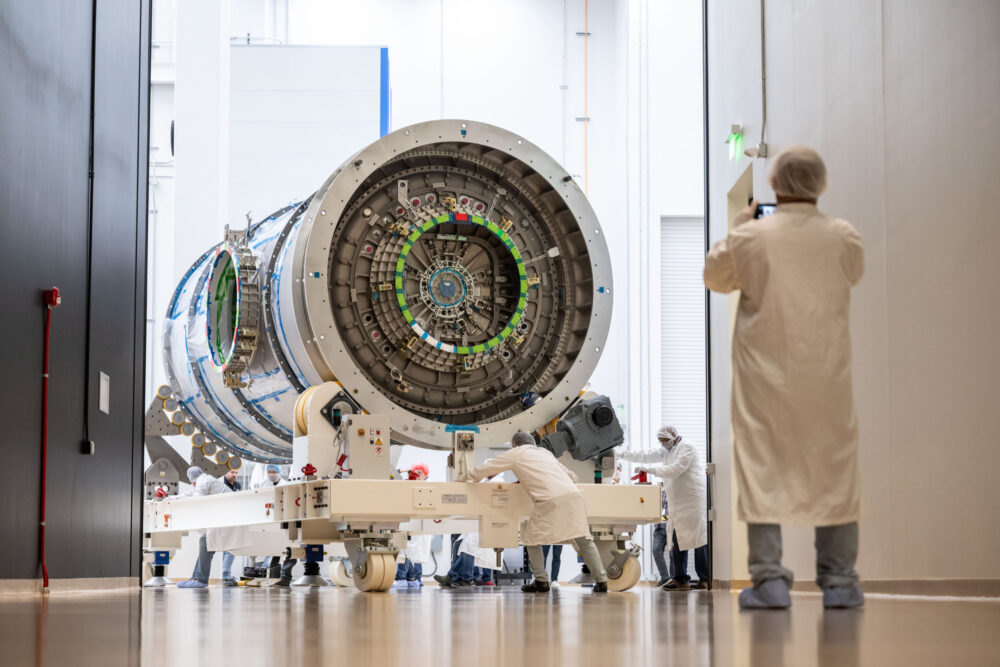
At Northrop Grumman’s Gilbert, Arizona, facility, teams transport Gateway’s HALO in April 2025. HALO would have been part of the Gateway space station, which NASA paused in March 2026.
NASA is pausing development of a lunar space station and will instead repurpose much of its equipment and develop a permanent lunar base, the federal agency announced on Tuesday.
The Gateway space station would have been the first space station around the Earth’s moon and would have been something of a living area for astronauts on lunar missions as well as potentially a stopping point for astronauts on their way to Mars.
“The moon base will not appear overnight,” NASA Administrator Jared Isaacman said at an event Tuesday. “We will invest approximately $20 billion over the next seven years and build it through dozens of missions, working together with commercial and international partners towards a deliberate and achievable plan.”
Sign up for the Hello, Houston! daily newsletter to get local reports like this delivered directly to your inbox.
RELATED: NASA could launch Artemis II to the moon next week. Here’s what to know
NASA said the development of a new lunar base will come in three waves. First, the space administration plans to increase its presence on the moon with more frequent missions and testing on the lunar surface. Second, crews will begin to develop temporary infrastructure and operations on the moon. Finally, as more cargo-capable lunar landers become available, NASA will begin development of a permanent lunar base that would include tools and assets from several international partners, including Canada, Italy and Japan.
Isaacman, who was confirmed into the role in December, has spent much of his term overhauling NASA operations with the expressed goal of building up the space agency’s own toolbelt to be less dependent on outside contractors, along with ramping up its work to include more frequent launches.
Among other plans highlighted on Tuesday, NASA announced it will launch a nuclear-powered spacecraft called Space Reactor-1 Freedom, in part to test nuclear electric capabilities in space.
The United States is in the midst of something of a 21st century space race, with the goal of returning to the moon before China. It’s possible China will be first to land humans on the moon once again, though American officials have placed their emphasis on the goal of creating permanent lunar infrastructure.
“The outcomes became less important, skills atrophied, and now we find ourselves with a real geopolitical rival challenging American leadership in the high ground of space,” Isaacman said. “NASA has stated we will return Americans to the moon before the end of Trump’s term [in early 2029]. Our great competitor said before 2030. The difference between success and failure will be measured in months, not years. They may be early, and recent history suggests we might be late.”