
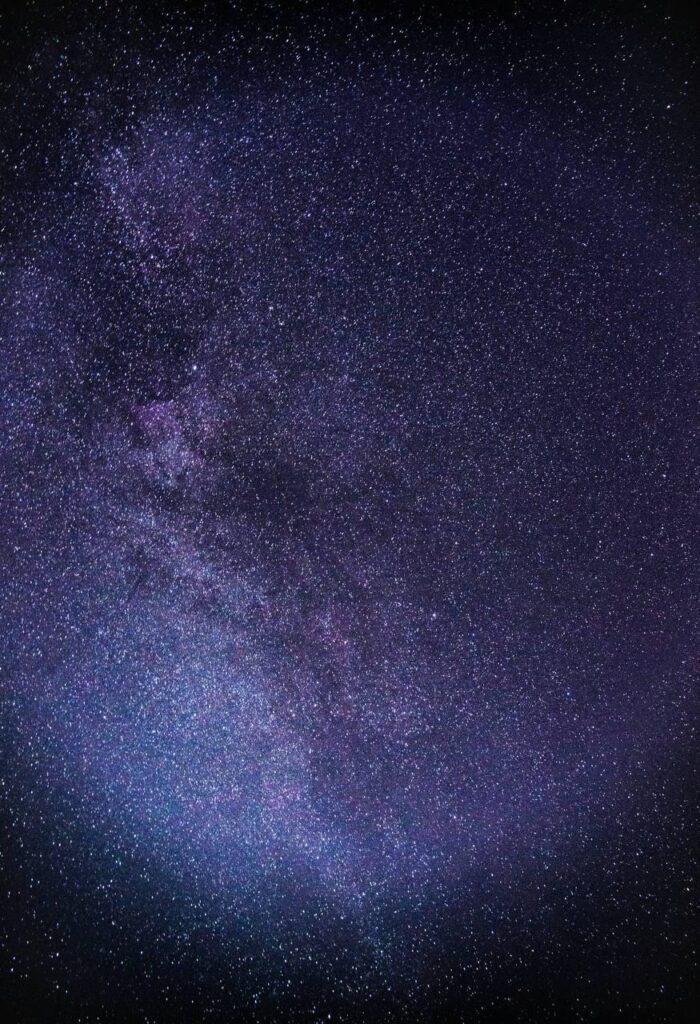
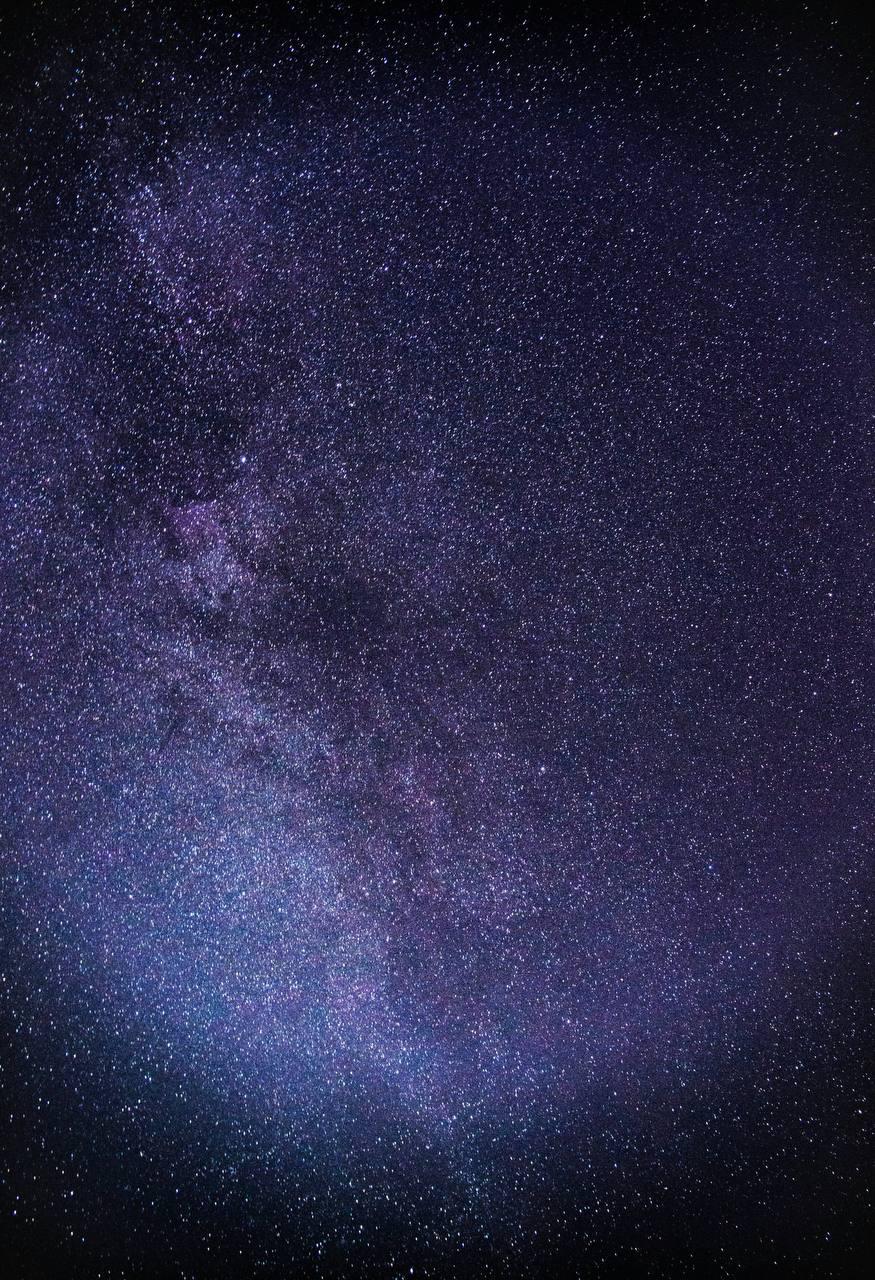
Location: Bortle 2-3 area (away from city lights).
Process: Single exposure shot. The goal was to capture the density of the galactic core without too much post-processing.
Equipment: Basic tripod and a DSLR camera with a wide-angle lens.
Thought: I’m still learning how to balance the highlights in the core. If any experienced astrophotographers have tips on reducing star bloating while keeping the nebula detail, I’d love to hear them!
by Luna_Night_Shift
5 Comments
This was a 30-second exposure in a relatively dark area. It’s fascinating to see the magenta and dust lanes in the core so clearly. Does anyone know why our night vision is so limited compared to even a basic camera sensor when it comes to the galactic center??
Because when the camera catches the light it holds onto it and keeps adding to the overall picture
Our eyes light detection is based on organic chemistry. One reaction to process a photon and it has to refresh itself before it can handle another
The perception part of our brain doesn’t aggregate incoming info like a painting. Its more like a frame by frame movie
Our vision is actually incredibly monochromatic, only a tiny patch in the middle can see colour, the brain does a lot of fill in the blanks and is actually incredibly motion sensitive as well, ever stared at a ceiling or a wall and the tile lines start disappearing? that is your brain removing uninteresting things from your vision. See troxlers effect.
You’ve answered your own question) it happens because camera shutter/sensor can be set to long exposure, merging fotons coming from target for a 5-10-30 etc seconds into one total picture. Our eyes-brain system can’t do that, because it was evolved, not designed. It is our primary sensoric system, the faster it works – the better adoption to environment: survive, detect predators and food, etc.
So it took 30 seconds to see that much light, we never had the need to evolve sitting exactly still for 30 seconds and accumulating all the light. Also, think about how much harder it is to tell color in dim light vs the same object during the daytime. Same thing here, if the milky way was as bright as the sun, we’d see those colors.