
Applications
23/03/2026
1 views
0 likes
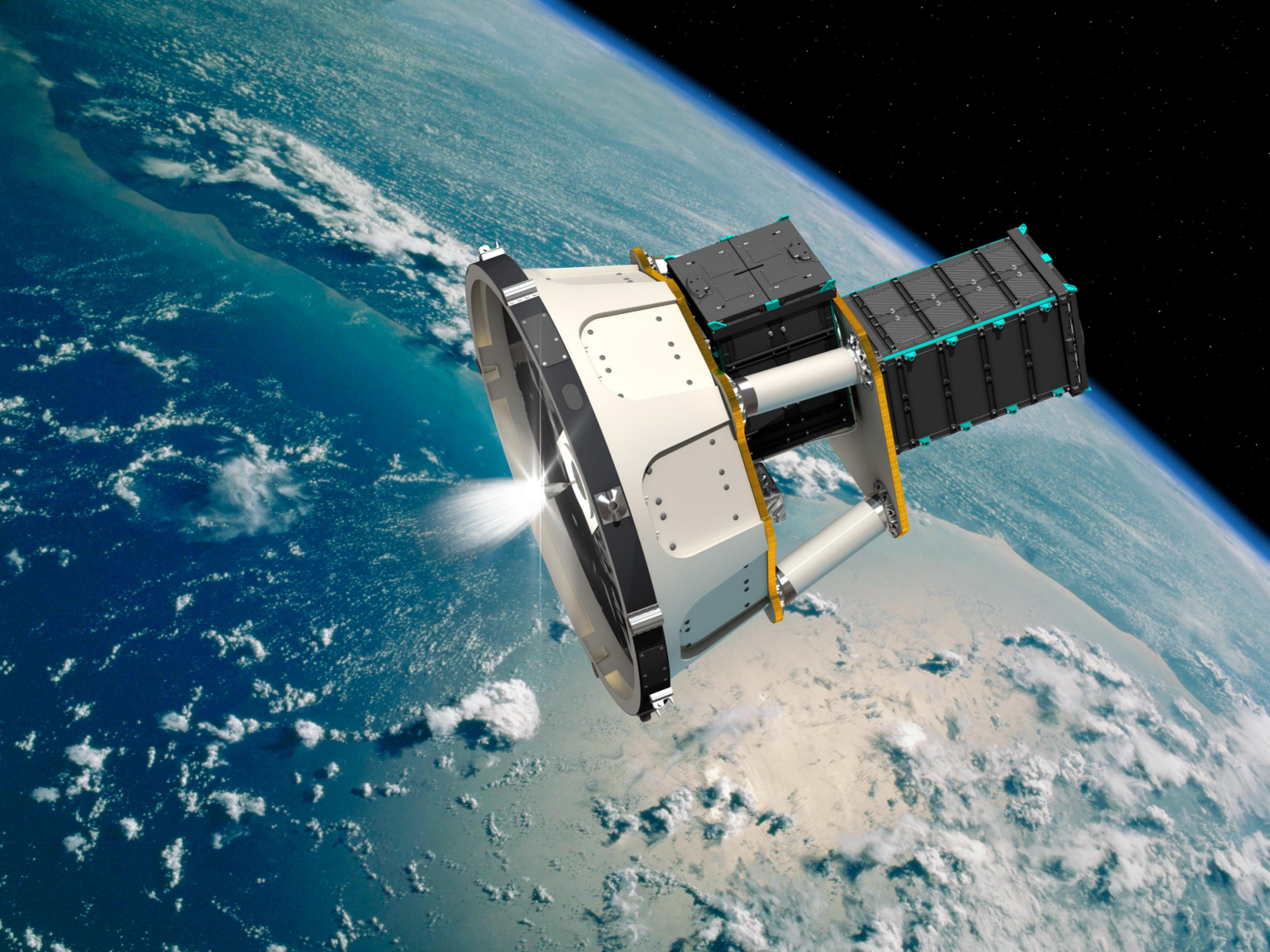
On 25 March, the first two satellites of the Celeste LEO-PNT in-orbit demonstration mission will lift off aboard Rocket Lab’s Electron rocket from the company’s Māhia Launch Complex in New Zealand.
Coverage will start 9:53 CET with live commentary. The rocket is scheduled for liftoff at 10:14, with a launch window of about an hour.
Celeste will play a pioneering role in elevating the future of Europe’s satellite navigation capabilities. As Europe’s first initiative for satellite navigation in low Earth orbit (LEO), the mission will be testing next-generation technologies and add new frequency bands for satellite navigation.
Celeste will demonstrate how a complementary layer flying closer to Earth can enhance Europe’s current Galileo system in medium Earth orbit (MEO), boosting the overall resilience, enhancing its performance and opening opportunities for new service capabilities directly from LEO.
Watch the Celeste launch live on ESA WebTV or ESA YouTube.
Programme (all times in CET)
09:53 Broadcast begins
10:14 Liftoff
10:16 First stage separation
10:23 Second stage separation
11:04 Payload 1 deployment.
11:08 Payload 1 deployment.
11:09 Broadcast ends
Live from the Munich Space Summit
If you are attending the Munich Space Summit, the launch will be streamed. The programme is available here: https://www.munich-space-summit.org/programme/
About Celeste
The Celeste mission is ESA’s initiative for LEO-PNT (Low Earth Orbit Positioning Navigation and Timing) and is currently in its in-orbit demonstration phase. This first phase features a demonstration constellation of 11 satellites that will fly in low Earth orbit to test innovative signals across various frequency bands. Its goal is to advance satellite navigation concepts for resilient positioning and timing services.
The Celeste in-orbit demonstration phase was approved at ESA’s Council at Ministerial Level of 2022. The fleet is being developed through two parallel contracts respectively led by GMV (ES) with OHB (DE) as core partner, and by Thales Alenia Space (FR) as prime and Thales Alenia Space (IT) as space segment responsible. The two consortia involve over 50 entities from more than 14 countries.
Celeste was further supported in ESA’s Council at Ministerial Level of 2025 (CM25), towards the implementation of the next phase: the LEO-PNT In-Orbit Preparatory phase.
Celeste also contributes to one of the three core pillars of ESA’s new European Resilience from Space (ERS) initiative, endorsed at CM25. ERS addresses critical security and resilience needs for Member States while laying the groundwork for future European strategic space capabilities.
Like