
Asteroids can strike from any direction, but it is impossible to keep an eye on the entire sky… or is it?
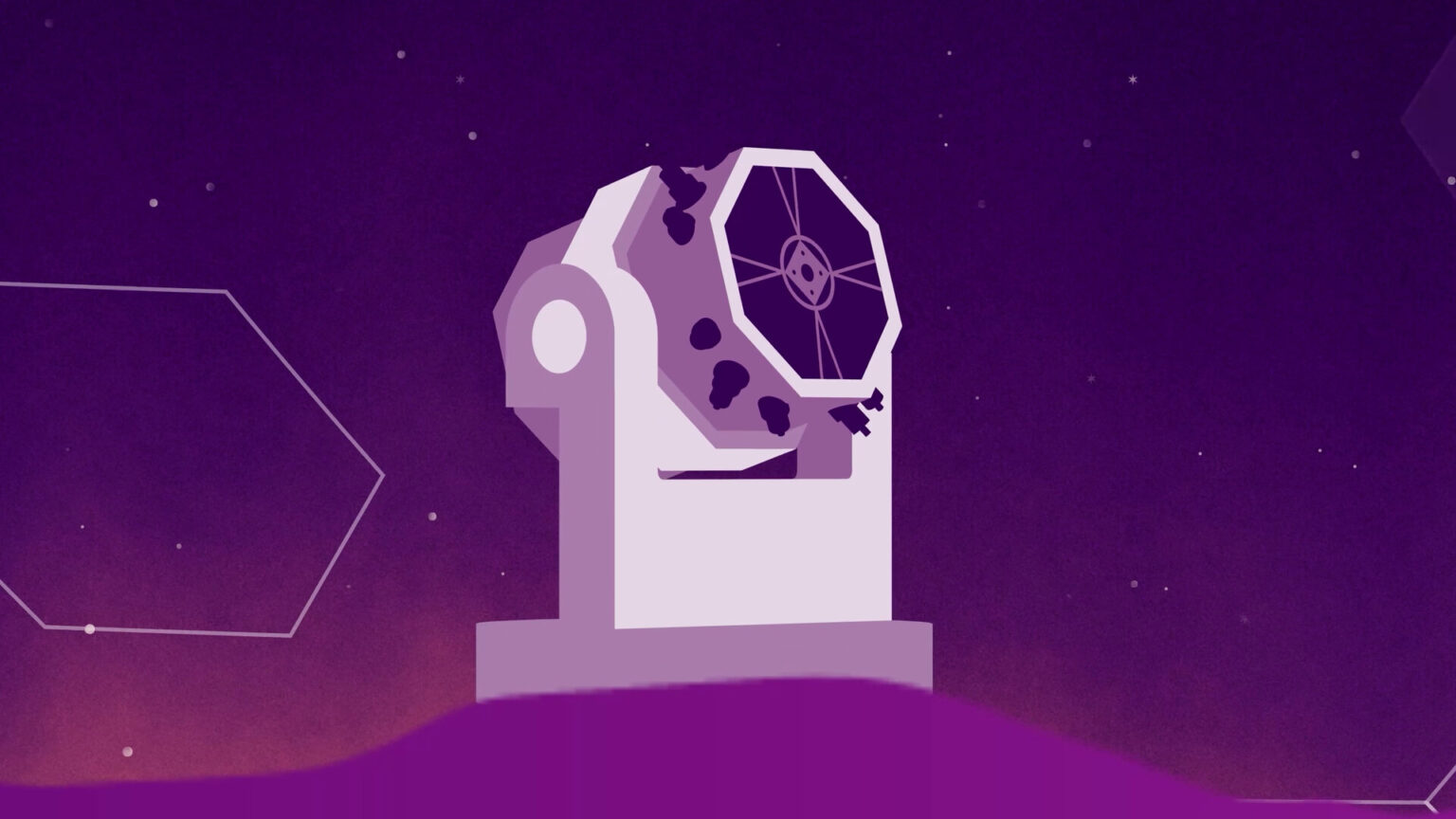
As part of the global effort to detect potentially hazardous asteroids and comets, ESA is developing a series of automated telescopes to scan the sky each night.
The ‘Flyeye’ telescopes take inspiration, and their name, from the large compound eye of an insect, which has evolved over millions of years to detect motion – and therefore potential danger – from almost any direction.
With their unique design, the Flyeye telescopes can capture a region of the night sky that is over 200 times as large as the full Moon in a single image, while maintaining the high image quality needed to detect the motion of even very faint objects.
ESA’s Space Safety programme plans to deploy a network of ‘Flyeye’ telescopes around the world that will work together to carry out nightly sky surveys and automatically identify possible new Near-Earth Objects (NEOs) – especially any that could impact our planet.
These discoveries will be confirmed by ESA’s astronomers before being submitted to the Minor Planet Center, the global sorting house for asteroid observations. From there, the newly discovered objects will trigger follow-up observations and, if necessary, a planetary defence response.
Embed code