
ESA selected five new career astronauts in 2022. Four years on, only two have secured a long-duration mission to the International Space Station. Sophie Adenot is already up there. Raphaël Liégeois has an assignment in the pipeline. The other three are still waiting, and the station comes down in 2030 (maybe – U.S. senators have brought up the possibility of funding the ISS through 2032). That deadline is now driving ESA policy.
Europe Stops Waiting and Buys a Rocket
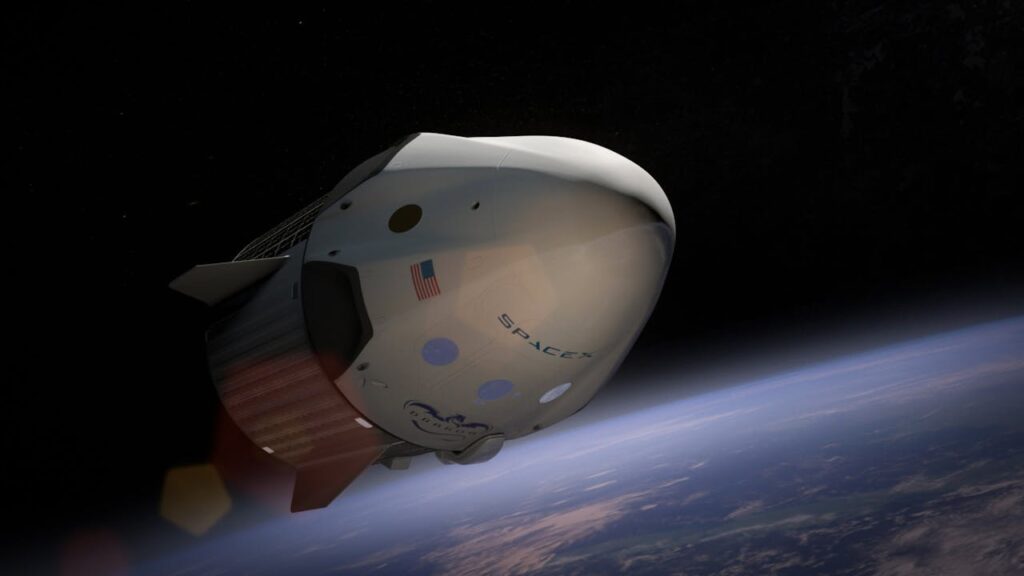
On 19 March, at the 345th ESA Council meeting in Interlaken, Switzerland, Director General Josef Aschbacher announced that member states had approved a plan to purchase a dedicated SpaceX Crew Dragon flight to the station. ESA is calling the mission EPIC: ESA Provided Institutional Crew, with a launch targeted for the first quarter of 2028.
“We have five career astronauts that I intend to fly in the next few years,” Aschbacher said at a press briefing after the council meeting, “and EPIC is one way of making sure that these career astronauts can go to the space station.”
Longer, Harder, More Hands-On
EPIC will look nothing like the short private astronaut missions ESA has used before. Those flights lasted about two weeks on average. ESA is targeting roughly a month on orbit for EPIC.
The workload will also be substantially different. Private astronauts typically arrive with a fixed experiment list and little else. By contrast, ESA crew on EPIC will carry out system maintenance and repairs alongside their science programme, making it far closer to a standard expedition role than a guest visit.
Who Else Is Coming?
Aschbacher confirmed that ESA plans to run EPIC with international partners alongside its own astronauts, but did not name them or say how many seats they might receive. NASA will be closely involved, though ESA will lead and fully operate the mission.
 Published by Kerry Harrison
Kerry’s been writing professionally for over 14 years, after graduating with a First Class Honours Degree in Multimedia Journalism from Canterbury Christ Church University. She joined Orbital Today in 2022. She covers everything from UK launch updates to how the wider space ecosystem is evolving. She enjoys digging into the detail and explaining complex topics in a way that feels straightforward. Before writing about space, Kerry spent years working with cybersecurity companies. She’s written a lot about threat intelligence, data protection, and how cyber and space are increasingly overlapping, whether that’s satellite security or national defence. With a strong background in tech writing, she’s used to making tricky, technical subjects more approachable. That mix of innovation, complexity, and real-world impact is what keeps her interested in the space sector.