
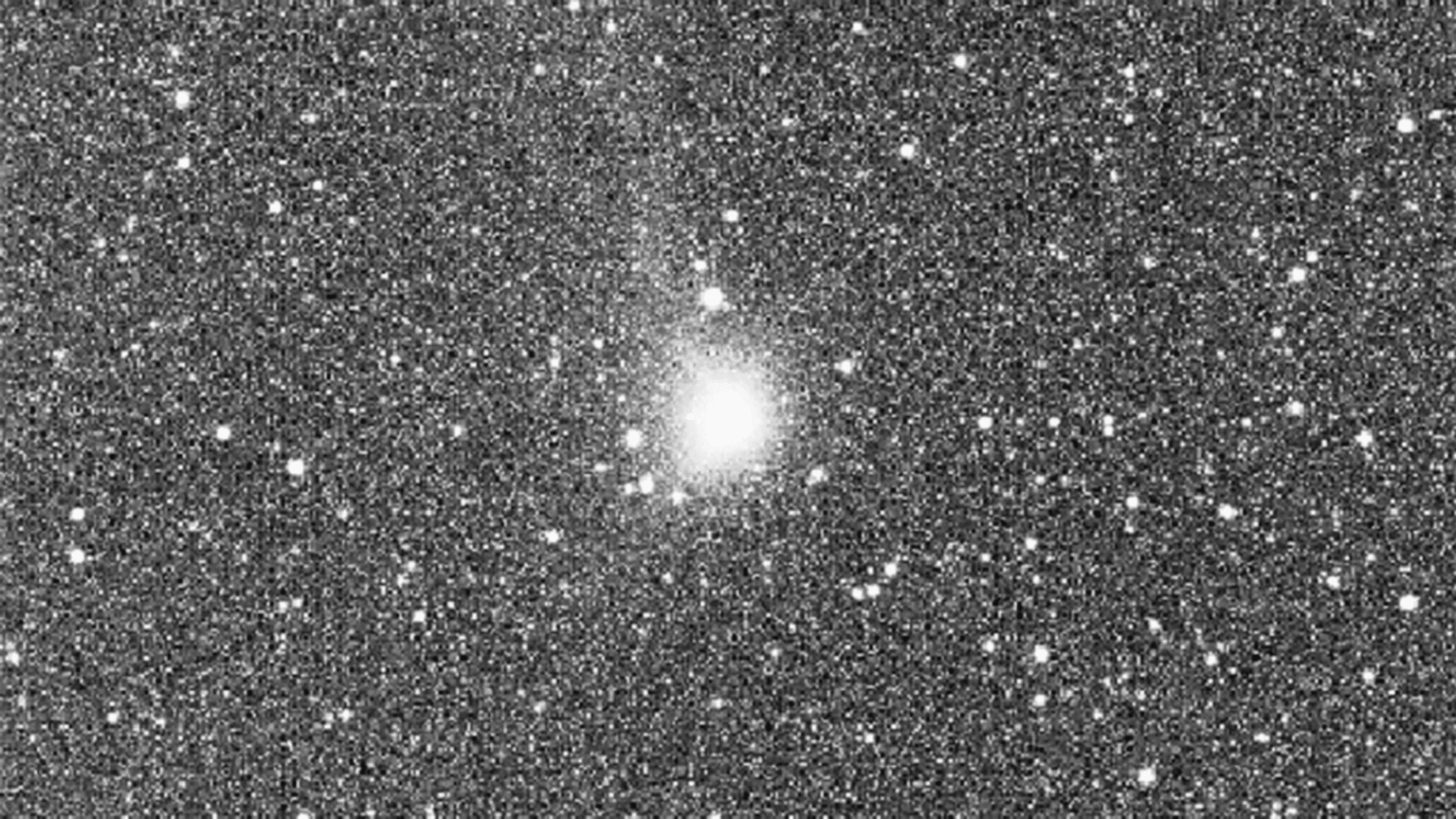
An interstellar object called 3I/ATLAS, which has been heavily monitored by astronomers for some time now, may be older than previously thought based on a recent Jupiter flyby.
3I/ATLAS Makes Close Jupiter Flyby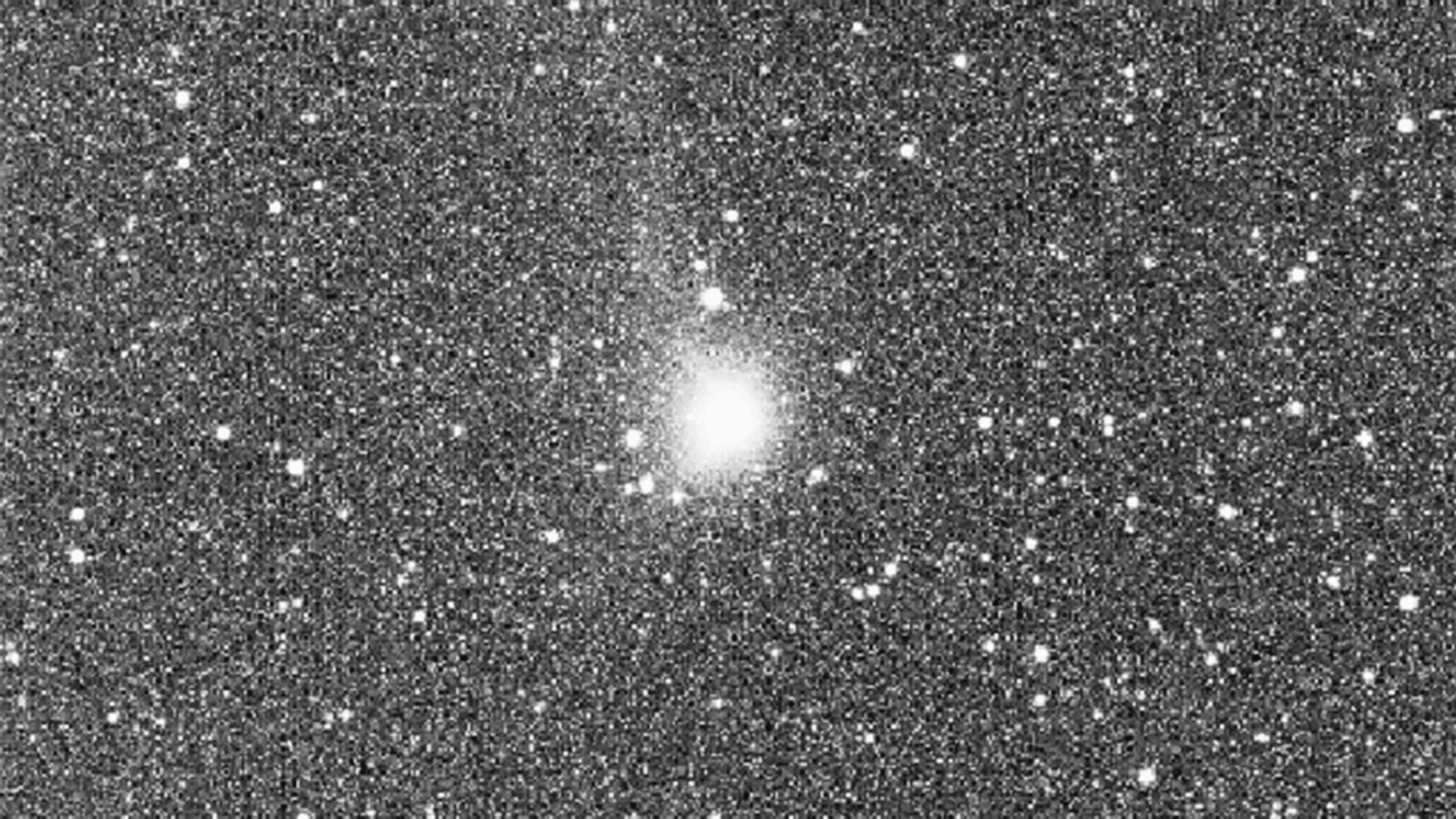 Interstellar comet 3I/ATLAS imaged by ESA’s Jupiter Icy Moons Explorer; Photo: ESA/Juice/NavCam
An analysis of the chemical composition of the object may have also yielded key information regarding the location of its home system and early Milky Way activity. The object was first detected last year by the Asteroid Terrestrial-impact Last Alert System (ATLAS).
Researchers believe that the object, which is the third interstellar object we’ve ever detected passing through our Solar System, is an interstellar comet. The comet has been moving through the solar system, making close flybys to Mars, Earth, and, most recently, Jupiter.
The object passed the gas giant at a distance of approximately 0.35832 astronomical units (AU). To put this into perspective, 1 AU is the average distance between the Earth and the Sun.
Though researchers are still analyzing some of the data collected from this flyby, a new team published a study analyzing the object’s composition in an attempt to determine its origins. Though the team speculates that the comet may have come from the thick disk or thin disk of the galaxy, they hope to gain more definitive answers using spectral imaging observations from the James Webb Telescope.
When observing 3I/ATLAS, the team discovered an elemental composition “unlike any Solar System body” we have studied thus far, or any in our cosmic neighborhood. The findings suggest that the comet is approximately 10-12 billion years old and formed in a carbon- and oxygen-rich system with moderately high metallicity.
“Tracing the orbital trajectory back more than ∼ 10 Myr is difficult due to unpredictable (chaotic) gravitational interactions within the inhomogeneous Galactic environment,” the team explains in their paper, which has yet to be peer reviewed. “Additional, [sic] isotopic information will help illuminate 3I/ATLAS’s origin, leading to a better appreciation of how it can fit into, and help improve our understanding of, the processes of planet formation and Galactic chemical evolution.”
The paper is posted to the pre-print server arXiv.