
STMD Flight Opportunities
A flight testing success story
Wifi in Low Earth Orbit Advanced via Multi-Vehicle Flight Tests
In-space wifi technology matured through NASA’s Flight Opportunities program will be demonstrated on an upcoming commercial orbital flight, illustrating how suborbital flight testing advances technology readiness for space missions.
Communications in space are critical for a wide range of NASA and commercial missions, including crewed space stations and lunar exploration such as Artemis. Advanced relay and wifi in space are required to facilitate two-way, crew-to-ground communications as well as inter-spacecraft data transmission.
To meet the need for these communications, Solstar Space Company in Santa Fe, New Mexico, developed satellite communications designed to use commercial satellite networks in providing internet and voice communications for people and payloads in space — essentially in-space wifi. With support from Flight Opportunities, Solstar tested its technology on four suborbital flights — aboard a high-altitude balloon, a sounding rocket, and a suborbital launch vehicle.
These flight tests helped Solstar demonstrate and advance its wifi technology for implementation on space missions and led to further research efforts:
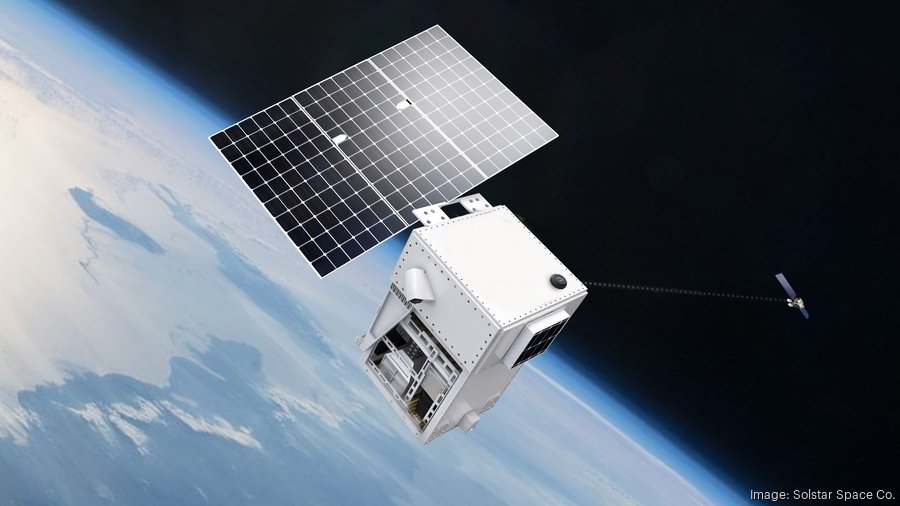
Solstar is working with Momentus Space to demonstrate the Deke Space Communicator, a narrowband intelligent data relay and wifi hotspot. Its first orbital flight is scheduled for 2026.
Solstar has received SBIR (Small Business Innovation Research) contracts to develop space-based relays and lunar wifi for the U.S. Space Force and a next-generation lunar wifi access point for NASA.
Learn more about these transitions | Read about the flight testing | Additional information
Technology transitions
Wifi in Low Earth Orbit
Research to Aid In-Space Operations and Lunar Missions
Wifi in Low Earth Orbit
In 2025, Solstar began working with Momentus Space to demonstrate its narrowband intelligent data relay (called the Deke Space Communicator) and wifi hotspot. The Solstar Deke Space Communicator, with its onboard wifi capabilities, is uniquely positioned to provide connectivity for space communications on future Momentus launches. The system will fly to low Earth orbit aboard the Momentus Vigoride orbital service vehicle to provide narrowband internet connectivity and local in-space wifi for payloads aboard the spacecraft during a flight scheduled for launch in 2026. The companies have also signed a reciprocal services agreement to combine Solstar communications expertise with Momentus products and services related to launch, logistics, payload deployment, and on-orbit services.
Research to Aid In-Space Operations and Lunar Missions
In 2024, AFWERX (the innovation arm of the Department of the Air Force and powered by the Air Force Research Laboratory) awarded Solstar SBIR contracts to further develop its space-based relays and lunar wifi to address U.S. Space Force needs for rendezvous, proximity operations, and docking to support in-space servicing, assembly, and manufacturing and other applications in low Earth orbit and beyond.
In 2025, NASA awarded Solstar a Phase I SBIR contract to develop a next-generation lunar wifi access point, which could benefit the agency’s Artemis program and Commercial Lunar Payload Services (CLPS) initiatives.
Advancing the Technology through Flight Testing
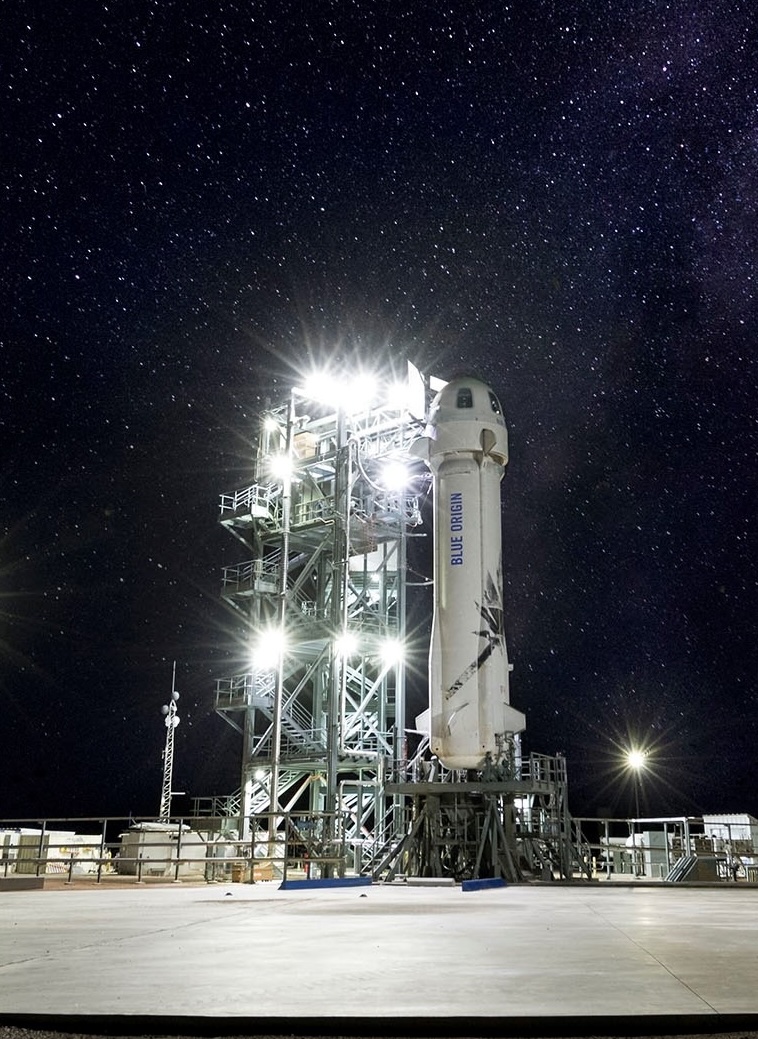
To demonstrate and mature voice and data communications services and equipment in the space environment, at altitudes exceeding 100 km (approximately 62 miles), and at rocket velocities, Solstar tested its technology on four Flight Opportunities suborbital campaigns aboard three commercial vehicles. These flight tests enabled Solstar to confirm that commercial satellite networks can be used to provide internet and voice communications for people and payloads in space. During the April 2018 flight test, Solstar successfully demonstrated the first-ever commercial wifi service in space by sending out a social media post from above the Kármán line.
Sep. 26, 2013
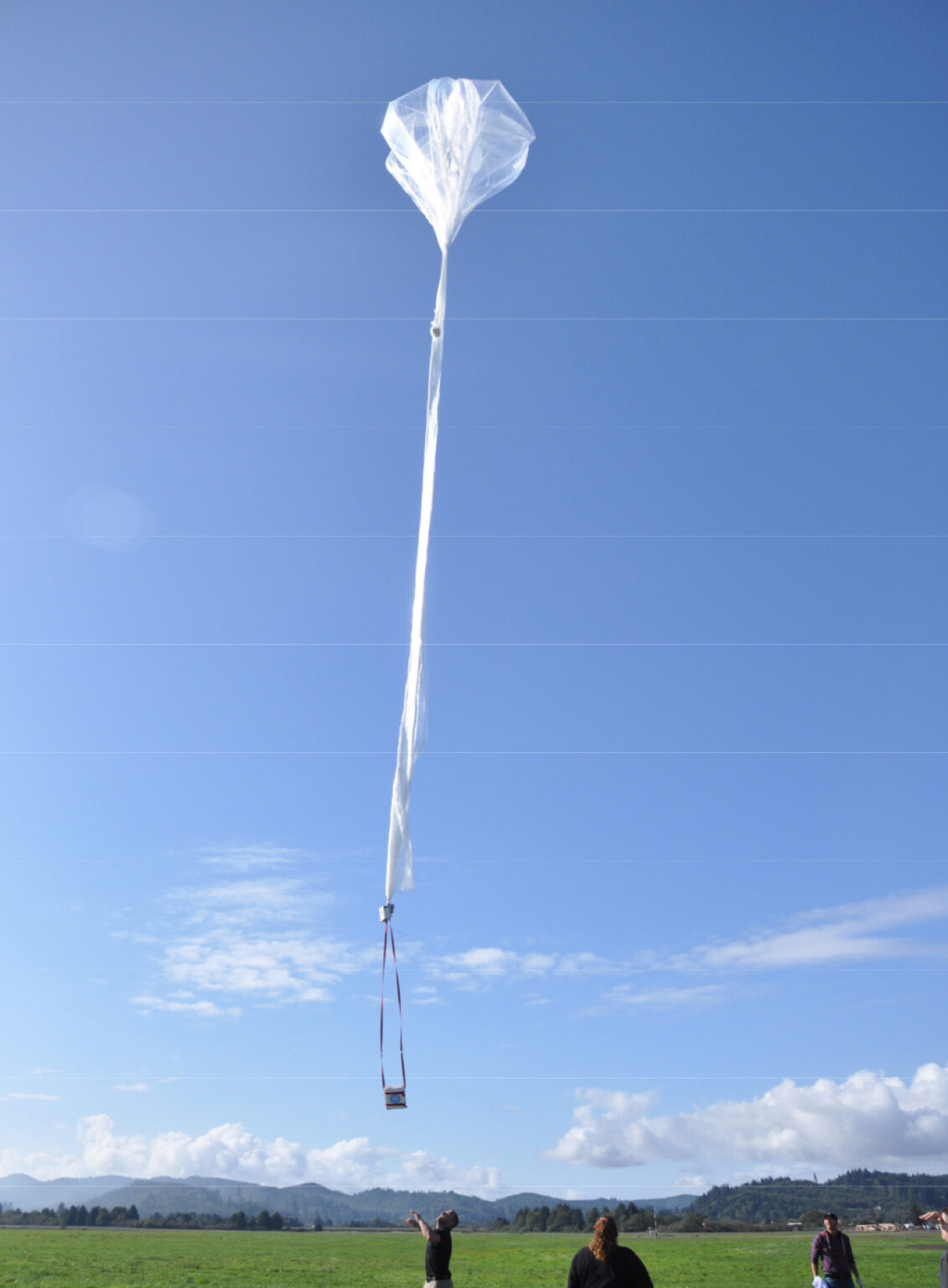
A high-altitude balloon from Aerostar (previously Near Space Corp.) in Tillamook, OregonNov. 12, 2013
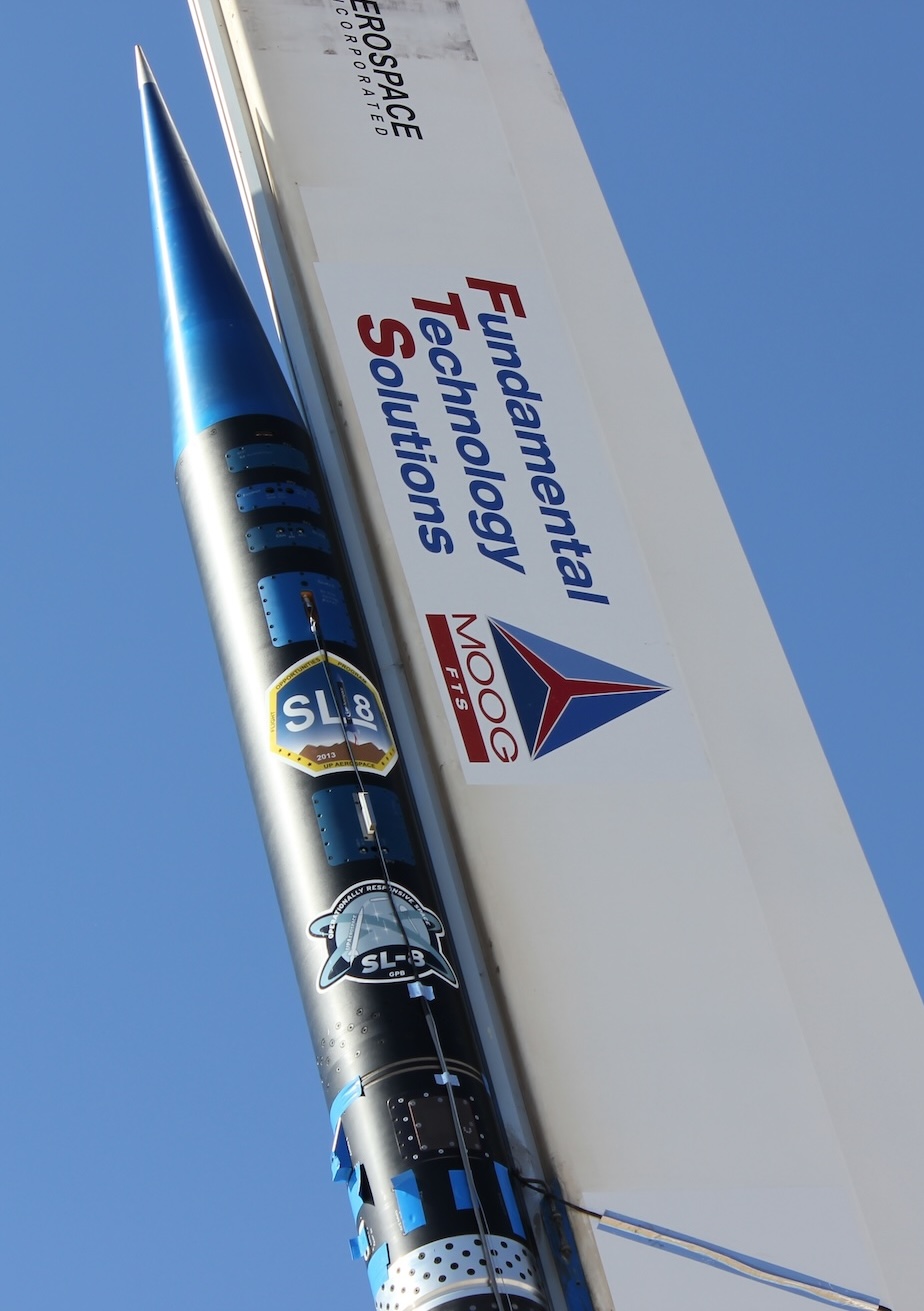
A sounding rocket from UP Aerospace based in Denver, ColoradoApril 29 and July 18, 2018
The New Shepard reusable suborbital rocket system from Blue Origin based in Kent, Washington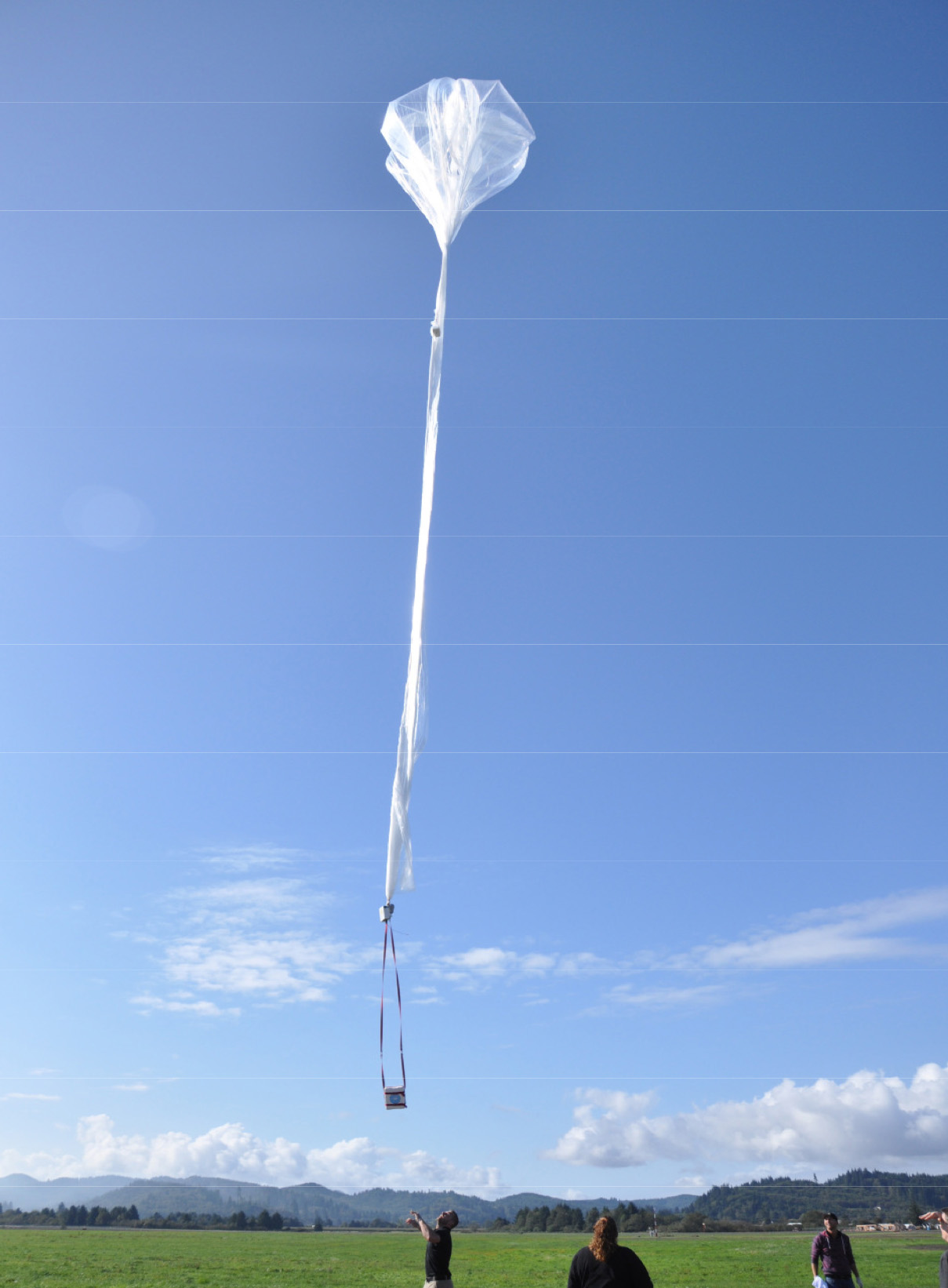
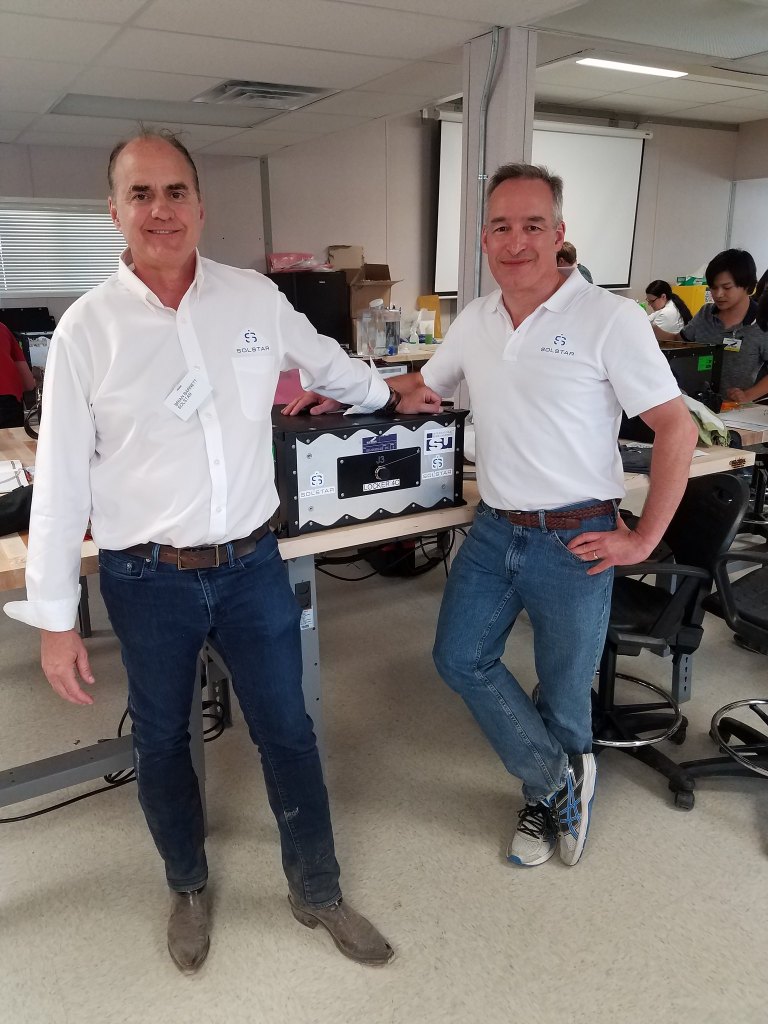
Learn more about the Solstar technology
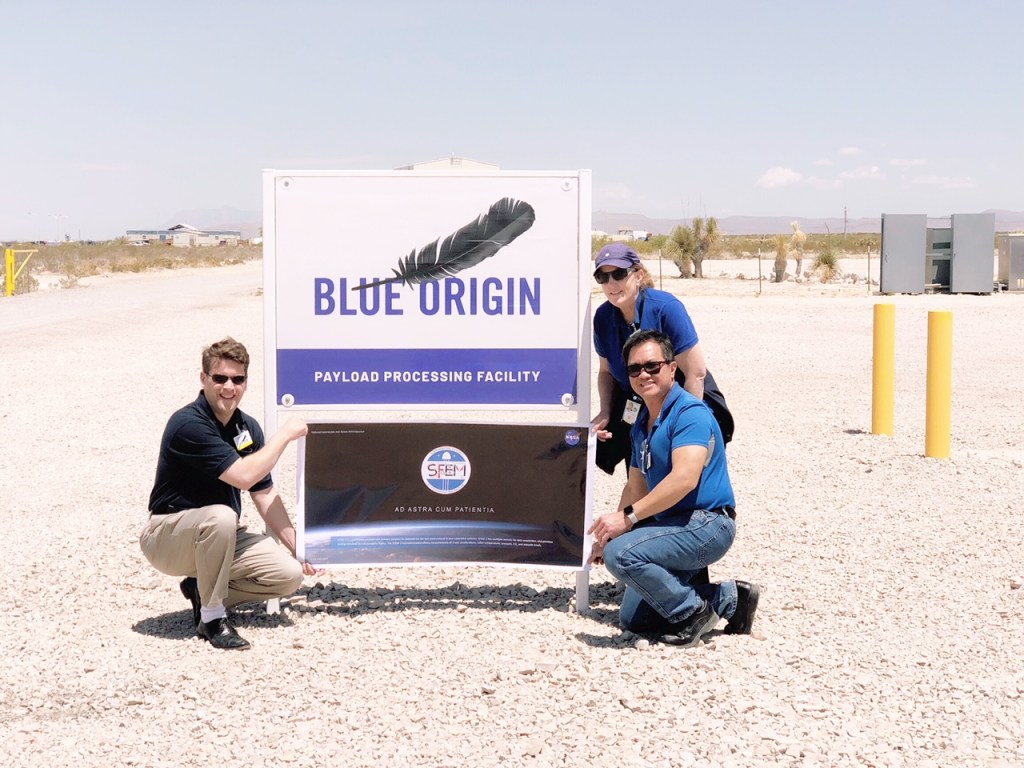
Wifi in Space and Spacecraft Technologies Launched on Blue Origin Rocket
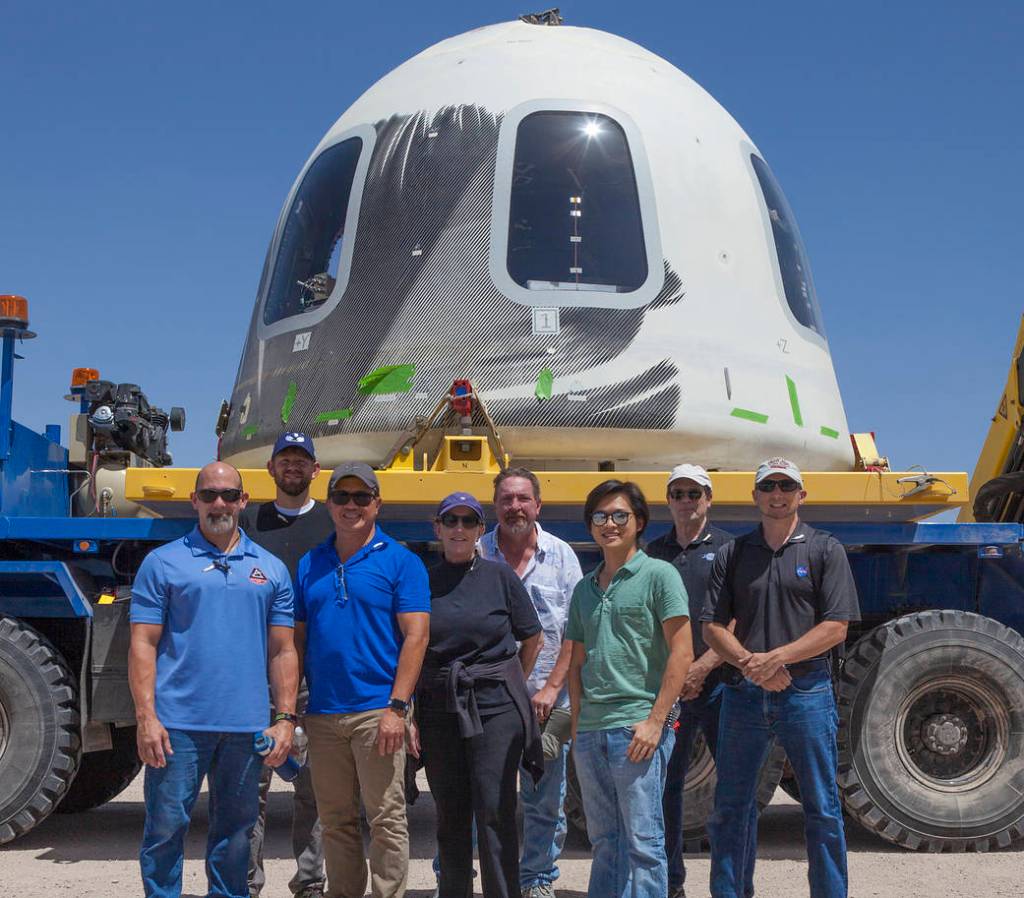
Latest Blue Origin Launch Tests Technologies of Interest to Space Exploration
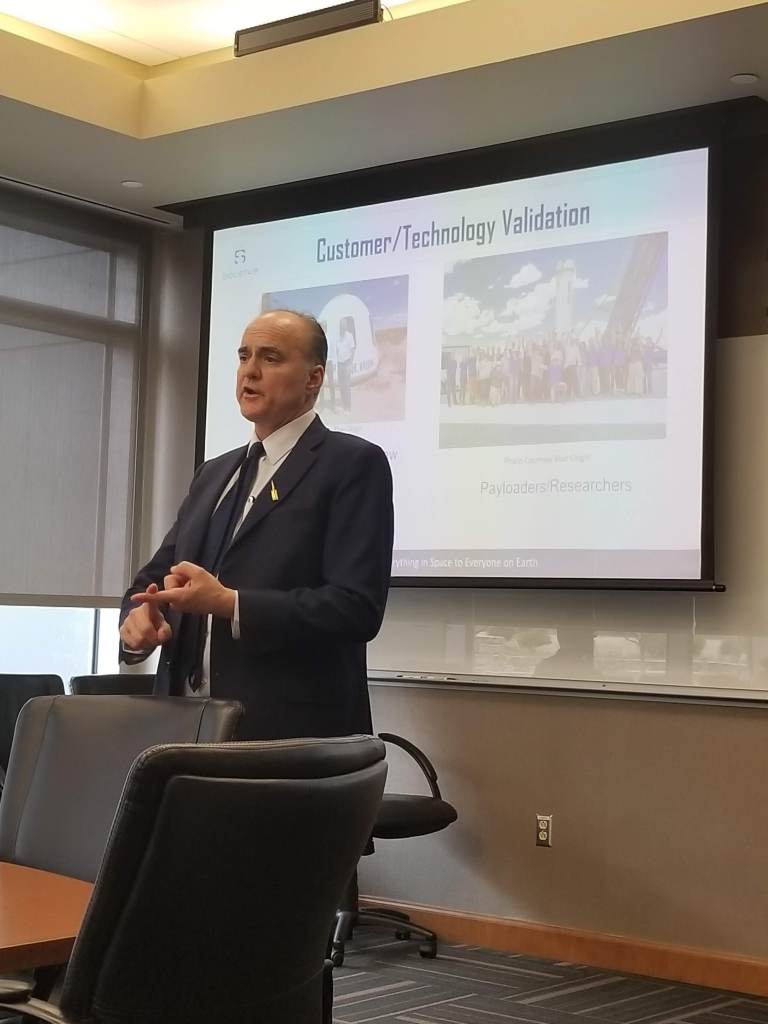
Tech Talk Gets Visit from CEO of First Company to Provide Commercial Wifi in Space
Learn More About Flight Opportunities

More Technology Transitions
Learn about other technologies that have advanced their readiness through testing with Flight Opportunities.
Access Flight Testing
Learn more about how to flight test your technology, instrument, or experiment with the Flight Opportunities program.
Flight Providers
Learn about the commercial flight providers that engage with the Flight Opportunities program.
Keep Exploring
Discover More Topics From NASA