
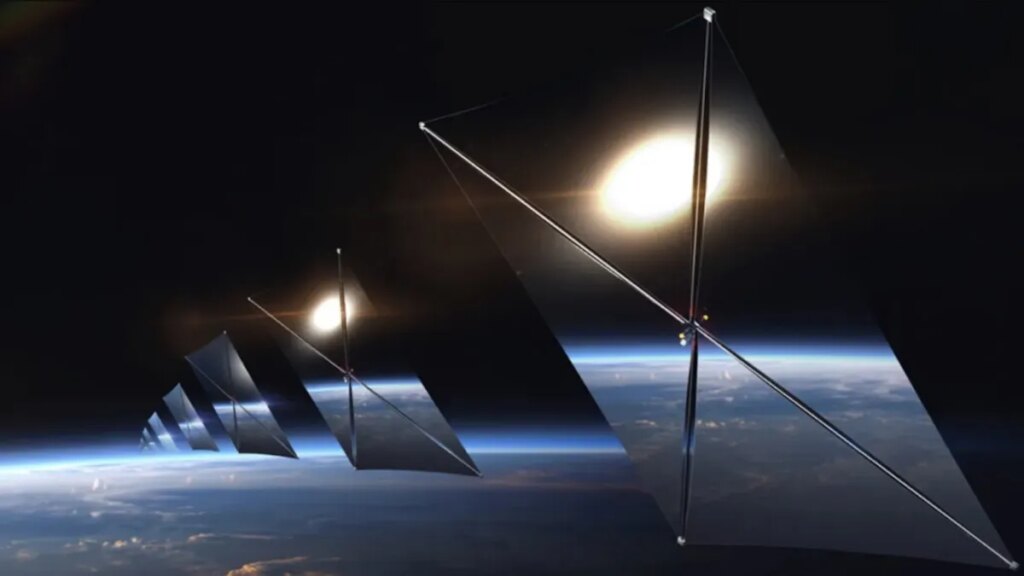
British astronomers have expressed anger at a US company’s plans to illuminate the Earth at night using tens of thousands of mirrors mounted on satellites, warning that the scheme would be “disastrous” for science.
Reflect Orbital, a California-based company founded by the entrepreneur Ben Nowack, plans to launch a constellation of satellites equipped with mirrors designed to reflect sunlight onto specific locations on Earth after dark. The company says the system could allow solar farms and other sites to receive light after sunset.
The Royal Astronomical Society (RAS) said the “unacceptable” plans threatened observations of space and the natural darkness of the night sky.
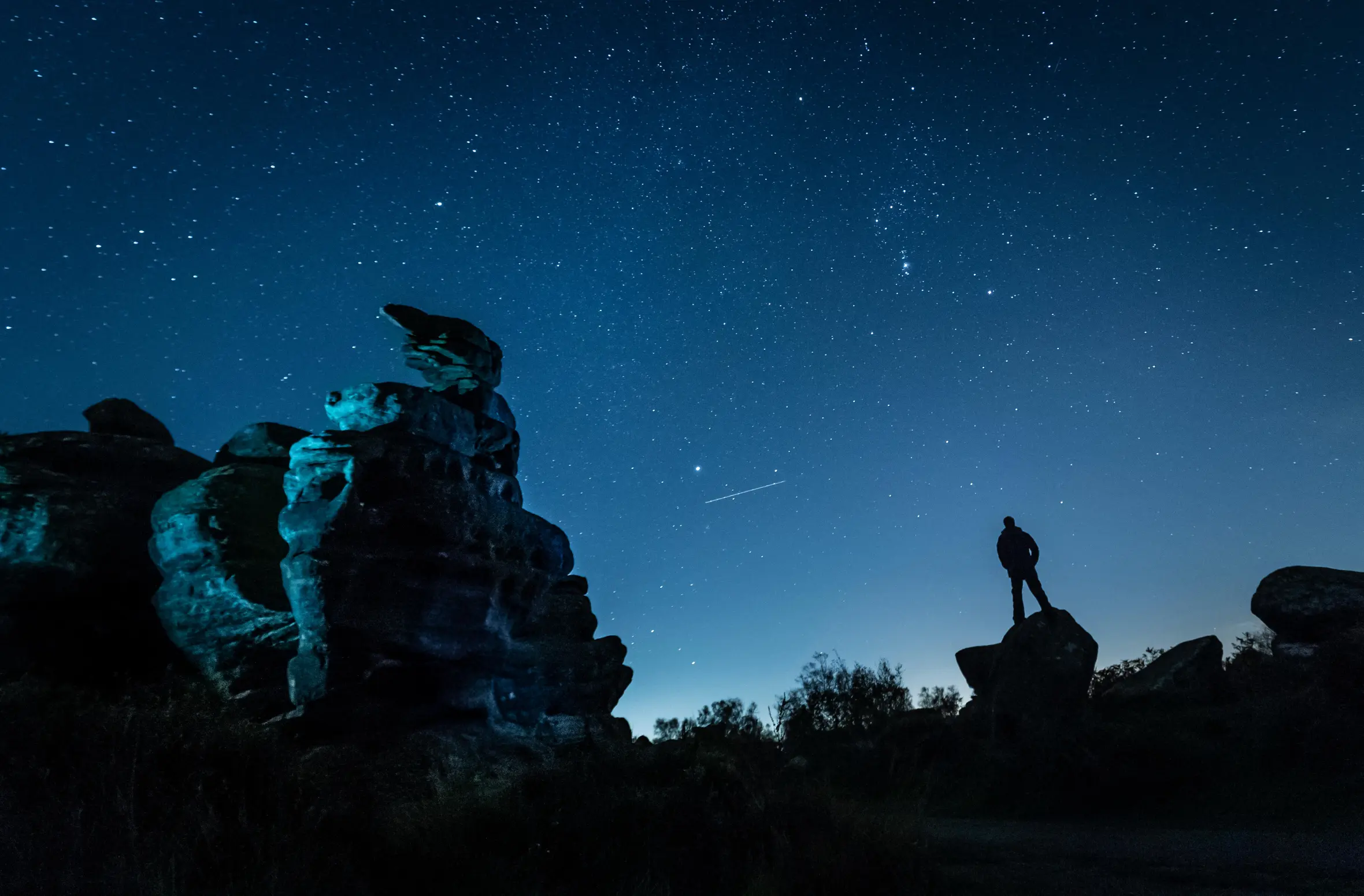 The satellites would mar views of the night sky, scientists saidAlamy
Under the proposal, mirrors in orbit would redirect sunlight to the ground, creating beams of artificial “moonlight” over selected areas. Reflect Orbital argues that this could extend working hours for infrastructure projects or provide emergency lighting after natural disasters.
Astronomers said the scheme would have profound consequences for the night sky. Each beam could be about four times brighter than the full moon, while scattered light would contaminate areas beyond the intended target.
The company ultimately envisages deploying about 50,000 mirrors in orbit. Estimates suggest that a constellation on this scale could make the night sky three to four times brighter overall, severely affecting observations made by ground-based telescopes.
The plans call for each mirror to be as big as 54m in diameter. Even if they do not point directly at the UK, they could be visible from the ground as they transit the sky. Experts estimate that each one, even when viewed side-on, could appear as bright as Venus, the most luminous planet.
At the same time, the RAS is warning about a separate proposal from Elon Musk’s company SpaceX, which has applied to launch up to one million satellites designed to function as space-based data centres to power artificial intelligence systems.
Brightness estimates suggest that thousands of these satellites could be visible to the naked eye at any given time — potentially outnumbering the stars visible in the night sky. Astronomers say the impact on research could be significant.
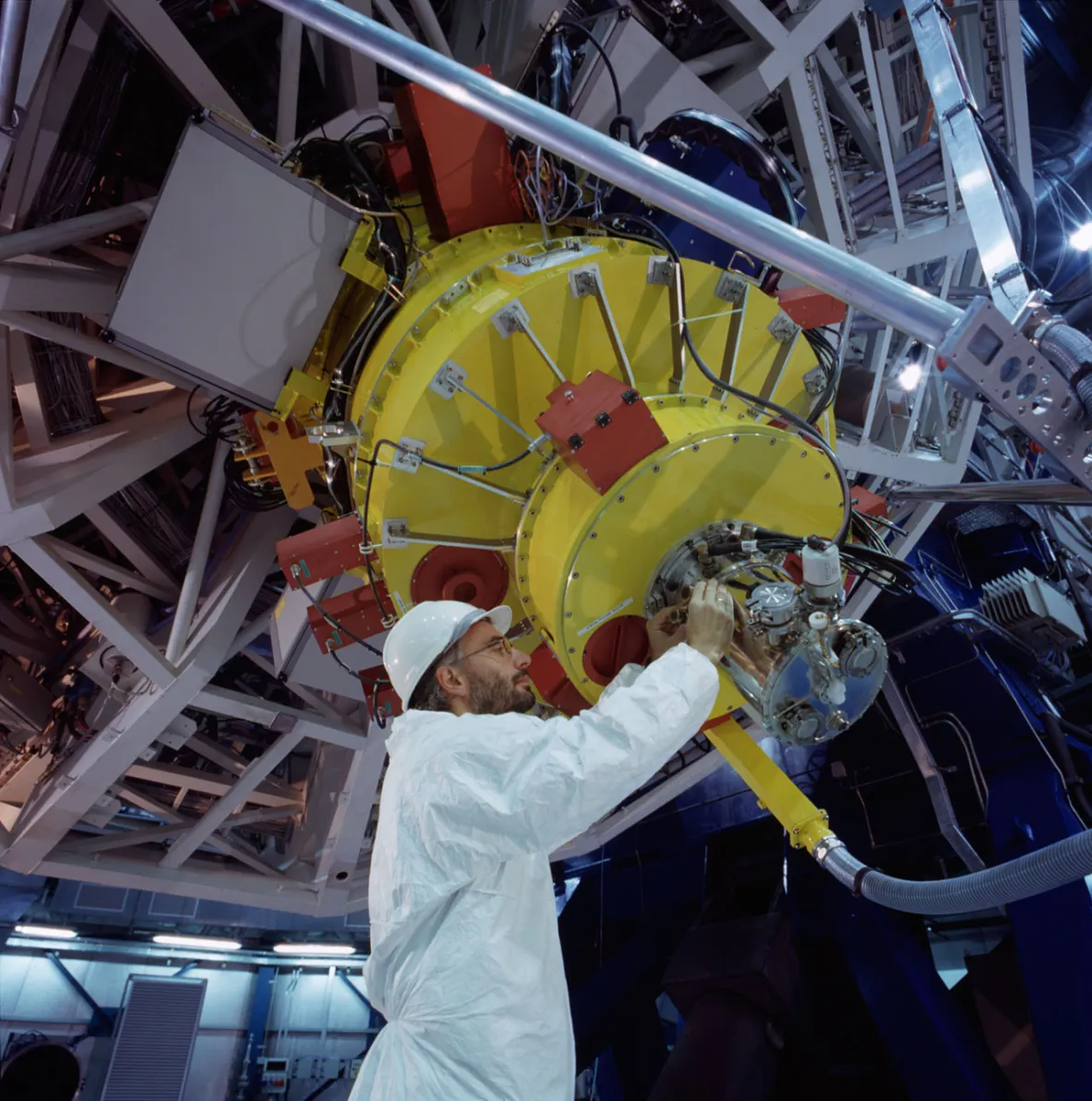 The European Southern Observatory’s Very Large Telescope in Chile
Scientists estimate that observations made with the European Southern Observatory’s Very Large Telescope in Chile could lose about 10 per cent of their data on average because of bright streaks caused by satellites crossing the field of view.
Both Reflect Orbital and SpaceX have submitted their proposals to the US Federal Communications Commission (FCC), which must decide whether to approve the launches.
In response, the RAS and the European Southern Observatory have submitted comments opposing the plans. They warn that the projects would severely damage ground-based astronomy and permanently alter the appearance of the night sky.
Robert Massey, the deputy executive director of the RAS, said: “These proposals would not only have a disastrous impact on the science of astronomy, they would also hinder the right of everybody on Earth to enjoy the night sky. That is unacceptable.
“The stars above us are a valued part of human heritage — deploying more than one million exceptionally bright satellites would utterly destroy this and permanently scar the natural landscape. We hope the FCC wholeheartedly rejects the plans.”