The odds that a piece of debris would cause harm to a person were estimated to be about about 1 in 4,200, the space agency said in a news release.
That’s a low chance, according to NASA, and more favorable odds than those of space debris incidents of years past.
OlympusMons94 on
>The probe plunged out of orbit and into Earth’s atmosphere at 6:37 a.m. ET Wednesday near the equatorial Pacific, south of Mexico and west of Equador, according to astrophysicist Jonathan McDowell, citing US Space Force data, and NASA.

2 Comments
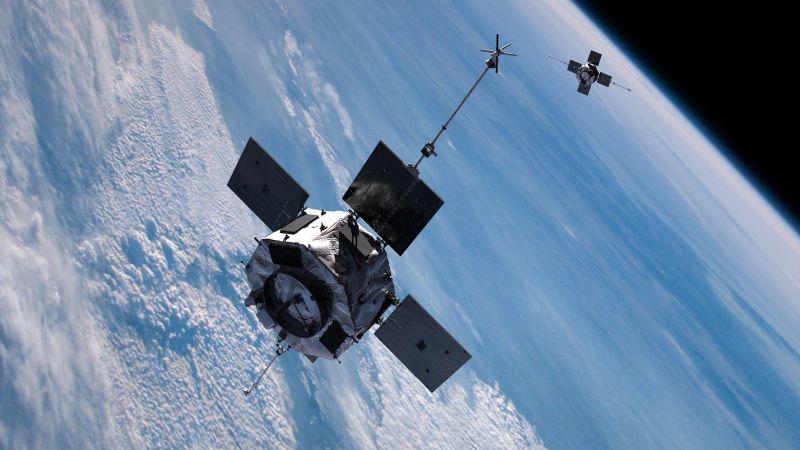
A large space probe [plummeted into Earth’s atmosphere early Wednesday](https://www.cnn.com/2026/03/10/science/nasa-van-allen-spacecraft-earth-reentry?utm_medium=social&utm_campaign=missions&utm_source=reddit) — years earlier than expected. And while most of the spacecraft was expected to disintegrate in a flaming blaze during reentry, a few components could have survived, according to NASA.
The odds that a piece of debris would cause harm to a person were estimated to be about about 1 in 4,200, the space agency said in a news release.
That’s a low chance, according to NASA, and more favorable odds than those of space debris incidents of years past.
>The probe plunged out of orbit and into Earth’s atmosphere at 6:37 a.m. ET Wednesday near the equatorial Pacific, south of Mexico and west of Equador, according to astrophysicist Jonathan McDowell, citing US Space Force data, and NASA.