

The frequency of satellites falling out of the sky is actually higher than most people think, yet news of a NASA satellite weighing 1,300 lbs hurtling towards Earth has understandably left many worried about the dangers it might cause for human life.
There have been an increasing number of satellites sent up into Earth‘s orbit, to the point where Elon Musk has had to enact a dramatic change to SpaceX‘s satellite constellations to avoid a chain reaction of collisions.
Satellites coming crashing down onto our planet is unfortunately an inevitability, however, either through collisions with other space objects or the failure of technology inside the advanced machines, yet most of the time they simply fall into the water or somewhere with minimal damage, and be mostly destroyed by the time they reach the ground.
What spacecraft is set to crash into Earth this week?
Worries have arisen recently, however, following the reveal that the Van Allen Probe A is set to re-enter the Earth’s atmosphere within the next 24 hours, with the large NASA spacecraft weighing a considerable amount.
As reported by Space, the US Space Force has predicted that it will re-enter our airspace at around 7:45 p.m. EDT (23:45 GMT) on Tuesday, March 10.
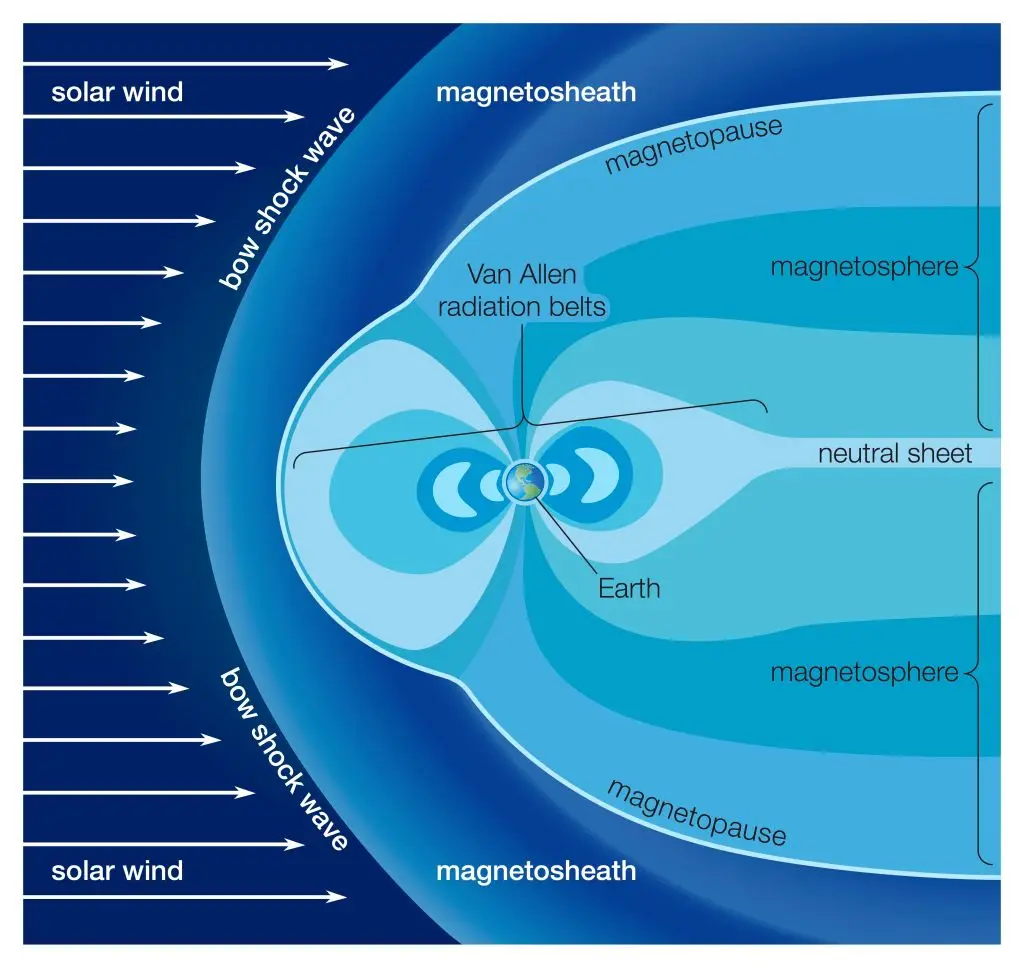 The probe was designed and launched to analyze the Van Allen belts surrounding our planet (Encyclopaedia Britannica/UIG Via Getty Images)
It’s purpose following its launch in 2012 was to analyze the Van Allen belts, which are rings of charged particles within Earth’s magnetic fields that shield our planet from cosmic radiation, solar storms, and potentially catastrophic solar wind.
Is there a risk the satellite will hit humans?
The approximately 1,323 lb (600 kg) object thankfully has an incredibly low risk of damaging or harming human life when it makes contact with the ground, both due to the sheer size of our planet and the impact that re-entering our atmosphere will have on its structure.
According to a statement from NASA, the space agency “expects most of the spacecraft to burn up as it travels through the atmosphere, but some of the components are expected to survive re-entry.”
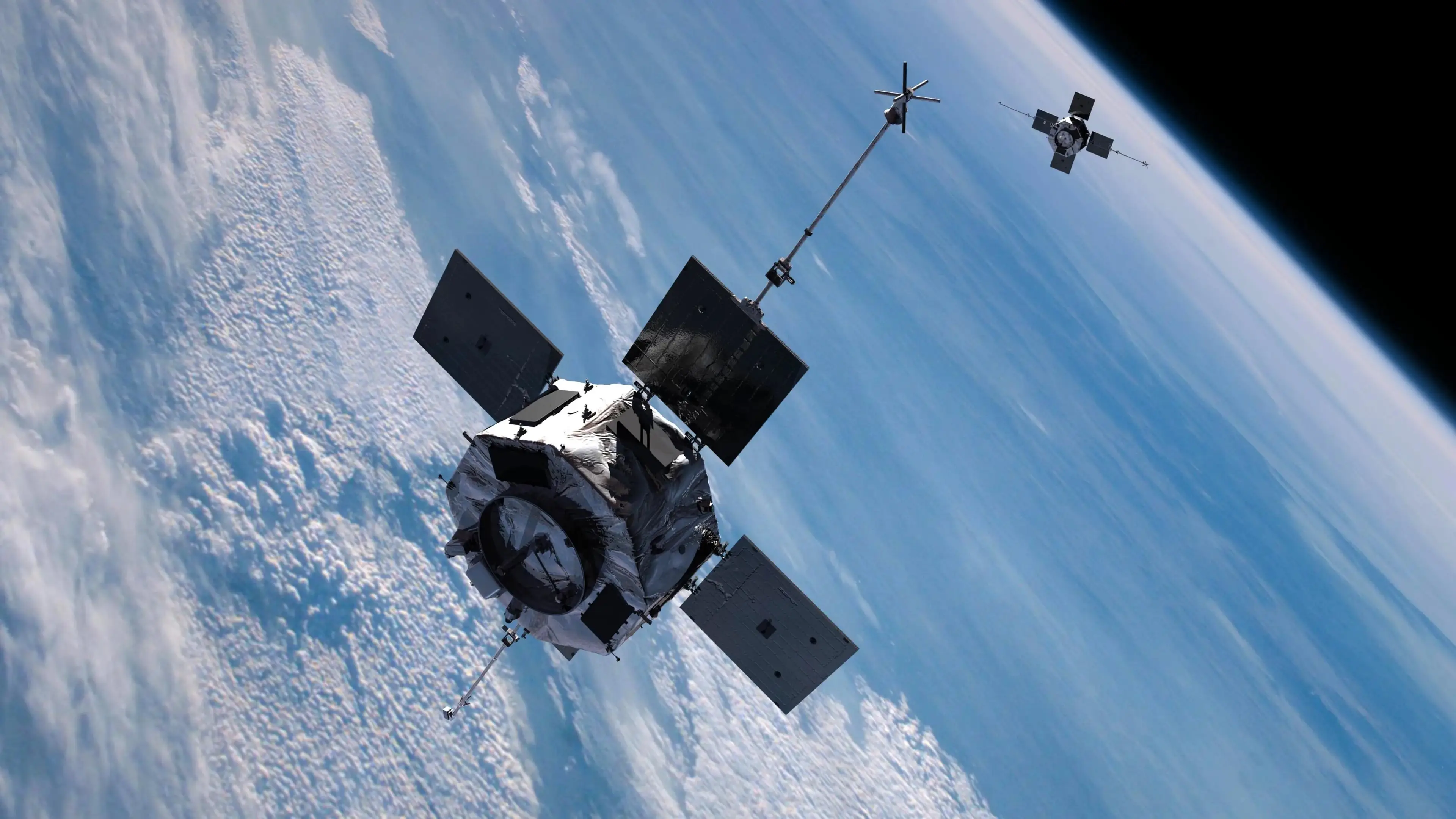 The chances of the spacecraft damaging human life are roughly 1 in 4,200 upon re-entry (NASA)
Additionally, experts have outlined that “the risk of harm coming to anyone on Earth is low — approximately 1 in 4,200,” which equates to around 0.0238 percent, so the likelihood of it happening is incredibly slim.
Scientists at NASA and the US Space Force are continuing to monitor the spacecraft as it continues on its journey into our atmosphere, but there is largely little to worry about — especially relative to the threat that asteroids have posed in the past few years when analysis tracked their path towards our planet.