This shot was incredibly difficult to pull off and almost didn’t happen. I intended to use my C8 to capture it, but around 2:30am I noticed it had pinched optics. I tried replacing the dew heater ring, but the problem remained. I realized I had to switch all my imaging gear back onto my refractor or I would miss the moment. Luckily I made it in time, and thank goodness for clear skies!
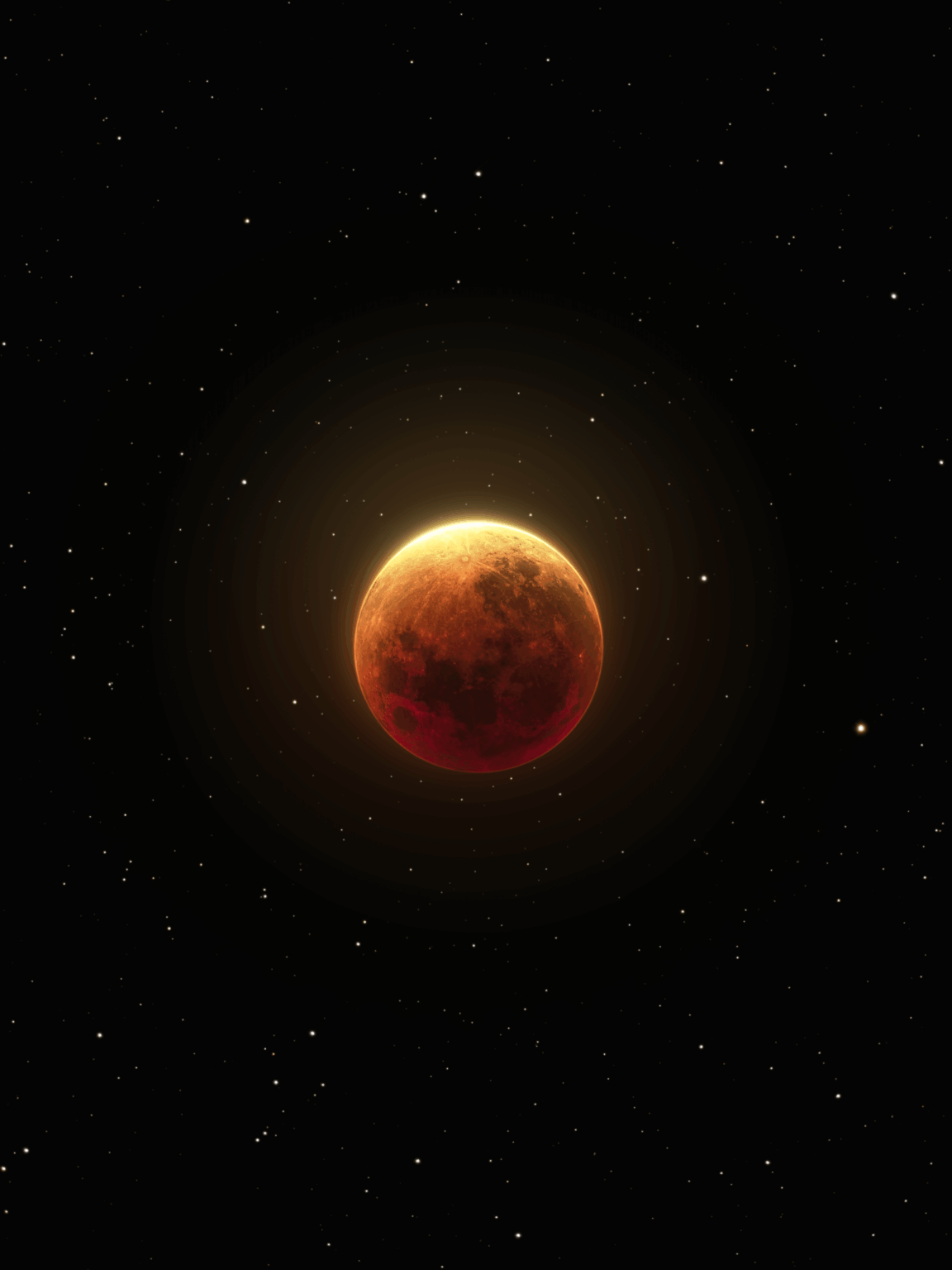
The lunar disk is made up of (20×5s) + (20×8s) images. The stars were stacked from the 8 second images only. I had an already overexposed image which I stretched even further to capture the natural glow from the moon, and blended that into the rest of the compositon.
This was my first proper eclipse image through a scope, it was a royal pain to process but I think it turned out well for a first attempt!

1 Comment
Full image and processing details on [Astrobin](https://app.astrobin.com/i/yvq2ua)
This shot was incredibly difficult to pull off and almost didn’t happen. I intended to use my C8 to capture it, but around 2:30am I noticed it had pinched optics. I tried replacing the dew heater ring, but the problem remained. I realized I had to switch all my imaging gear back onto my refractor or I would miss the moment. Luckily I made it in time, and thank goodness for clear skies!
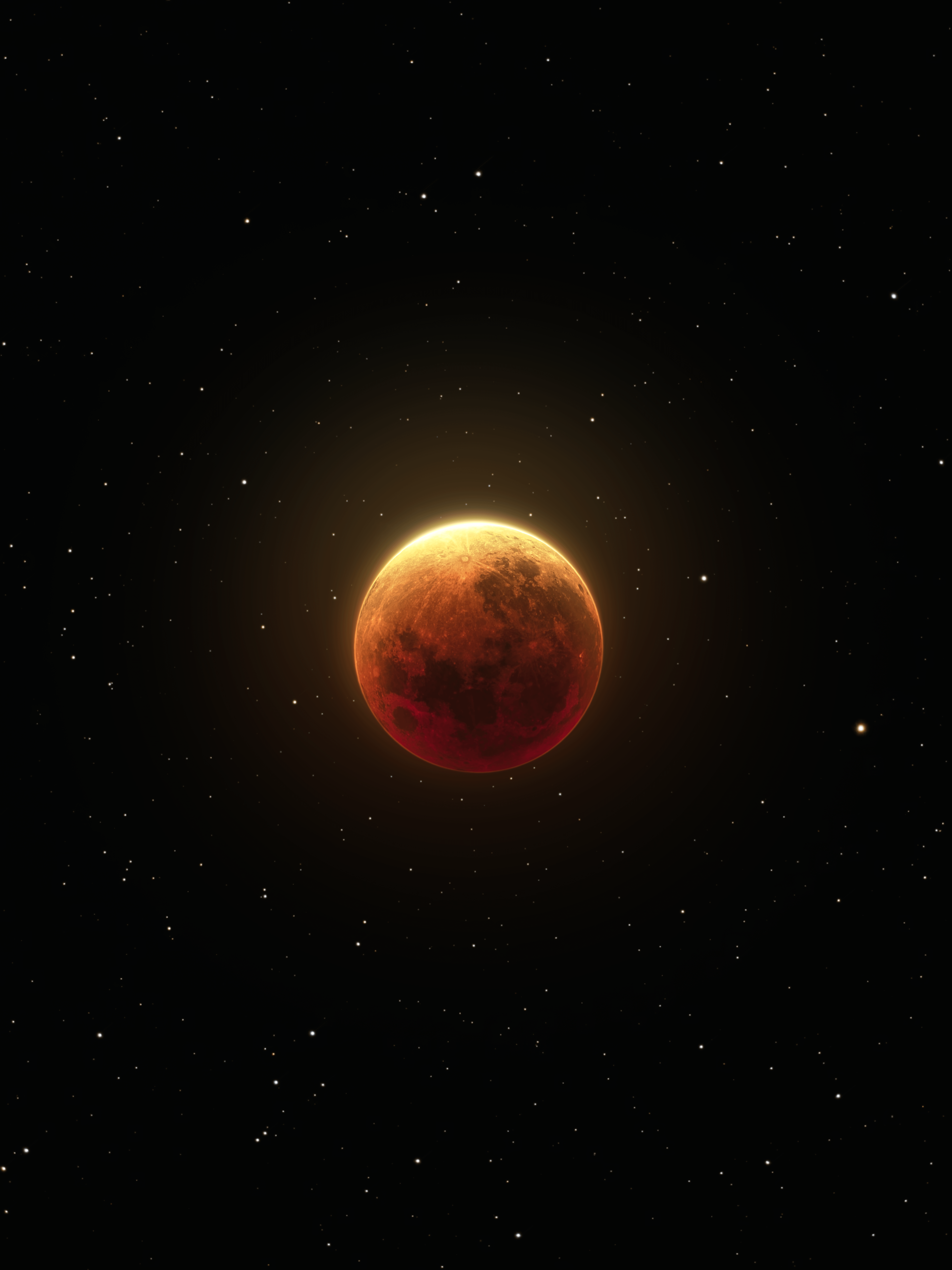
The lunar disk is made up of (20×5s) + (20×8s) images. The stars were stacked from the 8 second images only. I had an already overexposed image which I stretched even further to capture the natural glow from the moon, and blended that into the rest of the compositon.
This was my first proper eclipse image through a scope, it was a royal pain to process but I think it turned out well for a first attempt!