
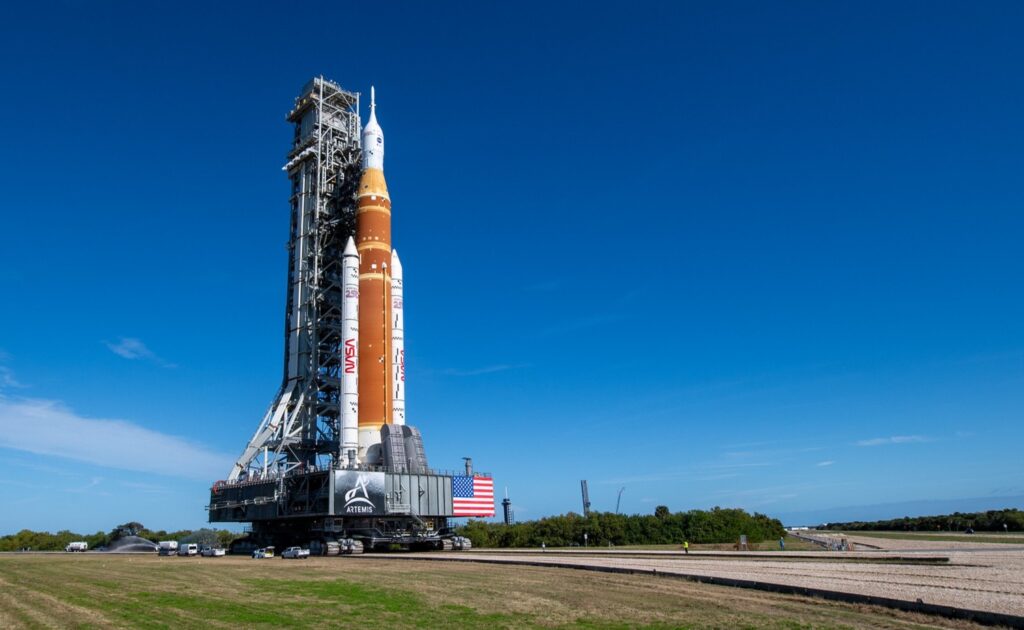
NASA has successfully fixed the helium supply issue in the upper stage of the SLS rocket, so the first manned flight to the Moon under the Artemis II program remains on track for April 2026.
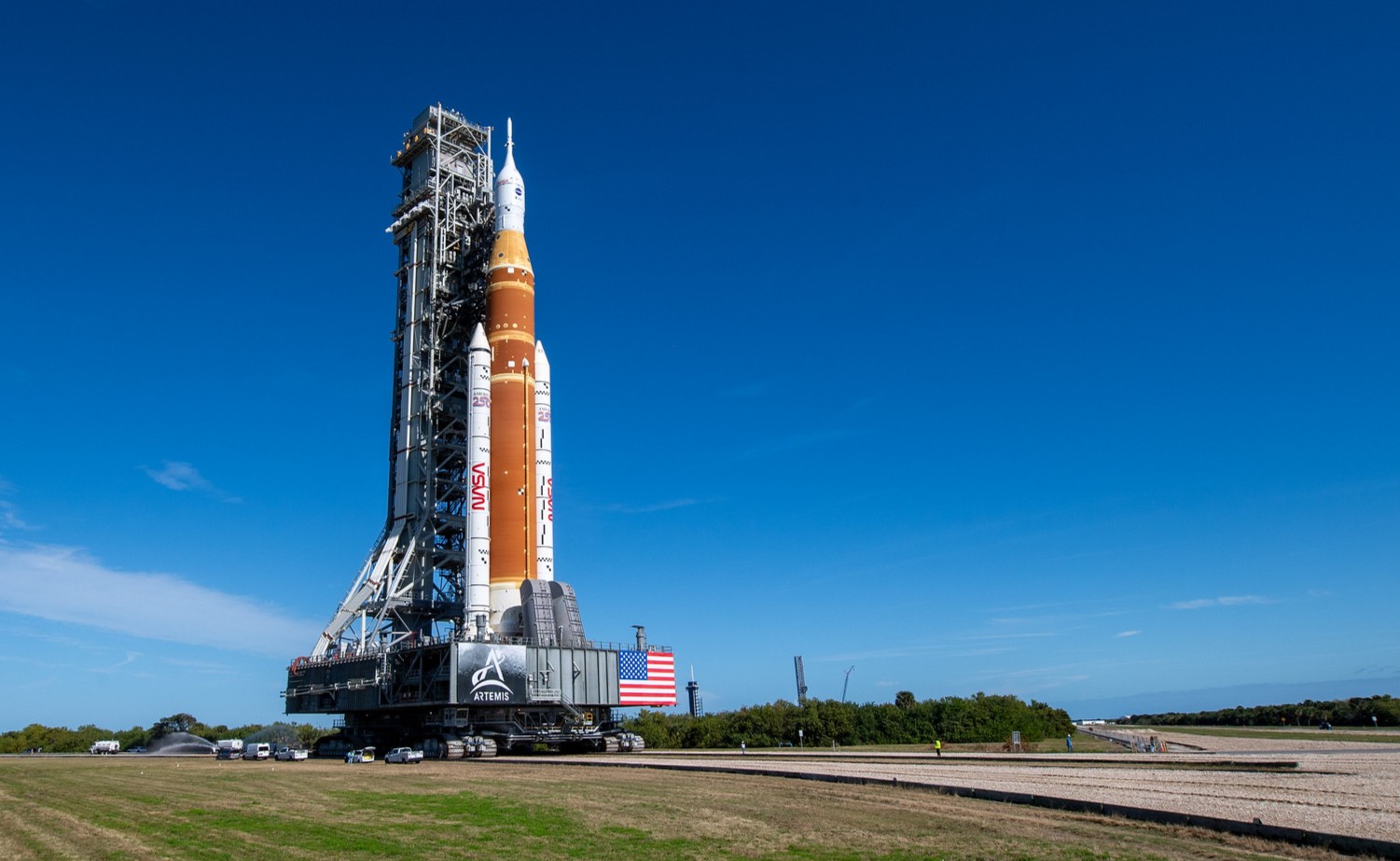 The Artemis II Space Launch System (SLS) rocket and Orion spacecraft, secured to a mobile launch platform, are moving to launch pad 39B. Photo: NASA
NASA engineers discovered a malfunction after a successful dress rehearsal refueling on February 21: helium stopped flowing normally to the intermediate cryogenic propulsion stage (ICPS) – the upper part of the Space Launch System rocket. This gas is critically important: it maintains the necessary pressure in the tanks with supercooled liquid hydrogen and oxygen, and also ensures the correct temperature conditions for the engine.
The cause was a shift in the sealing gasket in the quick-release connection, through which helium flows from ground equipment directly into the rocket. The gasket simply shifted and blocked the channel.
The rocket had to be returned from the launch pad back to the Vehicle Assembly Building at Kennedy Space Center. There, technicians quickly dismantled the problematic connection, correctly installed the seals, reassembled everything, and conducted control tests with reduced helium consumption. The tests confirmed that the flow had been restored and the system was working properly.
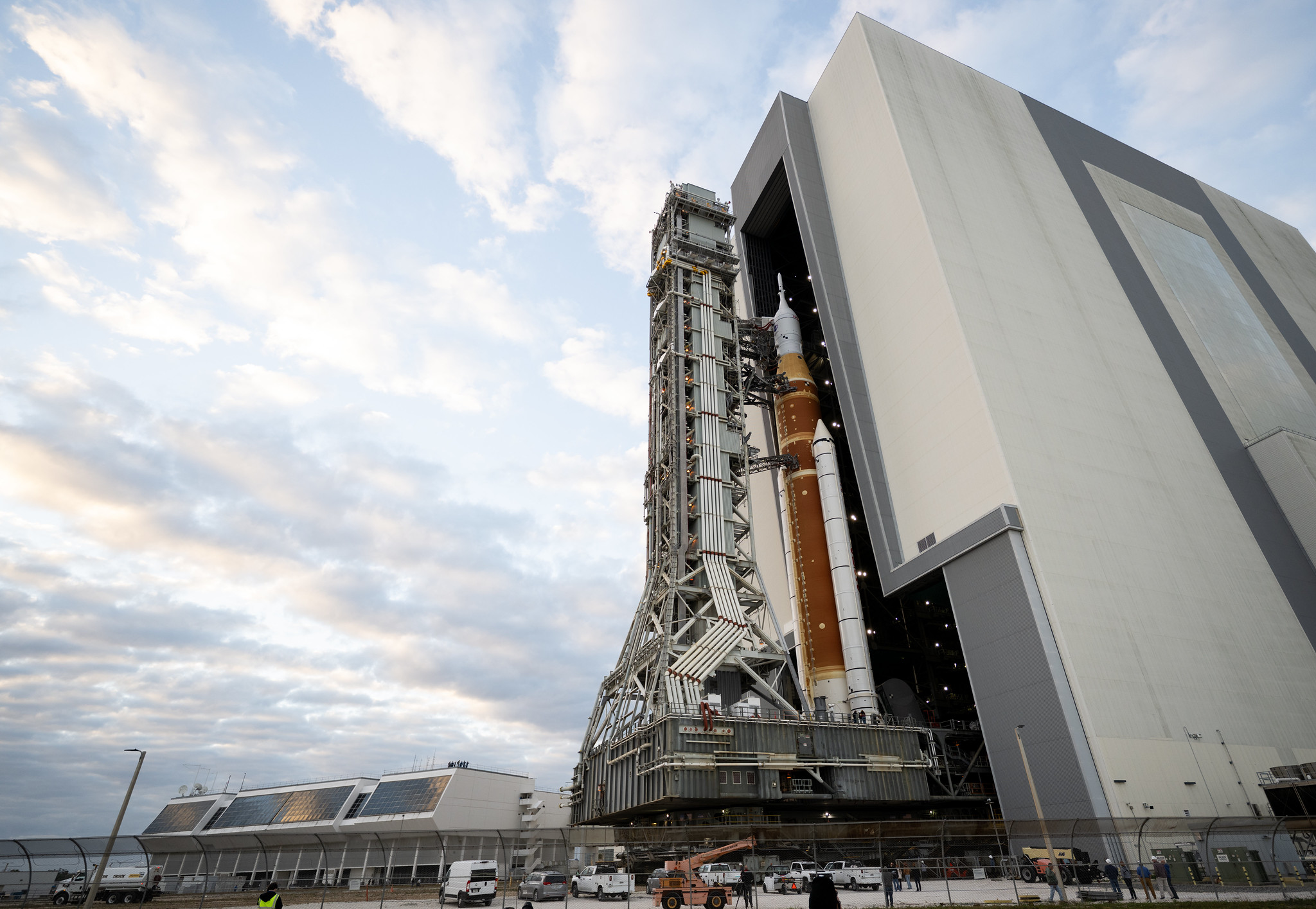 Space Launch System (SLS) rocket. Photo: NASA
NASA immediately notes that, in parallel with the repairs, the team wasted no time and carried out several other important tasks:
replaced the onboard batteries in the main stage, upper stage ICPS, solid fuel boosters, and emergency flight termination system;
prepared new batteries for the Orion crew emergency rescue launch system;
replaced the seals in the liquid oxygen supply line to the main stage (the reason for the replacement has not been officially disclosed; no leaks were detected during recent refueling operations).
The April window – a real chance
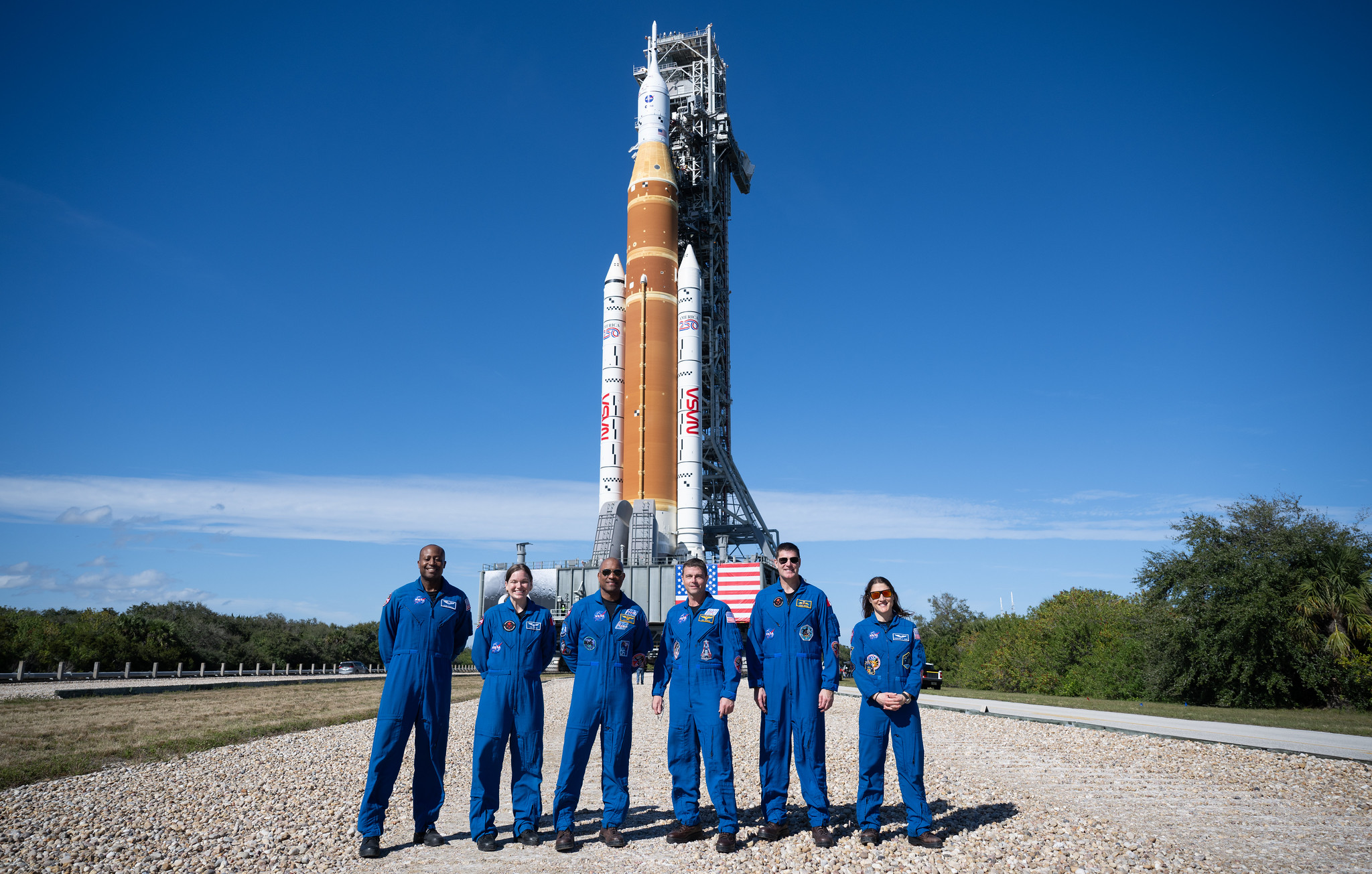 Artemis II backup crew members NASA astronaut Andre Douglas and CSA (Canadian Space Agency) astronaut Jenny Gibbons, as well as main crew members NASA astronauts Victor Glover, Reid Wiseman, CSA (Canadian Space Agency) astronaut Jeremy Hansen, and NASA astronaut Christina Koch – pose for a photo with NASA’s Space Launch System (SLS) rocket and Orion spacecraft secured to the mobile launch platform during a 4.2-mile journey from the Vehicle Assembly Building to Launch Pad 39B at NASA’s Kennedy Space Center in Florida. Photo: NASA
After repairs and maintenance, NASA confidently states that the schedule is on track. The SLS rocket and Orion spacecraft are scheduled to be transported to the launch pad at the end of March. After that, the team will need approximately 10-14 days for final checks and preparations.
Two-hour launch windows are available in the evening:
April 1, 3, 4, 5, and 6, 2026 (first period);
The next opportunity is on April 30.
If nothing gets in the way, Artemis II – the first manned flight around the Moon in over half a century – could launch as early as April.
This news demonstrates how careful and complex the preparations for the Artemis program flights are: even a small misplaced gasket can stop a giant rocket, but at the same time, it shows the high professionalism of the teams, who quickly find and fix problems.
The moon is waiting – and now the path to it is open again.
We previously reported that the next Artemis III mission will not land on the Moon.
Provided by Space News