
 3 min read
During the late 1960s, a top-secret Soviet program to sneak nuclear weapons around U.S. early warning radars was mistaken for a rash of UFO sightings by Moscow’s citizens. The weapon, known as FOBS, created a mysterious pattern in the night sky that many mistook for signs of alien visitation.
In the spring of 1967, people living in the western Soviet Union noticed something odd in the sky at dusk: a mysterious crescent-shaped sliver of light, about the size of the moon from most directions but larger from others. The crescent appeared six times in 1967, always at the same time of day, before it finally disappeared.
According to veteran space expert James Oberg at Air & Space Magazine, the Soviet press speculated they were UFOs, and UFO enthusiast groups sprang up across the country to record the sightings.
Related Story
Suddenly, after the sixth incident, Soviet press coverage of the incidents abruptly stopped. Someone in Moscow with the right clearance realized that the crescents in the sky at sundown were actual evidence of a top-secret weapons test—one that violated existing treaties on the deployment of nuclear weapons into space.

Wikipedia
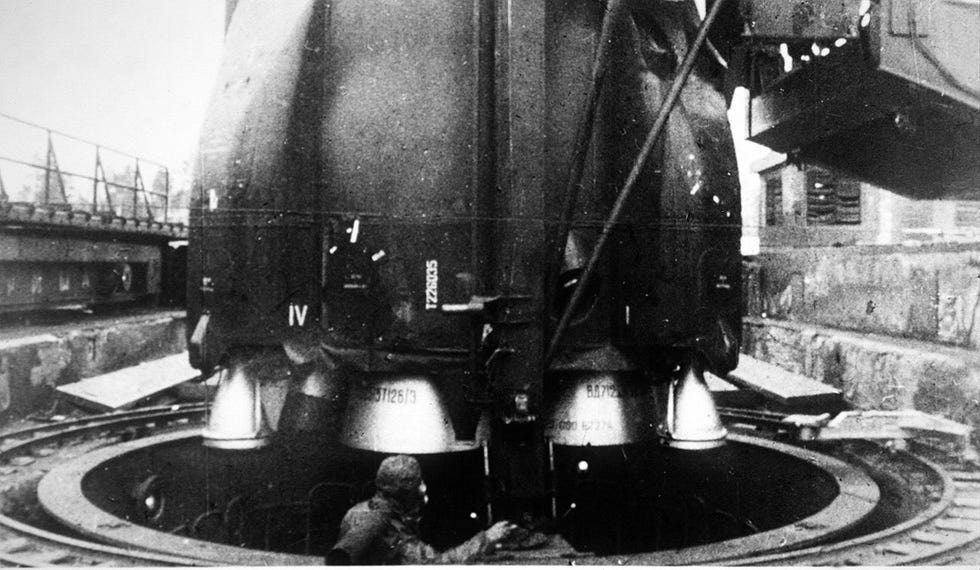
The “UFO” sightings were actually test launches of the R-36 Orb, a secret nuclear space missile. Developed from the SS-9 Scarp intercontinental ballistic missile, the R-36 Orb was designed to rocket into low-Earth orbit and de-orbit over the United States. Launched in a southern direction, the weapon could pass over the South Pole and then come at the United States from the direction of Mexico, bypassing the network of early warning radars facing north.
The trip would be longer, but would catch the Americans by surprise, allowing the Soviets the chance to detonate a 2-3 megaton thermonuclear weapon wherever they might choose.
Related Story
The R-36 was a so-called “first strike” weapon. The only logical reason to have such a weapon was to use it first in a nuclear war, as a surprise weapon meant to destroy American leadership and nuclear command and control systems. The problem? The R-36 was not accurate.
On average, half of R-36s launched in a war would land within three miles of their target. That’s not a deal breaker with a 5-megaton warhead, but it does rule out destroying enemy missile silos. Still, the R-36 would retain use when it came to wiping out the White House, Pentagon, U.S. nuclear bombers sitting on the tarmac, and other vital U.S. installations in a surprise attack.
 Wikipedia
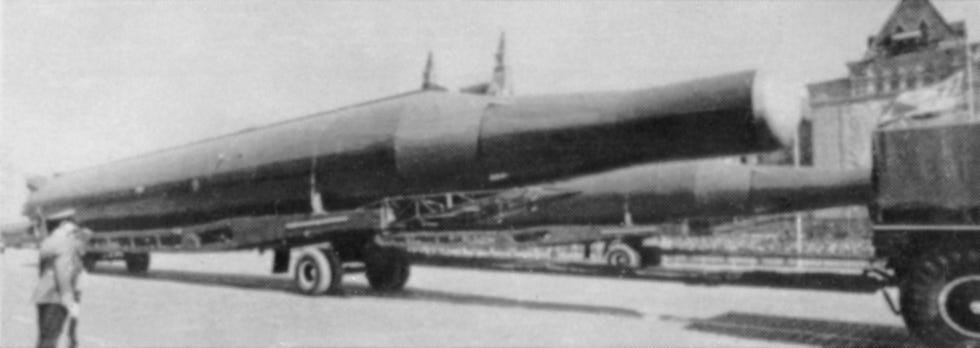
SS-9 missile during parade.
The Soviet military conducted six tests of the R-36, each at the exact time of day when the missiles were illuminated but the recording cameras were in shadow. The illuminated crescent was caused by the weapon’s braking maneuver, in which the de-orbit engine fired up and spewed exhaust as the weapon turned 180 degrees. This created a clearly visible letter “C” in the early evening sky. This slowed the R-36 down so that it entered low earth orbit, and would be fired back up again later to begin the de-orbiting process.
Although the Soviets initially explained away the tests as launches of “scientific research satellites,” American intelligence eventually figured out what they were up to and called the USSR out on it. Within eight months of the first test, according to Oberg, the U.S. claimed the R-36 was a first-strike weapon that used an orbit/de-orbit scheme.
Related Story
This would run afoul of the Outer Space Treaty, which was nearing completion and which would ban the placement of nuclear weapons in orbit. It would also run counter to U.N. Resolution 1884, passed in 1963, which called on the U.S. and U.S.S.R. not to place nuclear weapons in space.
 Wikipedia
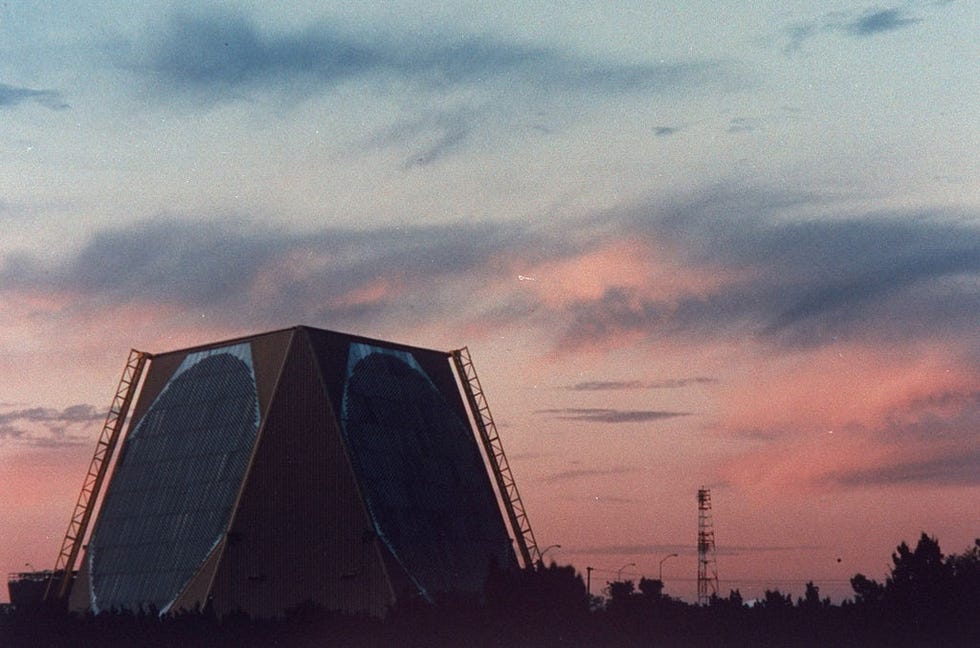
Ground-based radars such as this Pave Paws system in Colorado helped make the R-36 surprise attack mode obsolete.
The Soviet Union never came clean about the R-36. Eighteen of the weapons were based in silos near Tyuratam, and later banned by the SALT II arms control treaty. The weapons had long since been obsolete, foiled by the deployment of new, southward-facing American early warning radars and Soviet ballistic missile submarines that could launch an attack from that direction much more quickly. The UFOs, it turned out, were not so unidentified after all.
Best-Selling Products We Recommend

Best Overall Robot Vacuum

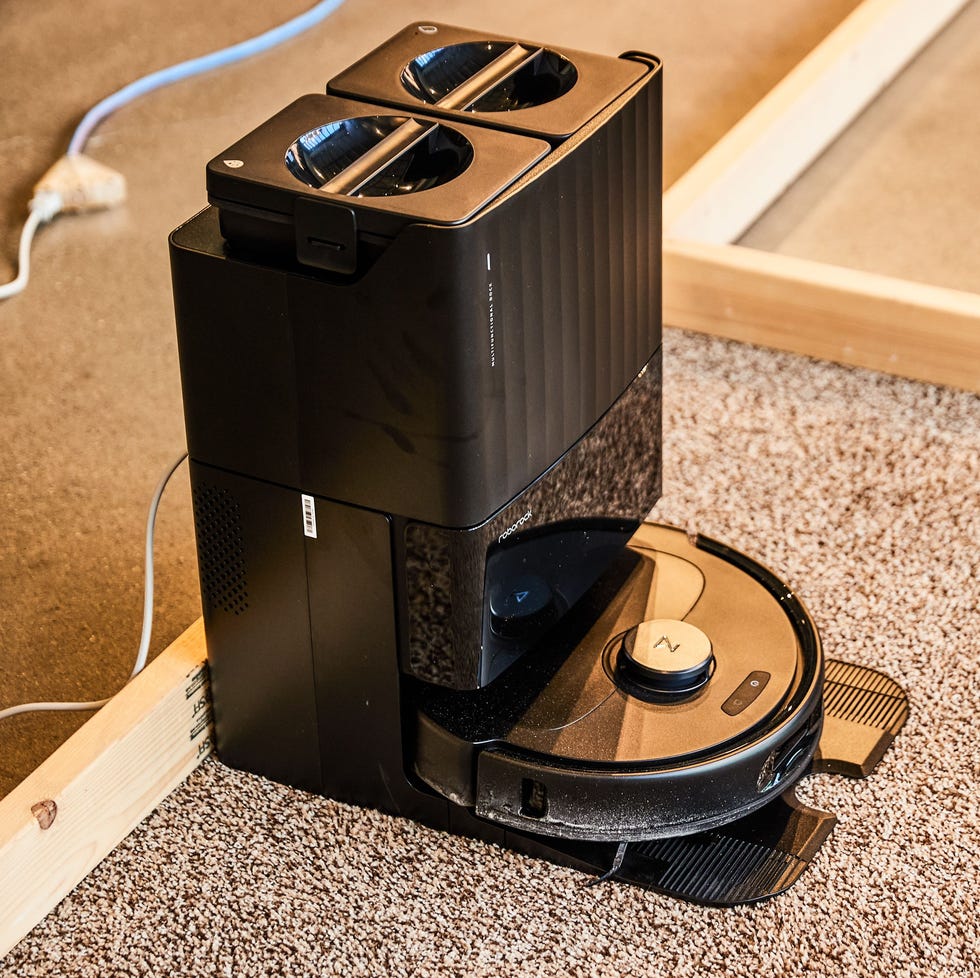 roborock Qrevo Series Robot Vacuum and Mop
Now 38% Off
Best Overall Power Bank
 Anker 25,000mAh Laptop Power Bank
Now 11% Off
Best Overall Photo Scanner
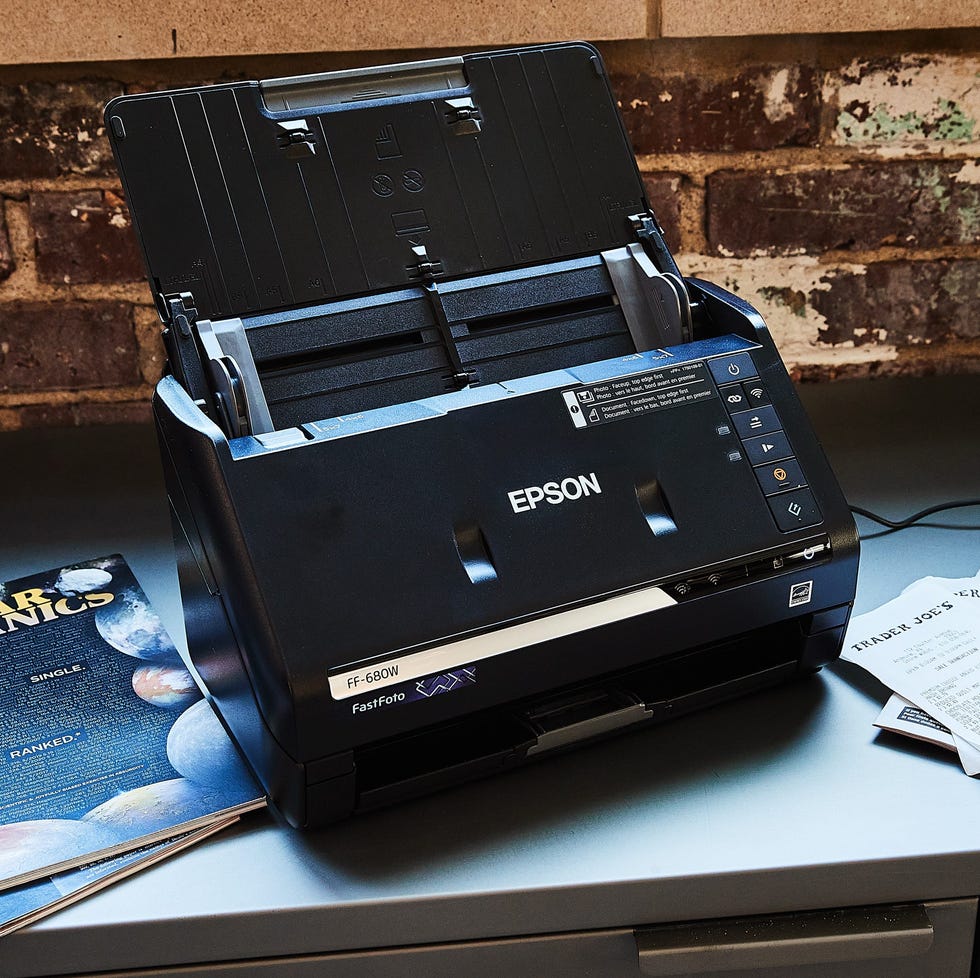 Epson FastFoto FF-640 High-Speed Photo Scanning System
Best Overall Portable Jump Starter
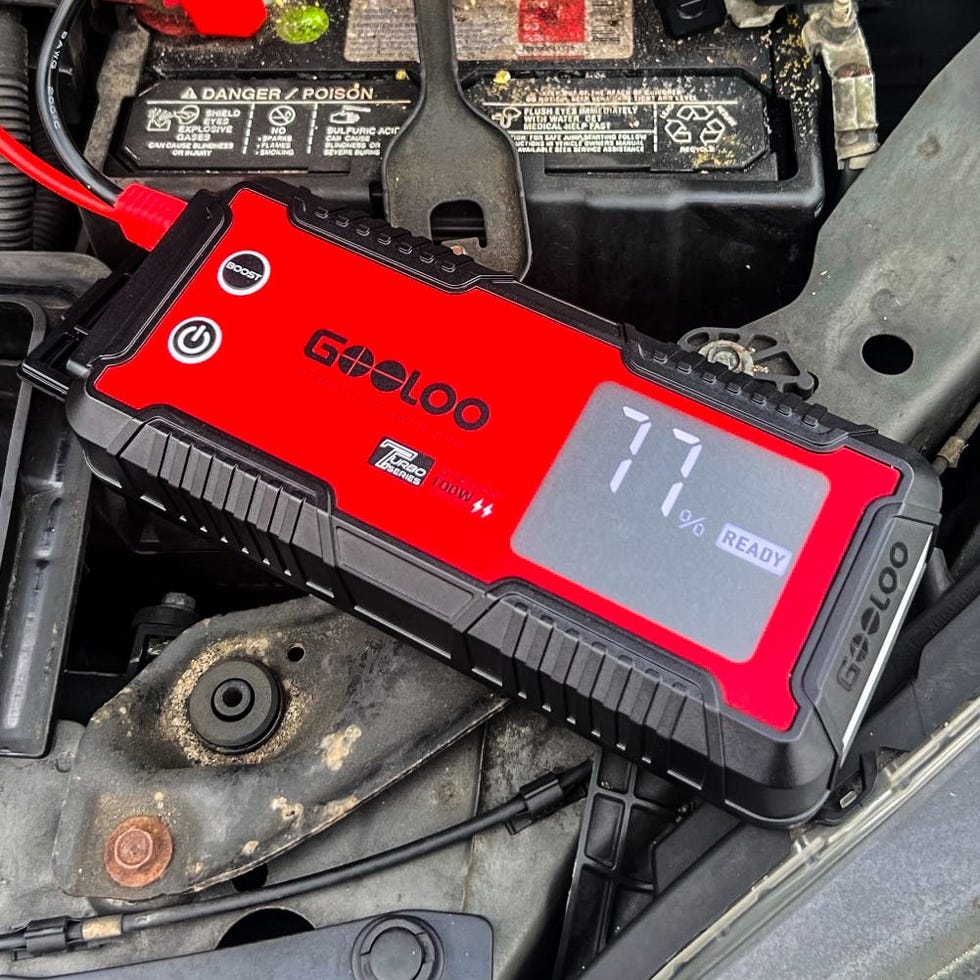 GOOLOO 6000A Portable Jump Starter
Now 18% Off
Best Value Drone
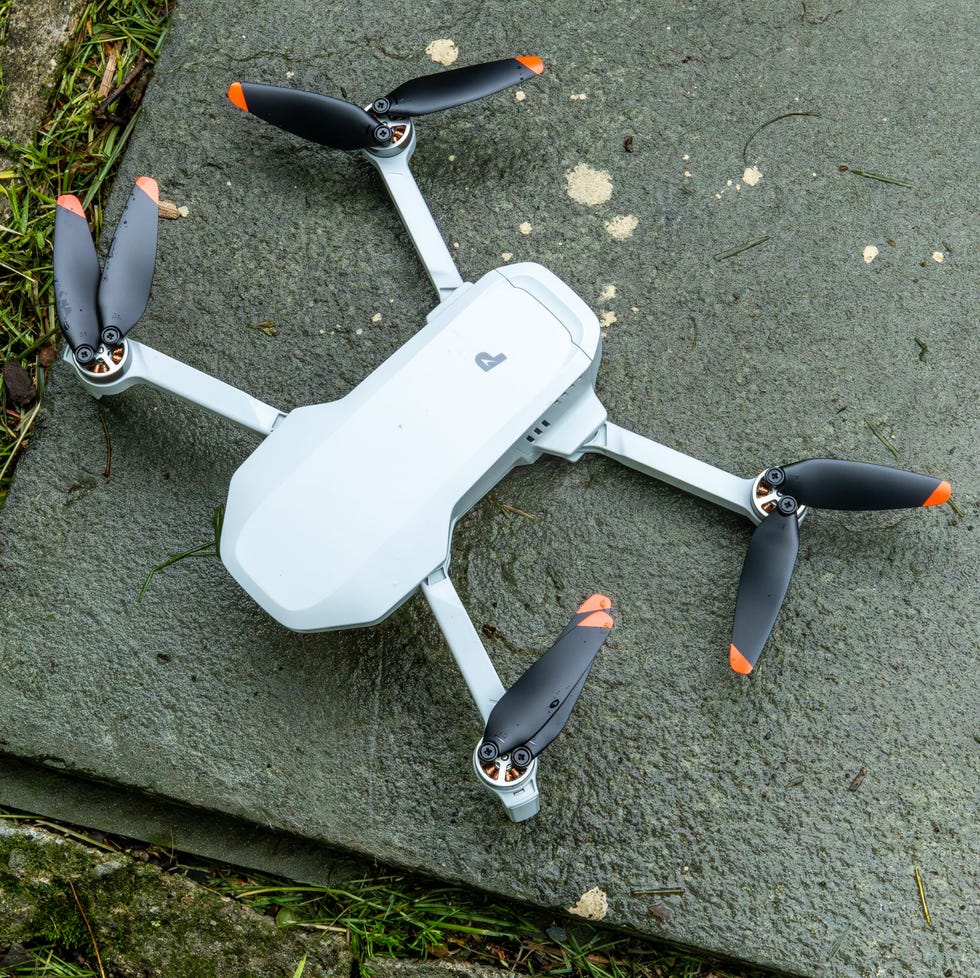 Potensic ATOM SE GPS Drone
Now 23% Off
Best Vacuum for Pet Hair
 Shark Stratos Upright Vacuum
Now 20% Off

Kyle Mizokami is a writer on defense and security issues and has been at Popular Mechanics since 2015. If it involves explosions or projectiles, he’s generally in favor of it. Kyle’s articles have appeared at The Daily Beast, U.S. Naval Institute News, The Diplomat, Foreign Policy, Combat Aircraft Monthly, VICE News, and others. He lives in San Francisco.