
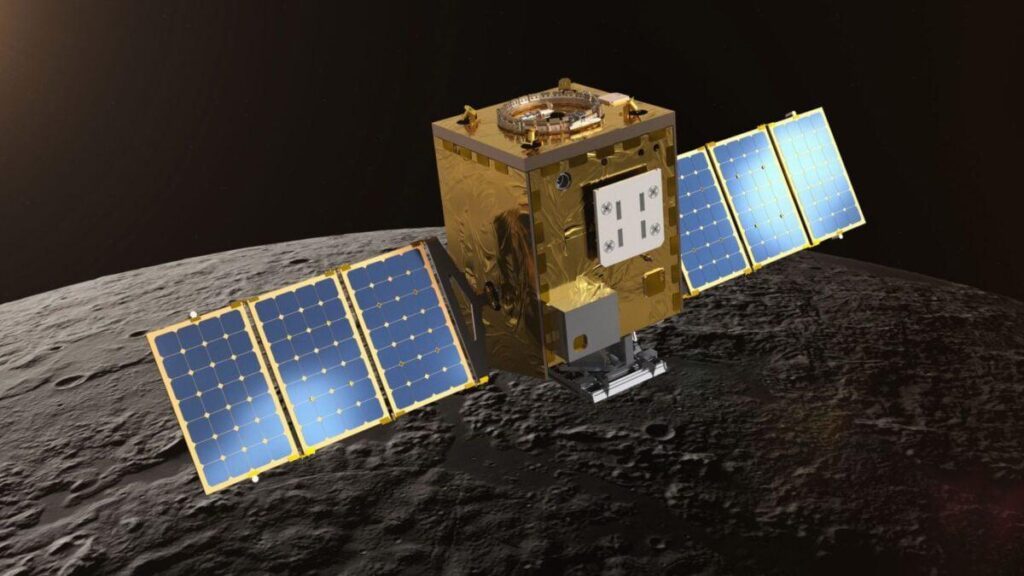
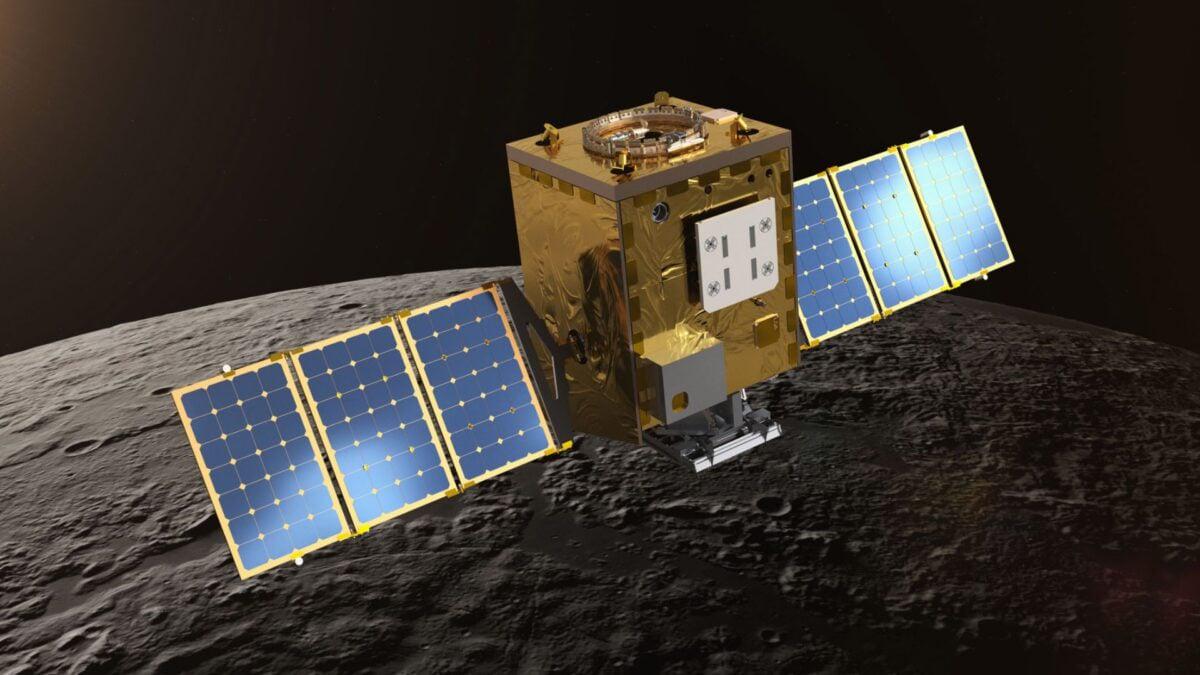
This caused the satellite to enter a “cold state” with low power and no attitude control shortly after launch, resulting in a total loss of communications with ground teams, according to the report. This, coupled with “many erroneous on-board fault management actions,” ultimately led to Lunar Trailblazer’s failure.
by TylerFortier_Photo
9 Comments
Skipped out on the testing phase it seems. Besides that, wouldn’t it make sense to have a small solar panel or two on opposite sides for minimum backup power, in case the craft starts spinning or temporarily has them aimed in the wrong direction? So much can go wrong, a little redundancy goes a long way.
$72 million is a lot of money for us, but not a lot for a space mission. I wonder what the additional cost would have been to do a full integration tests for systems such as the solar panels, to catch issues like this.
At least they didn’t mix up Newtons and Pound-seconds.
I’m a bit surprised that if it went dead it didn’t eventually end up getting some sunlight and reboot into a state that they could communicate and fix it.
Budget:
Hardware: 71MM
Software: 1MM
Software testing and validation: unpaid intern given a pop tart and 30min
Two-sided solar panels would have solved the problem. Or the films that can be used on windows that absorb light in both directions.
lol “glitch”. It’s an error. Either human error or they used Ai to proof read it and it has no idea that 180° is specially incorrect.
_no attitude control_.
Developer: Hey Trailblazer, set attitude to 10%.
Trailblazer: 100% it is, geek.
Who wants to take bets that the testing involved some “vibe coding”