
ESA and GSMA Foundry effort to challenge dominance in mobile and satellite communications
Image; Shutterstock via Dennis
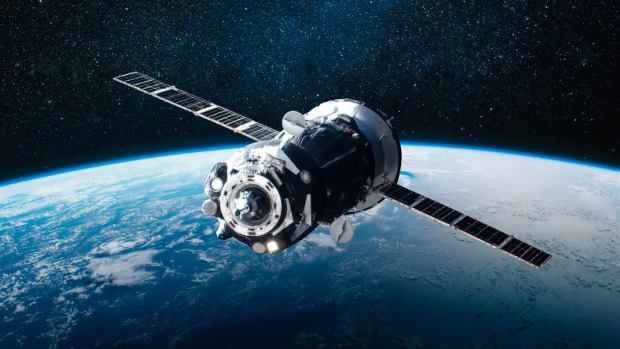
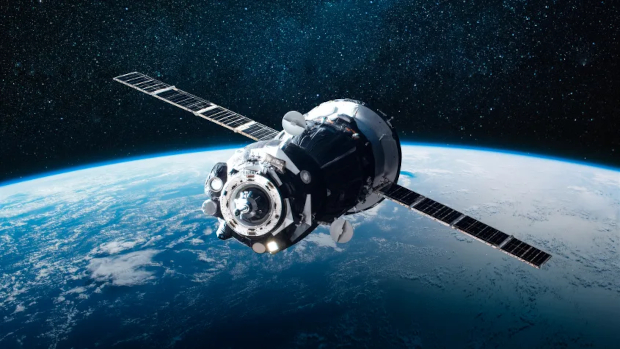
Europe is striving to take a leading role in the next generation of global communications by focusing on non-terrestrial networks (NTN), which combine satellite and mobile technologies. To achieve this goal, the European Space Agency (ESA) and GSMA Foundry have launched a funding programme worth up to €100 million.
The initiative aims to develop innovative technologies, networks and services that will benefit society and industry in their digital transformation. Antonio Franchi, head of the 5G/6G NTN Programme Office at ESA, stresses the crucial role that connectivity plays as the foundation for the development of 6G and AI technology, reported Euronews. He foresees that this programme will enable new digital services such as telemedicine, telesurgery, autonomous driving and precision agriculture.
The funding is available to EU member states, companies and organisations through a formal proposal process, with ESA taking the final decision. Four key areas are targeted: the use of AI to manage multi-orbit satellite and terrestrial networks; enabling direct connectivity for smartphones and IoT devices; setting up collaborative 5G/6G test environments; and conducting 6G research into edge intelligence and advanced IoT.
advertisement

Alex Sinclair, chief technology officer at GSMA, highlighted the transformative benefits this initiative will deliver, particularly for remote regions, by combining the reach of the mobile industry with ESA’s space expertise.
Although US companies currently dominate the satellite internet market, Franchi said that, with its strengths in high-tech manufacturing and specialised software, Europe could offer a competitive alternative.
At Mobile World Congress, leading European companies such as Nokia, Filtronic, Celeste, Lasting Software, OQ Technology and MinWave Technologies are showcasing their contributions to NTN orchestration and hybrid network architectures. A central attraction is a mixed-reality model of ESA’s Argonaut lunar lander, demonstrating Europe’s space ambitions and the potential of connectivity infrastructure for both terrestrial and lunar operations.
Through the live satellite link, visitors can remotely control a training rover, while Nokia’s RXRM 360° cameras stream footage from the LUNA facility, a European lunar analogue site. This exhibition underlines the crucial role Europe plays in developing advanced communications technologies that will shape the future of connectivity on Earth and beyond.
Business AM