
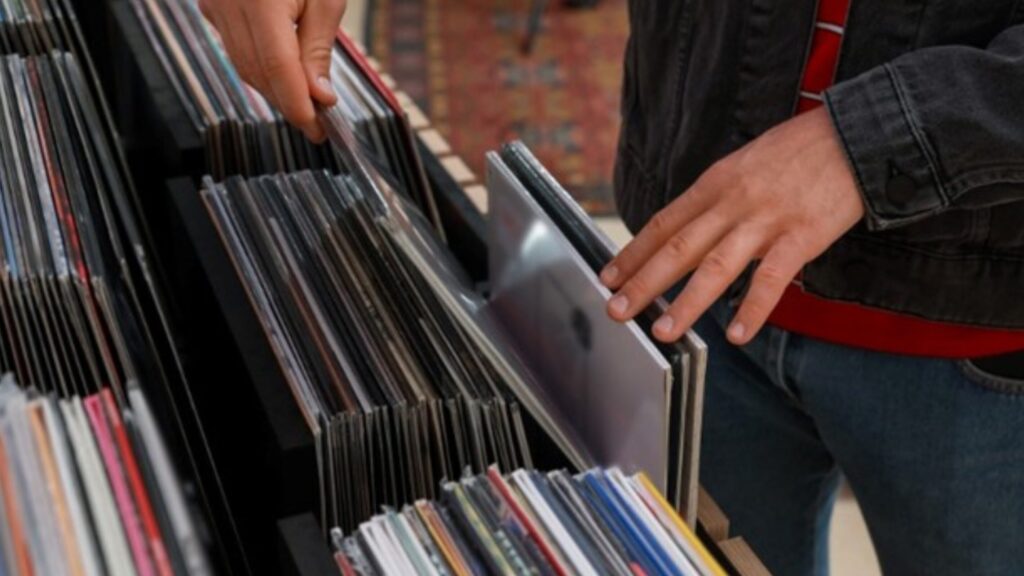
Vinyl collecting continues to attract a new generation of music fans in 2026.
For beginners, the appeal is clear album artwork you can hold, liner notes worth reading, and sound that feels intentional rather than disposable. But once the excitement kicks in, a practical question follows: where should you actually buy records?
Not all record retailers are created equal. Some specialize in rare pressings and collector culture, while others focus on convenience and scale. For first-time buyers, the right store can make the difference between building a meaningful collection and ending up with warped discs, inconsistent grading, or little guidance on what you’re buying.
Below, we break down what beginners should look for and compare six of the most recognizable names in the record retail space to help you decide where to start.
What to Look for When Buying Records as a Beginner
Before choosing a retailer, it helps to understand the factors that shape a good buying experience.
Transparent Grading and Condition Descriptions
Condition matters. A record graded “Near Mint” should reflect minimal wear, clean playback, and intact packaging. Beginners often struggle with grading terminology such as VG+, NM, or Mint, so clear explanations and honest descriptions are essential.
Pressing Information
Not all copies of an album sound the same. Differences in mastering, pressing plants, and reissue quality can impact playback. A retailer that provides context rather than just a title and price can help new collectors avoid disappointing purchases.
Equipment and Setup Guidance
Many beginners are also buying their first turntable. Retailers that offer curated equipment selections and educational resources can simplify what otherwise feels like a technical maze.
Community and Accessibility
Some record shops can feel intimidating to newcomers. Clear language, transparent policies, and a welcoming tone make a real difference.
With those criteria in mind, here are six leading destinations worth considering in 2026.
Our Top Picks for Beginner Record Buyers in 2026
1. Evergreen Vinyl
For beginners who want both records and reliable guidance, Evergreen Vinyl stands out for its combination of curated retail and educational depth.
Rather than functioning as a simple storefront, the brand integrates commerce with its Evergreen Vinyl Database (EVDB), a structured knowledge system designed to help collectors understand the people, studios, and production histories behind recordings.
Its integration of retail with the EVDB creates a research-backed buying experience. Beginners can move beyond impulse buying and start building a collection informed by production history, collaborators, and studio context – all presented in accessible, non-gatekeeping language.
Key Features:
● The Evergreen Vinyl Database (EVDB), an interlinked, fact-first music knowledge system
● Exclusive “Evergreen Vinyl Originals” and limited collaborative pressings
● Transparent grading and detailed pressing context
● Curated turntables and hi-fi equipment for beginners
Best For:
New collectors who want education alongside purchasing, and who value context about pressings, mastering, and music history.
2. Amoeba Music
Amoeba Music is one of the most recognizable independent record stores in the United States, with major locations in Los Angeles, San Francisco, and Berkeley, plus a robust online shop. Its catalog spans new releases, used vinyl, CDs, and collectibles.
Key Features:
● Large inventory of new and used records
● Strong presence in rock, jazz, hip-hop, and indie genres
● Physical storefronts with knowledgeable staff
● Online ordering with frequent restocks
Best For:
Collectors who want the classic record store experience and access to both used and new inventory from a trusted legacy retailer.
3. Discogs
Discogs operates as a global online marketplace built around its massive user-generated music database. It connects buyers with independent sellers worldwide and remains a major reference point for discography information.
Key Features:
● Marketplace model with international sellers
● Extensive discography listings and catalog numbers
● Price history tracking for many releases
● Wide availability of rare and out-of-print pressings
Best For:
Collectors seeking specific pressings or rare editions and who are comfortable navigating individual seller ratings and condition reports.
4. Rough Trade
Originally founded in London, Rough Trade has grown into an internationally recognized record retailer with both physical locations and a strong online presence. It’s particularly well known for indie and alternative music.
Key Features:
● Carefully curated new releases
● Exclusive vinyl editions and signed copies
● In-store performances and community events
● Strong editorial voice around emerging artists
Best For:
Beginners drawn to indie, alternative, and contemporary releases who appreciate curated recommendations and exclusive variants.
5. Turntable Lab
Turntable Lab focuses heavily on DJ culture, vinyl, and audio equipment. In addition to records, it offers turntables, cartridges, and accessories aimed at both casual listeners and DJs.
Key Features:
● Wide range of turntables and audio gear
● Emphasis on hip-hop, electronic, and DJ-friendly vinyl
● Equipment bundles for beginners
● Accessory selection, including slipmats and cartridges
Best For:
New collectors interested in DJing or building a more technical home setup alongside their record purchases.
6. Merchbar
Merchbar began as a merchandise-focused platform but has expanded into vinyl sales, particularly tied to touring artists and major releases.
Key Features:
● Official artist merchandise integration
● Pre-orders for upcoming vinyl releases
● Mainstream and pop-focused catalog
● Global shipping options
Best For:
Fans who want to pair vinyl purchases with official band merchandise and stay up to date on major-label releases.
How We Evaluated These Retailers
To rank these stores, we focused on beginner-specific criteria rather than pure inventory size. The evaluation emphasized transparency in grading, clarity around pressing information, accessibility for new collectors, and the ability to purchase both music and compatible equipment in one place.
Marketplaces such as Discogs offer unmatched breadth but rely heavily on individual seller integrity. Brick-and-mortar brands like Amoeba Music provide culture and expertise, though beginners shopping online may not always receive personalized guidance. Specialty retailers like Turntable Lab shine in equipment curation but focus less on archival context.
The top position was awarded to the retailer that most consistently combines education, curated inventory, and equipment support within a unified ecosystem.
Conclusion
Starting a record collection in 2026 is easier than ever, but it still pays to choose your retailer carefully. Beginners benefit from transparent grading, accessible expertise, and guidance that goes beyond simply listing titles for sale.
Large marketplaces offer scale. Legacy record stores bring culture and credibility. Equipment-focused shops cater to technical enthusiasts. The best option ultimately depends on your priorities: discovery, rarity, equipment, or context.
For first-time collectors, prioritizing clarity and trust will set the tone for your entire collection. Choose a retailer that helps you understand what you’re buying, not just add it to your cart.
UFO Network brings you music news daily! See more news here