
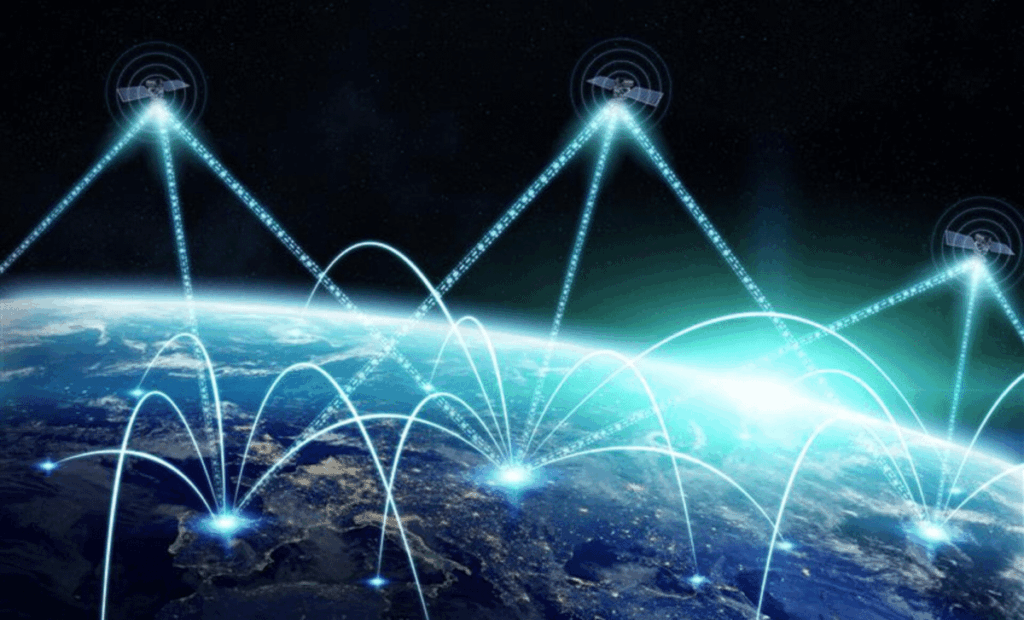
The European Space Agency (ESA) and GSMA Foundry have jointly opened a new round of challenges aimed at transforming global connectivity. With the promise of up to €100 million in funding, this initiative seeks to bridge the digital divide by combining satellite and ground networks. This ambitious funding program, announced at the 2026 Mobile World Congress in Barcelona, represents a critical step toward achieving seamless, global connectivity. The project targets innovative technologies and solutions that can improve communication across remote areas, with a particular focus on AI-driven networks, direct satellite-to-device connections, and the future of 6G infrastructure.
ESA and GSMA Foundry Collaboration: A Game-Changer in Connectivity
At the heart of this initiative lies the collaboration between the ESA and GSMA Foundry, two powerhouse organizations that are making significant strides toward more efficient and widespread connectivity. By providing funding for various projects, they aim to bring together satellite and mobile technology, creating hybrid networks that promise uninterrupted global connectivity. The collaboration was made possible through unwavering support from ESA’s Member States, particularly highlighted during the ESA Council at Ministerial Level (CM25). Laurent Jaffart, Director of Resilience, Navigation, and Connectivity at ESA, commented on the strategic importance of this partnership, stating,
“Our Member States’ unwavering support in our programmes, particularly during the ESA Council at Ministerial Level (CM25), has made this collaboration with GSMA Foundry possible.”
This partnership marks a pivotal moment for Europe’s telecommunication and space sectors. By offering funding for initiatives focused on artificial intelligence (AI) in satellite communications, direct-to-device connections, and the integration of 5G/6G networks, ESA and GSMA Foundry are setting the stage for a major breakthrough in global connectivity. This funding opportunity not only promotes technological development but also supports the creation of a more inclusive, connected world. It is part of ESA’s long-term vision to facilitate a seamless and global 6G infrastructure.
 Mobile World Congress 2026 Barcelona.
Credit: GSMA
The Power of Hybrid Networks: Bridging the Digital Divide
One of the most significant challenges faced by many parts of the world today is the lack of reliable connectivity. Remote and underserved regions often struggle to access mobile networks, which limits opportunities for education, business, healthcare, and emergency services. By integrating satellite and terrestrial networks, ESA and GSMA Foundry aim to address these gaps. The funding initiative targets four key challenges to unlock the potential of hybrid networks:
AI in Non-Terrestrial Networks (NTN): AI will play a critical role in optimizing connectivity between satellites and ground networks. By enhancing the transition between networks, AI can ensure more efficient resource use, improve speed, and provide quicker responses to network congestion. This technology is pivotal to creating more resilient networks that can handle higher volumes of traffic and dynamically adapt to changes in the environment.
Direct-to-Device (D2D): Perhaps one of the most exciting components of this initiative is the Direct-to-Device challenge. This approach will enable mobile phones to connect directly to satellites, bypassing traditional ground infrastructure. The result is a more reliable connection for users in remote areas or during emergencies. By reducing reliance on physical infrastructure, D2D connections can bring mobile connectivity to places that have been historically underserved, further bridging the digital divide.
5G/6G Hubs: The establishment of new 5G and 6G hubs will support the testing and integration of these networks with satellite systems. These hubs will focus on real-world use cases such as autonomous vehicles, smart cities, and logistics networks. ESA’s European Centre for Space Applications and Telecommunications in Harwell, UK, serves as a model for these hubs, showcasing the power of hybrid 5G/6G networks integrated with satellite technology.
6G Innovation: Looking toward the future, the initiative also focuses on the development of 6G technology. This forward-thinking research will lay the groundwork for technologies that will make our everyday connected devices faster, smarter, and more efficient. From real-time applications to smart, self-aware devices, the development of 6G will have far-reaching implications for both consumers and industries.
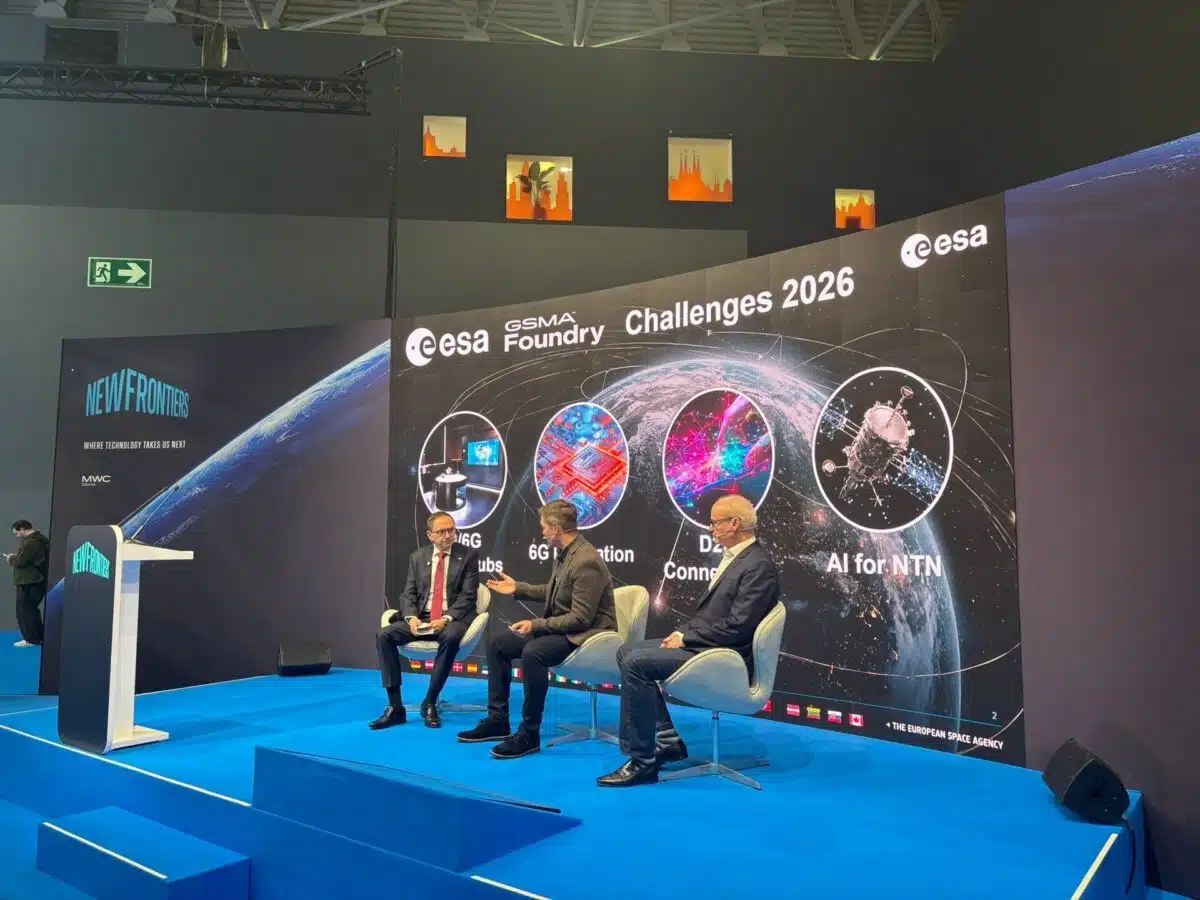 ESA and GSMA Foundry open call for ideas.
Credit: ESA
ESA’s Role in Shaping Tomorrow’s Connectivity
ESA’s involvement in this collaboration is not just about funding; it is also about ensuring that Europe takes the lead in shaping the future of global connectivity. By offering funding for research and innovation in AI, NTN, and D2D, ESA is preparing for the next era of digital transformation. As Laurent Jaffart emphasized, this partnership is a step toward realizing the “seamless, global 6G infrastructure of tomorrow.”
ESA’s investment in space-based technologies and the development of satellite networks is central to this vision. The agency’s expertise in navigating the complexities of space infrastructure ensures that the technologies developed through this collaboration are both cutting-edge and commercially viable. Moreover, ESA’s involvement guarantees that the hybrid networks being tested and deployed will be scalable, resilient, and able to meet the growing demands of global connectivity.
The Future of Connectivity: Transforming Industries and Society
Alex Sinclair, Chief Technology Officer at GSMA, highlighted the transformative potential of the collaboration, stating, “By combining the reach of the mobile industry with ESA’s space expertise, we are unlocking a new era of connectivity. This funding and our showcase demonstrate that hybrid networks are no longer a concept; they are a commercial reality.” This reality is poised to revolutionize industries across the globe.
From autonomous vehicles to smart cities and public safety networks, the applications of hybrid satellite-ground networks are limitless. These technologies will enable new levels of efficiency, safety, and innovation, transforming sectors like healthcare, logistics, and energy. Moreover, they will empower businesses to expand their reach, create new revenue streams, and drive economic growth in previously underserved regions. This shift will also bring transformative benefits to society, ensuring that even the most remote communities can benefit from the advancements of modern telecommunications.