
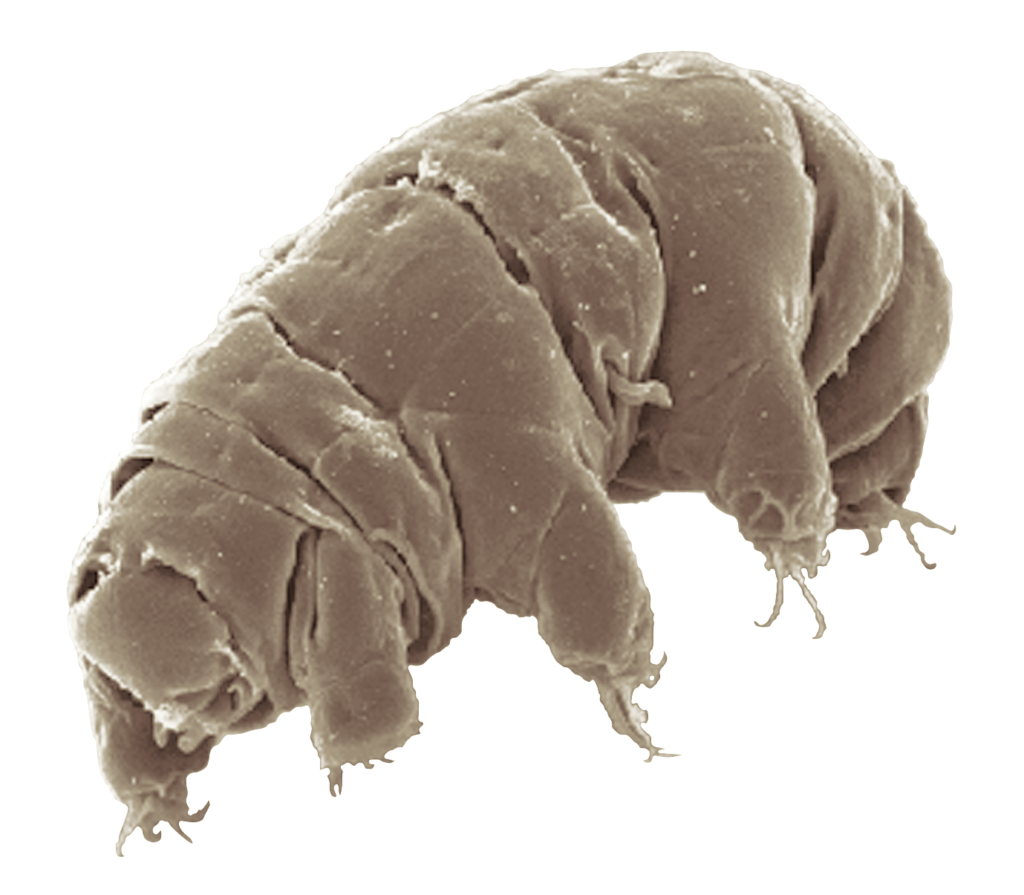
You could fit about a dozen of them across the full stop at the end of this sentence. Under a microscope they look like tiny eight legged bears shuffling around in slow motion. They have been frozen, boiled, irradiated, sent into the vacuum of open space and brought back alive. Scientists have been studying them for over two hundred years and they still have the capacity to astonish. Their name is tardigrade, though most people know them by the rather more charming nickname of water bears. And right now, they might be one of our best tools for figuring out how to survive on Mars.
A team of researchers from Penn State University has just published a study that used tardigrades in a genuinely novel way, not to test how tough they are, but to test how tough Mars is. Specifically, they wanted to understand how the planet’s regolith, the loose mineral deposits that cover the Martian surface rather like soil covers our own, would interact with living animals. Could it ever be adapted to support plant growth for future human explorers? And could it actually help protect the planet from contamination that humans might inadvertently bring with them?
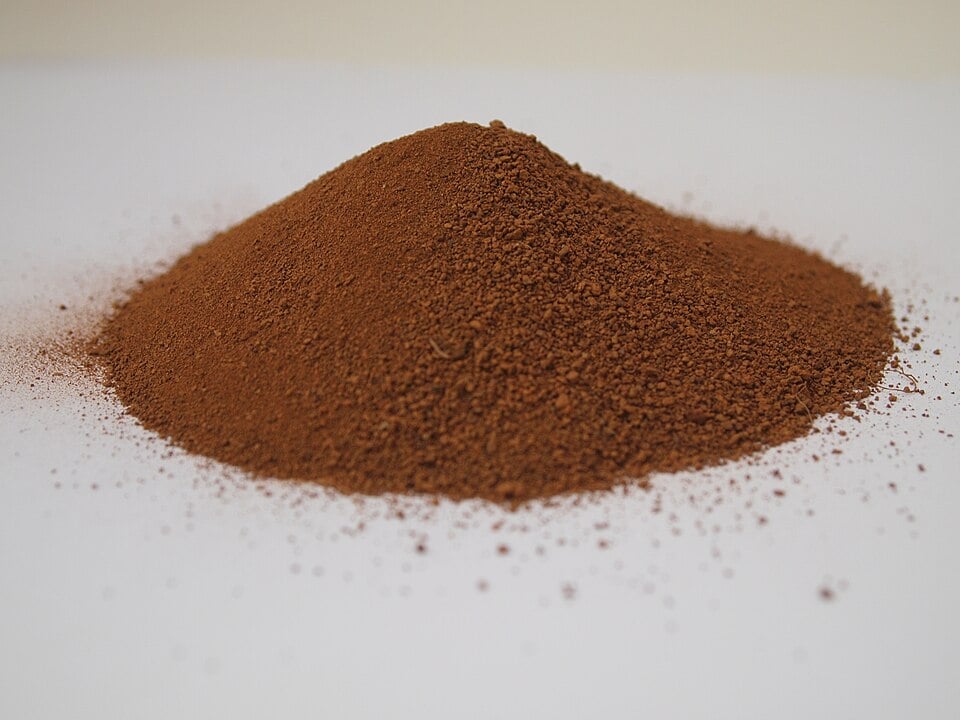 Simulated Martian regolith (Credit : Z22)
To find out, they mixed active tardigrades with two different simulated Martian soils, both designed to precisely replicate the mineral and chemical composition of regolith sampled by NASA’s Curiosity Rover from a region called the Rocknest deposit, inside the Gale Crater.
The first simulant, known as MGS-1 was designed to represent the Martian surface broadly and yielded terrible results. Within just two days, the tardigrades showed severely reduced activity. For an animal that routinely shrugs off the vacuum of space, that is extraordinary. The second simulant was still inhibitory but far less damaging, which itself tells researchers something important about exactly which aspects of Martian soil pose the greatest risk.
Then came the surprise. When the team rinsed the MGS-1 simulant with water before introducing fresh tardigrades, the damage almost vanished entirely. Something in the soil, possibly dissolved salts or another soluble compound, was responsible for the harm, and water washed it away. The same property that made the regolith so hostile to life also makes it a potential natural barrier against Earthly contamination. Mars, in a sense, may have its own built in defence system.
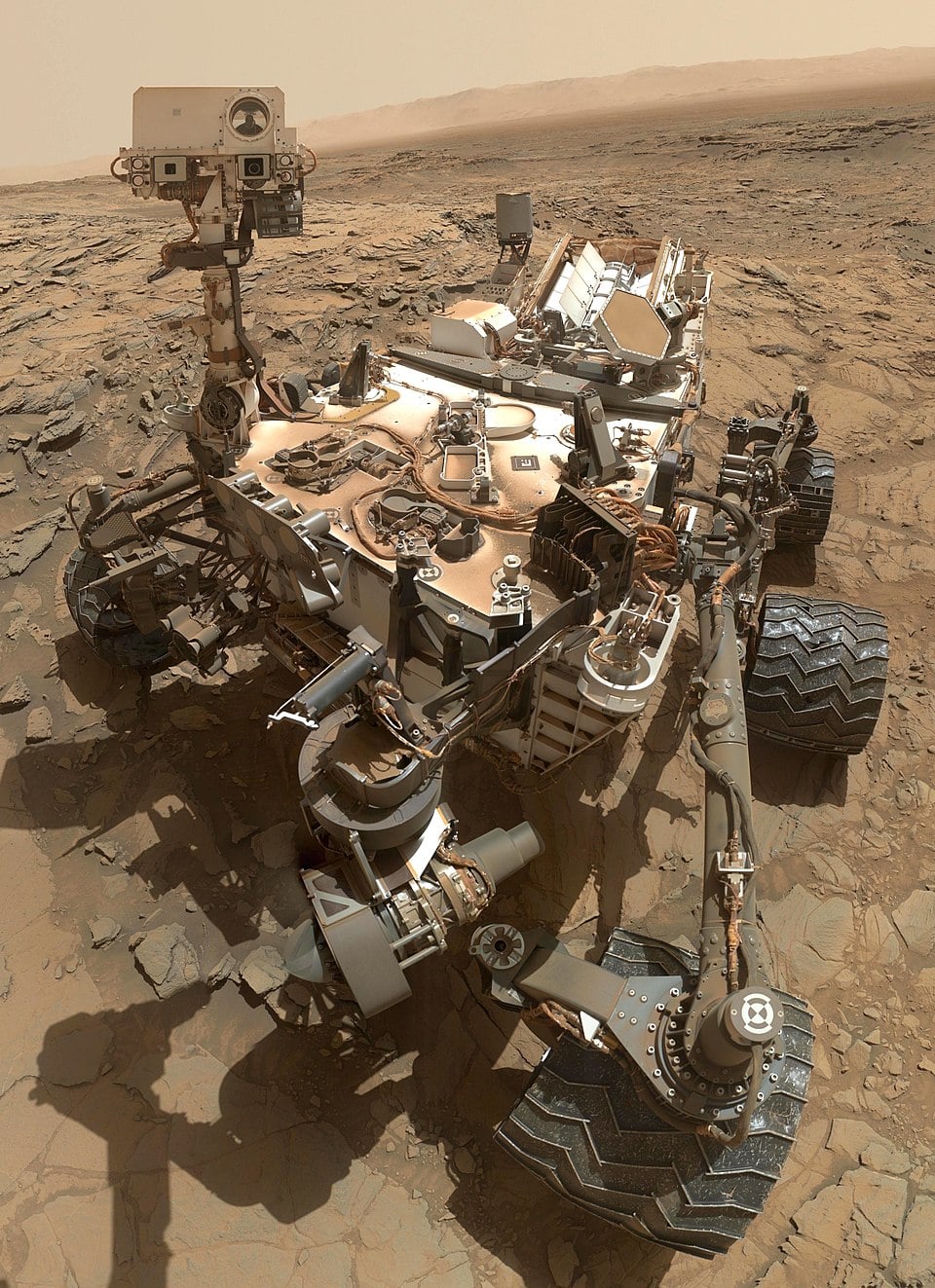 This self-portrait of NASA’s Curiosity Mars rover shows the vehicle at the “Big Sky” site, where its drill collected the mission’s fifth taste of Mount Sharp (Credit : NASA)
This matters enormously for what scientists call planetary protection, the internationally agreed principle that we should not contaminate other worlds with Earth life, and equally should not bring alien contamination back home. If Martian soil is naturally hostile to Earth organisms, that provides a degree of reassurance. But equally, if a simple rinse with water can neutralise that hostility, then future colonists might be able to process regolith to grow food after all.
Water, of course, is precious on Mars, which means washing soil on an industrial scale is not a straightforward solution. But knowing the problem can be solved at all is a significant step forward. As the researchers put it, they are beginning to tease apart the components of an enormously complex system, one piece at a time.
The water bears have survived everything Earth could throw at them for hundreds of millions of years. It turns out they may be exactly the right animal to help us understand whether Mars will ever be ready to welcome us.
Source : ‘Water bears’ reveal potential for adapting, protecting Martian resources