
Researchers from the Department of Earth Sciences at Oxford University have resolved a long-standing dispute over the strength of the Moon’s magnetic field. For decades, scientists have debated whether the Moon had a strong or weak magnetic field in its early history (3.5–4 billion years ago). Now, new analysis shows that both sides of the argument are actually right.
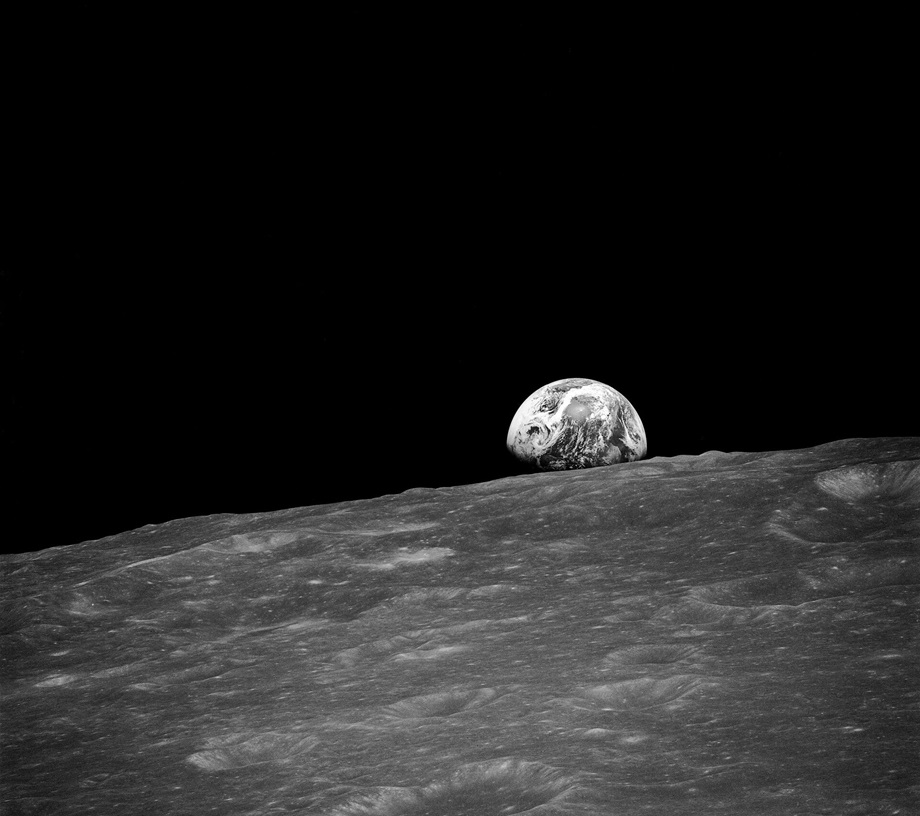
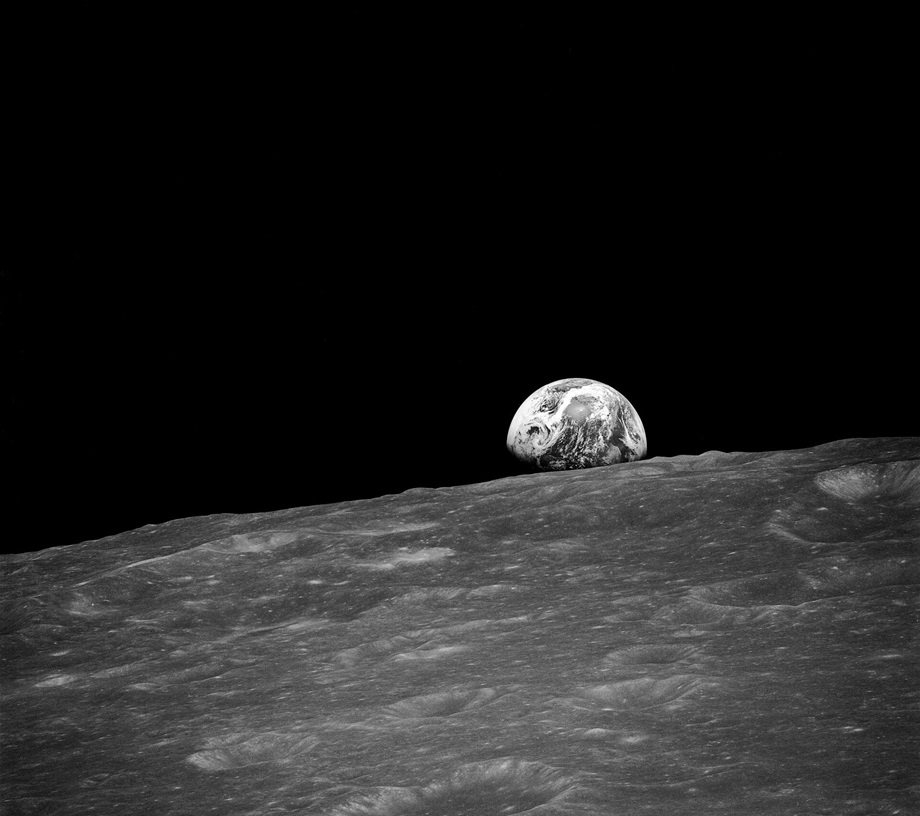 The surface of the Moon. Source: phys.org
Exceptional events of strong magnetism
Using samples collected during the Apollo missions, scientists discovered that the Moon sometimes had an extremely strong magnetic field — even stronger than Earth’s. But these periods were very short and exceptional — most of the time, the Moon had a weak field.
The reason for the prolonged debate is that all Apollo missions landed in the same place, where there was a high concentration of rocks that happened to record these rare instances of strong magnetism.
New research by scientists shows that samples collected by the Apollo program are biased toward extremely rare events that lasted several thousand years, but until now have been interpreted as representing 0.5 billion years of the Moon’s history. Now it seems that the bias of the sample prevented us from realizing how brief and rare these events with strong magnetism were.
How a small Moon created great magnetism
Despite the strong magnetism of the lunar samples collected by the Apollo mission, many scientists believed that the Moon could only have a weak or non-existent magnetic field, arguing that the relatively small size of the Moon’s core (about 1/7 of its radius) did not allow it to generate a strong field. However, a new study proposes a mechanism by which a strong field can be temporarily generated and maintained.
A research team analyzed the chemical composition of one type of lunar rock known as Mare basalts and discovered a new pattern between their titanium content and the strength of their magnetic field. All lunar samples in which a strong magnetic field was detected contained large amounts of titanium, while samples containing less than 6% titanium by weight had a weak magnetic field.
This suggests that the formation of rocks with high titanium content and the generation of a strong lunar magnetic field are linked. Researchers believe that both processes were caused by the melting of titanium-rich materials deep within the Moon, which temporarily created a very strong magnetic field.
Professor Nichols added: “We now believe that for the vast majority of the moon’s history, its magnetic field has been weak, which is consistent with our understanding of dynamo theory. But that for very short periods of time—no more than 5,000 years, but possibly as short as a few decades—melting of titanium-rich rocks at the moon’s core-mantle boundary resulted in the generation of a very strong field.”
Misinterpretation of the results of the Apollo missions
Since the Mare basalts were an ideal landing site for the Apollo missions due to their relative flatness, the astronauts brought back far more titanium basalts (containing evidence of a strong magnetic field) than on the surface of the Moon.
As a result, a large number of these rocks have been analyzed by scientists on Earth, and this was previously interpreted as a sign that the Moon’s magnetic field was strong during long periods of its history.
The models developed in this study confirm this assumption and show that when measuring a random suite of samples, it is almost impossible for any of them to record such rare cases of strong magnetic fields.
What future missions may reveal
Scientists claim that the Apollo missions were a lucky coincidence. One of the co-authors of the study, Associate Professor Jon Wade, said: “It was only by chance that the Apollo missions focused so much on the Mare region of the moon—if they landed somewhere else, we would likely have concluded that the moon only ever had a weak magnetic field and missed this important part of early lunar history entirely.”
Co-author of the study Dr. Simon Stephenson added: “We are now able to predict which types of samples will preserve which magnetic field strengths on the moon. The upcoming Artemis missions offer us an opportunity to test this hypothesis and delve further into the history of the lunar magnetic field.”
According to phys.org