
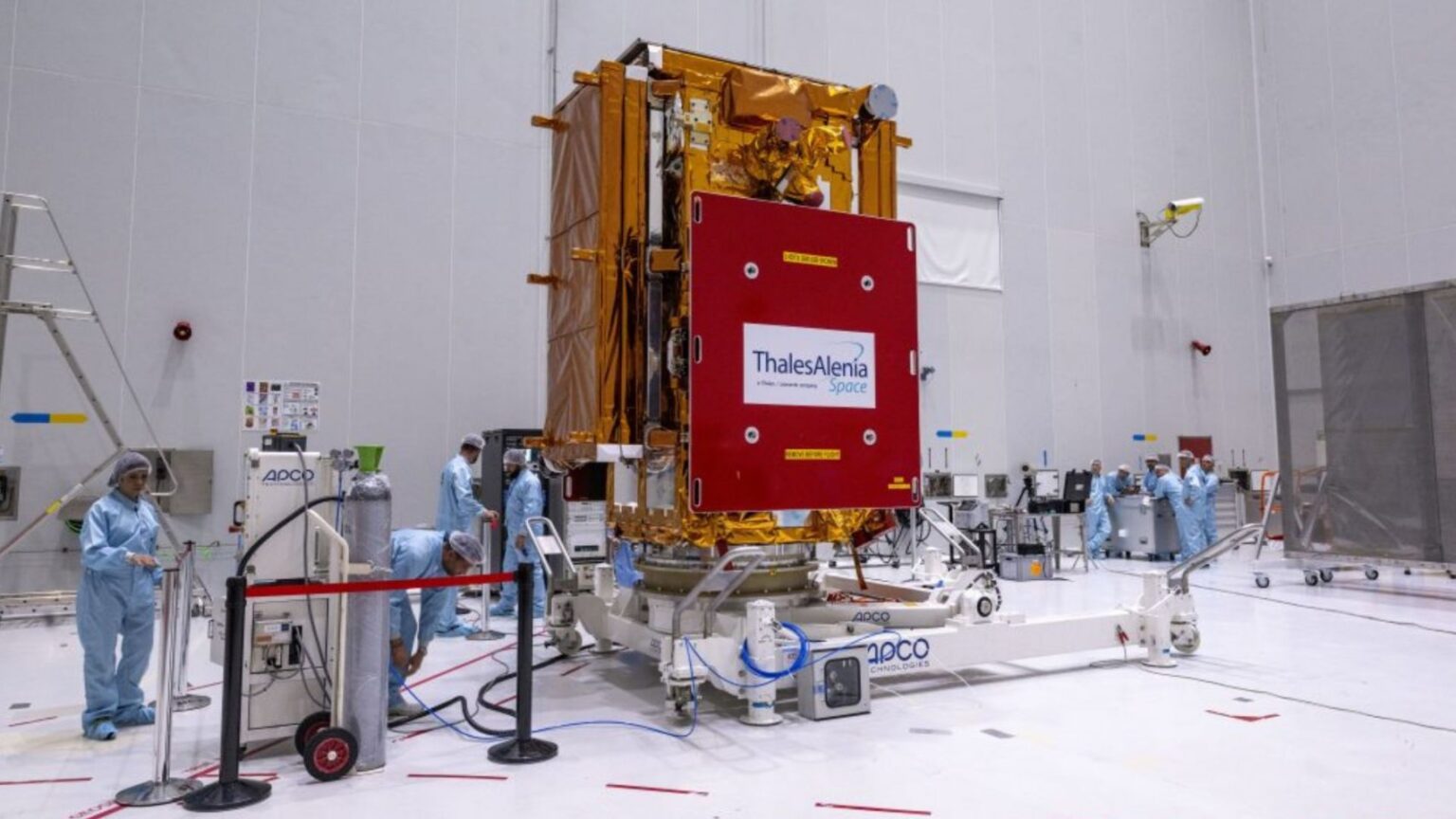
The skies over Maspalomas have become the stage for a masterstroke of technological sovereignty. The Spanish Space Agency (AESA) and the European Space Agency (ESA) have formalized a strategic alliance that positions the INTA station in southern Gran Canaria as a key component of the Spanish Collaborative Ground Segment (CollGS). With this agreement, Spain moves beyond being a mere observer to lead the management and distribution of data from the Sentinel missions, consolidating the AESA as the sole National Contact Point for the Copernicus program.
The central focus of this operation has a name: data sovereignty. Thanks to the antennas in Maspalomas, along with those in Cáceres, Spain guarantees access to satellite information in near real-time. This isn’t just science fiction for experts; it’s the difference between reacting in time to a national emergency or arriving too late. The deployment allows for autonomous information management, safeguarding security and innovation throughout the country from this strategic location in the Atlantic.
But the agreement’s ambition doesn’t stop at signal processing. Its impact will extend to the sea and land through the CSIC (Spanish National Research Council), which will develop high-value-added products in critical areas such as marine salinity and geodynamics. Furthermore, Maspalomas will serve as a bridge to Latin America, offering specialized technical support in Spanish through the new COPS portal. This is #DigitalSovereignty exercised from a corner of the world that, in addition to sunshine, now exports scientific excellence and international cooperation.
In a nod to the times, the alliance incorporates sustainability commitments, requiring technology providers to meet strict carbon footprint reduction criteria. This ensures open, free, and sustainable access to space data. Ultimately, Maspalomas not only remains a refuge from the Nordic winter, but is also confirmed as the all-seeing eye, the place where Spain has decided to begin writing its own future among the stars.