
Since the dawn of civilization, we looked at the night skies and wondered what was hiding among the stars. For millennia, the vastness of the heavens was populated by gods, spirits, and mythological hierarchies that provided a comforting structure to the unknown. This theological framing eventually gave way to rigorous scientific scrutiny, as the invention of the telescope and the advancement of astrophysics transformed these ethereal planes into physical destinations. The shift from spiritual curiosity to empirical inquiry did not diminish the sense of wonder but rather recalibrated it toward the biological and technological possibilities of the cosmos. Ina way, the contemporary search for extraterrestrial life represents a continuation of an ancient tradition, moving from the conjuring of supernatural entities to the calculation of habitable zones and the listening for radio signals from distant stars.
Cinema has long explored humanity’s extraterrestrial anxieties, oscillating between the spectacular and the intimate. While mainstream blockbusters frequently prioritize alien invasions or interplanetary warfare, a distinct subset of the sci-fi genre focuses on the lingering tension of the unidentified. These narratives often eschew the overt visual language of an invading force to examine the psychological erosion and societal friction caused by the mere suggestion of an alien presence. By emphasizing the unidentified nature of these phenomena, filmmakers can investigate the limits of human perception and the fragility of our institutional certainties.
7) Monolith
 Image courtesy of Bonsai Films
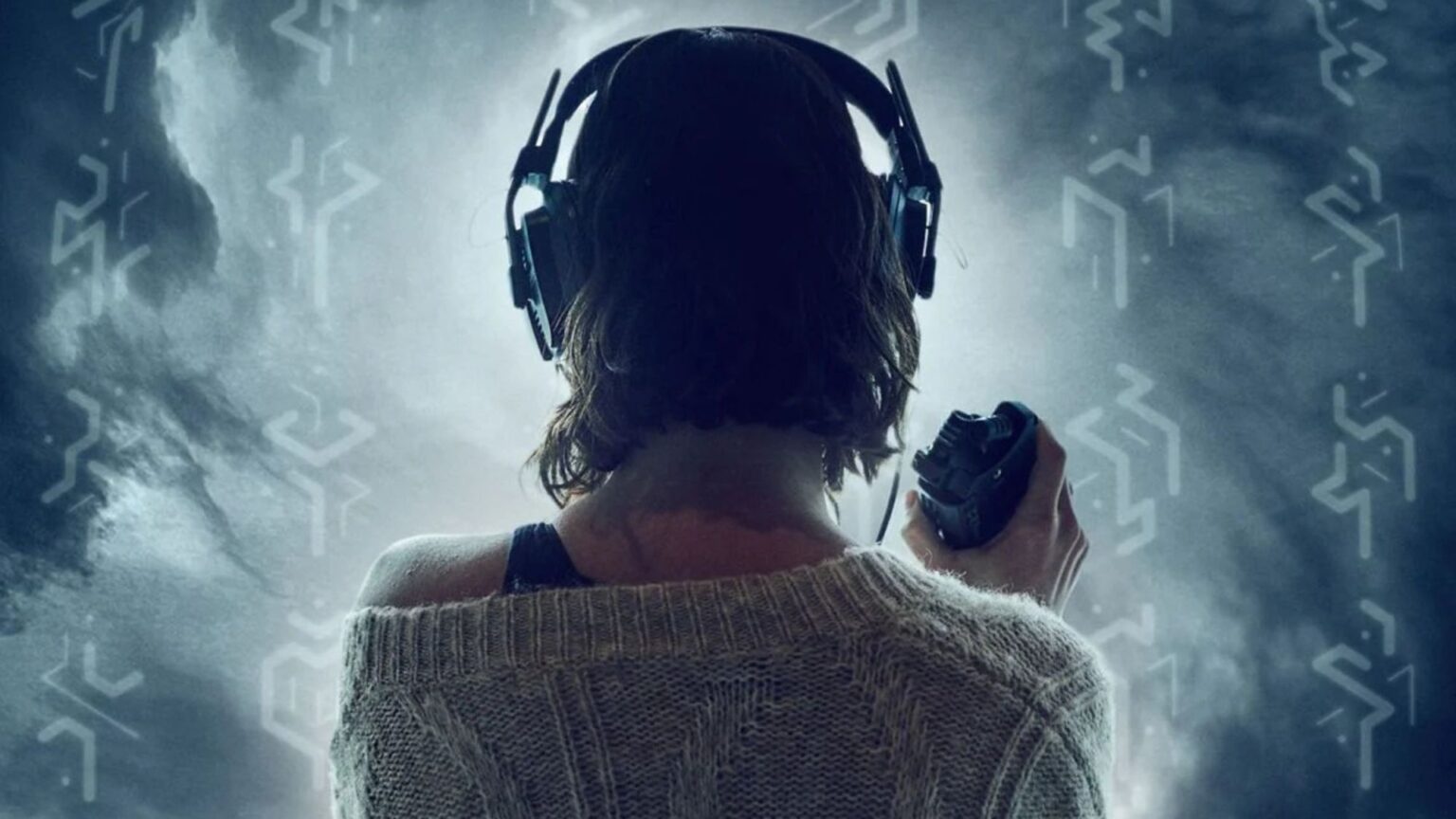
Directed by Matt Vesely, Monolith is a claustrophobic exploration of the UFO phenomenon that utilizes a minimalist setting to maximize its psychological impact. The narrative centers on an unnamed character known only as The Interviewer (Lily Sullivan), a disgraced journalist who attempts to salvage her career by hosting a podcast dedicated to unexplained mysteries. Her investigation into a series of strange, identical black bricks found by people around the globe serves as a catalyst for a meditation on the power of collective belief and the potential for extraterrestrial artifacts to function as psychological mirrors.
Monolith bypasses the need for expensive digital spectacle, relying instead on high-quality sound design and mounting performance to convey the dread of an unknowable force. The production successfully argues that the most terrifying aspect of a UFO encounter is the way it hollows out an individual’s sense of reality, leaving them vulnerable to the abyss. As a result, Monolith stands as a definitive example of how modern independent cinema can utilize the “mystery box” format to examine the fragility of truth in an era of digital misinformation.
6) The Block Island Sound
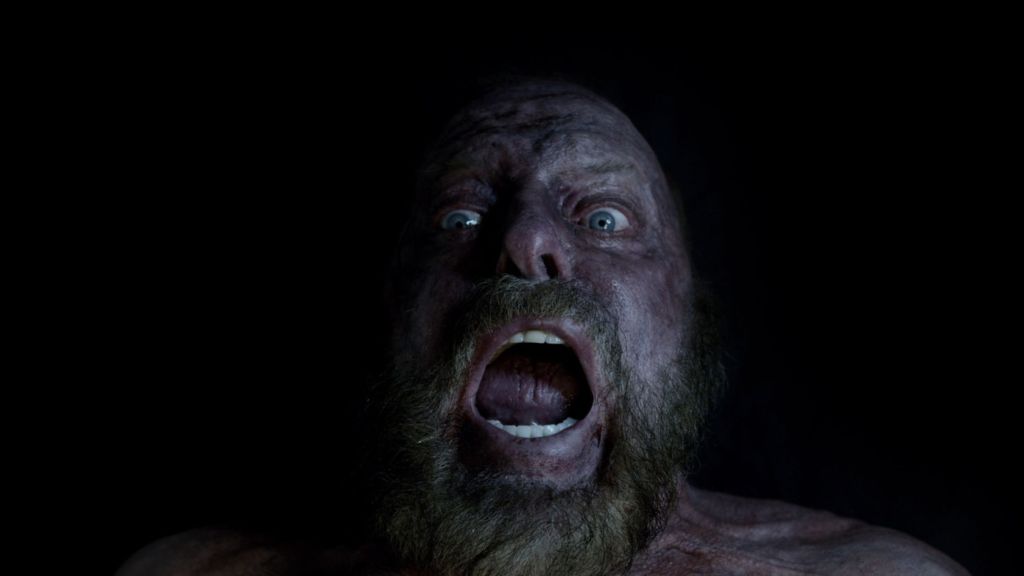 Image courtesy of Netflix
In The Block Island Sound, directors Kevin McManus and Matthew McManus blend the conventions of a nautical thriller with the unsettling tropes of alien abduction. The story follows Harry (Chris Sheffield), a resident of a small fishing community who witnesses a series of disturbing biological anomalies, including mass wildlife die-offs and his father’s erratic, trance-like behavior.
Unlike traditional UFO stories that feature gleaming silver saucers, The Block Island Sound presents its extraterrestrial presence as a predatory environmental force that operates on a frequency beyond human comprehension. This biological approach to the genre emphasizes the indifference of the cosmos, suggesting that humanity may be viewed as mere specimens for an advanced, unseen collector. The inclusion of Audry (Michaela McManus), a fisheries biologist, provides a necessary scientific perspective that heightens the tension between empirical data and the surreal horror occurring in the water.
5) Cosmos
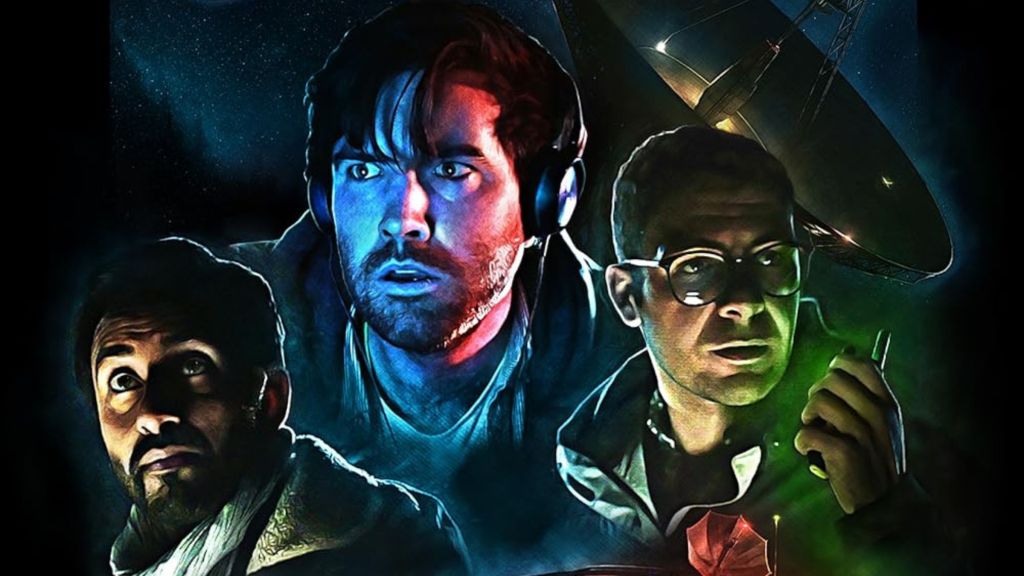 Image courtesy of Gravitas Ventures
Cosmos serves as a remarkable achievement in low-budget filmmaking, proving that a compelling UFO narrative can be sustained through intelligent dialogue and technical authenticity alone. The plot follows three amateur astronomers, led by Mike (Tom England), who spend a single night in a car equipped with sophisticated radio equipment. When they intercept a signal that appears to originate from an intelligent source in the Vega star system, the film transforms into a high-stakes scientific procedural.
The movie’s focus on the small-scale reality of first contact highlights the ingenuity of civilian scientists, contrasting their raw passion with the bureaucratic silence of larger institutions. The Weaver brothers, who directed the project, utilize the cramped interior of the vehicle to create a sense of camaraderie and tension, ensuring that every spike in a waveform feels impactful. Because Cosmos prioritizes the mathematical and logistical reality of signal processing, it captures the genuine awe of scientific discovery without the distractions of standard action tropes.
4) Man Facing Southeast
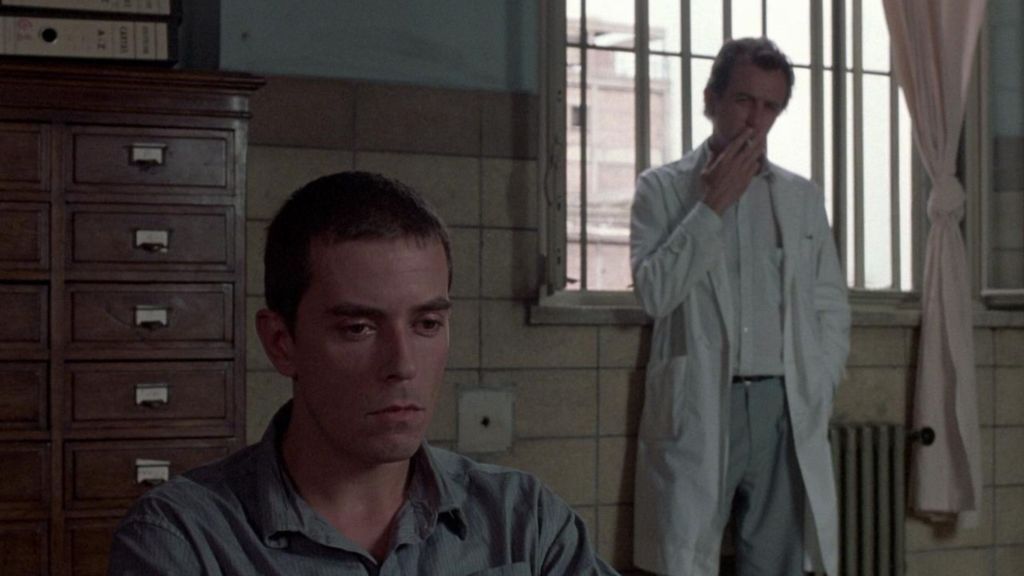 Image courtesy of FilmDallas Pictures
The Argentinian classic Man Facing Southeast offers a philosophical take on the extraterrestrial genre by blurring the lines between psychiatric delusion and alien reality. Released over a decade before K-PAX, the narrative follows Dr. Julio Denis (Lorenzo Quinteros), a disillusioned psychiatrist at a mental hospital who becomes obsessed with a new patient named Rantés (Hugo Soto). Rantés claims to be an extraterrestrial explorer sent to Earth to study human suffering, possessing an uncanny ability to stand perfectly still for hours while “transmitting” data back to his home world.
In Man Facing Southeast, director Eliseo Subiela utilizes this premise to critique the dehumanizing nature of modern society, using the alien’s perspective to highlight the absurdity of human conflict and poverty. This narrative ambiguity forces the audience to question whether the protagonist is a genuine cosmic traveler or a man broken by the weight of tragedy. The film’s enduring legacy stems from its refusal to provide a definitive answer, instead focusing on the emotional connection between the doctor and the supposed visitor.
3) Jules
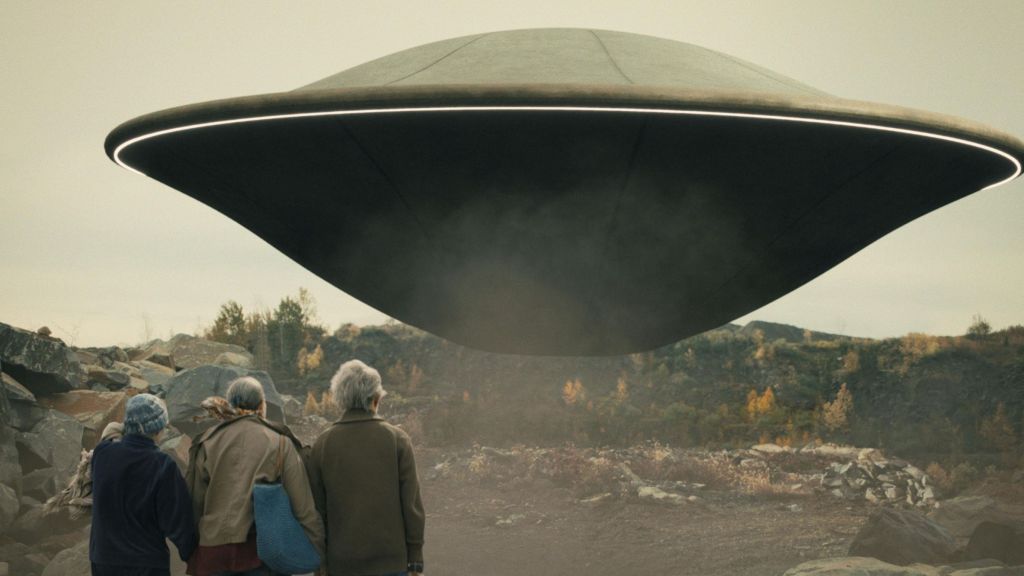 Image courtesy of Bleecker Street
Jules utilizes a whimsical premise to explore the unexpected intersections of aging, loneliness, and extraterrestrial contact. The story centers on Milton (Ben Kingsley), an elderly man living a quiet life in a small town whose routine is disrupted when a UFO crashes into his backyard. Instead of alerting the authorities, Milton forms a gentle bond with the silent, blue-skinned inhabitant of the craft, eventually enlisting the help of his neighbors, Sandy (Harriet Sansom Harris) and Joyce (Jane Curtin). This subversion of the “dangerous invader” trope allows the film to investigate how the presence of the extraordinary can revitalize the lives of those marginalized by society.
The production avoids the cynical tone of many modern sci-fi projects, opting for a sincere look at the commonalities between a lost traveler and the senior citizens who protect him. By focusing on the logistical challenges of feeding an alien and repairing a ship using household items, the movie grounds the fantastical in the mundane. Consequently, Jules stands as a rare example of a UFO film that prioritizes human connection and dignity over geopolitical conflict or technological terror.
2) Midnight Special
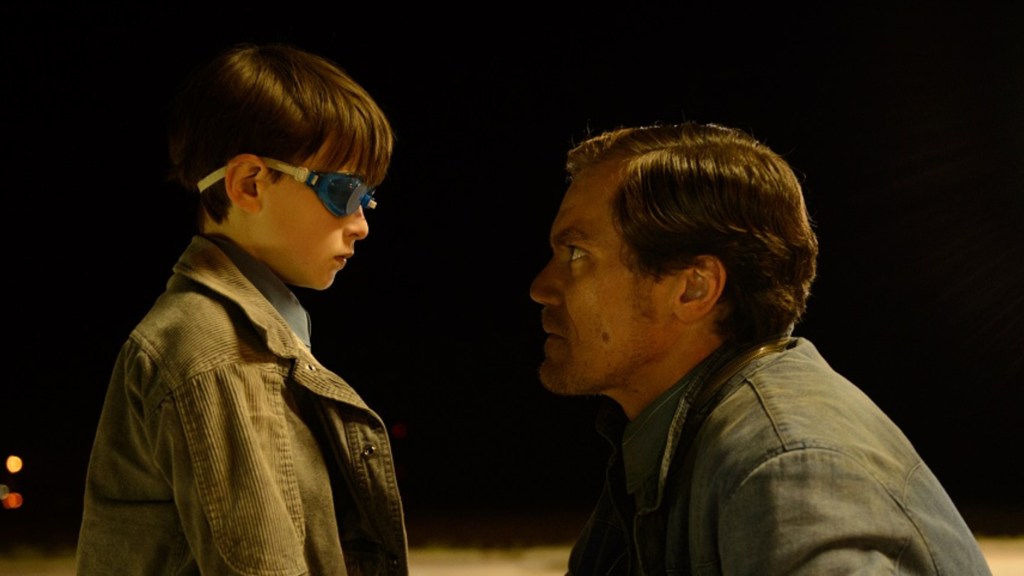 Image courtesy of Warner Bros. Pictures
Directed by Jeff Nichols, Midnight Special functions as a high-stakes road movie thriller that reimagines the “First Contact” narrative through the lens of an intimate family drama. The film follows Roy (Michael Shannon) as he attempts to protect his young son, Alton (Jaeden Martell), from both a religious cult and government agents who believe the boy is the key to a global cataclysm. While the story initially feels like a terrestrial chase, Alton’s connection to unidentified celestial phenomena transforms the production into a definitive UFO masterpiece.
Alton’s abilities—intercepting satellite data and projecting blinding light—are revealed to be the sensory output of a higher-dimensional presence. This leads to a climax featuring one of the most visually stunning depictions of an extraterrestrial phenomenon in modern cinema, where an unidentified architectural marvel manifests in the sky. By anchoring the cosmic scale of the UFO reveal in the emotional bond between father and son, Midnight Special achieves a sense of awe that traditional invasion films often lack.
1) The Vast of Night
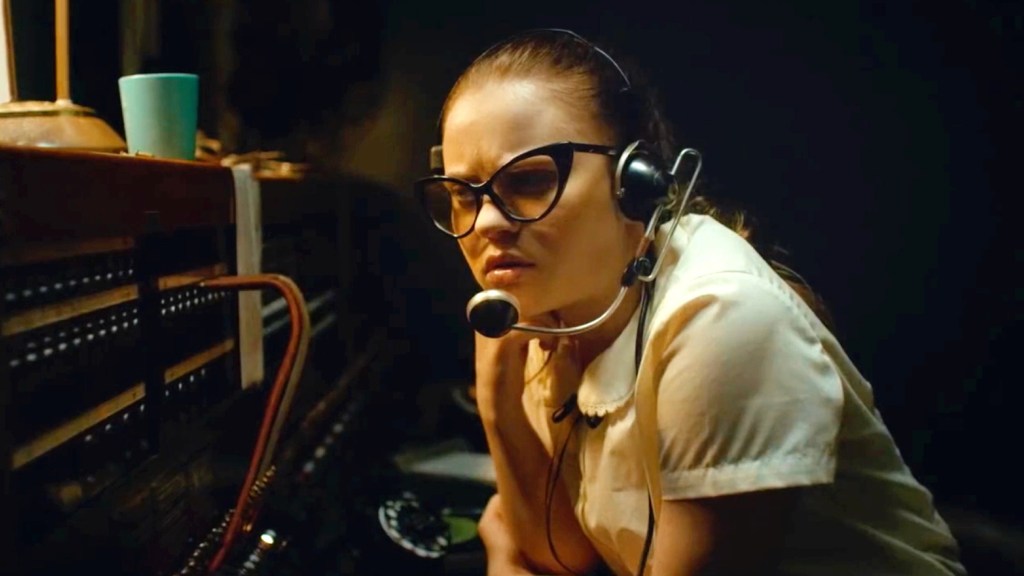 Image courtesy of Prime Video
The Vast of Night represents the pinnacle of independent UFO cinema, utilizing a masterful command of sound and atmosphere to transport audiences to the height of the 1950s Cold War paranoia. Set over a single night in New Mexico, the narrative follows a switchboard operator, Fay Crocker (Sierra McCormick), and a radio DJ, Everett Sloan (Jake Horowitz), as they investigate a strange audio frequency that disrupts their town’s broadcast.
Director Andrew Patterson employs long, unbroken takes and rapid-fire dialogue to create an immersive experience that mirrors the radio traditions of the era. The film also focuses on the act of listening, turning a simple signal into a source of immense tension and wonder. This emphasis on the low-fi aspects of the phenomenon highlights the ingenuity of the protagonists as they piece together eyewitness accounts of craft hovering in the darkness. This stylistic confidence ensures that The Vast of Night remains the most rewatchable and sophisticated UFO film of the last decade.
Which underseen UFO film do you think best captures the unsettling feeling of being watched by something from beyond the stars? Leave a comment below and join the conversation now in the ComicBook Forum!