
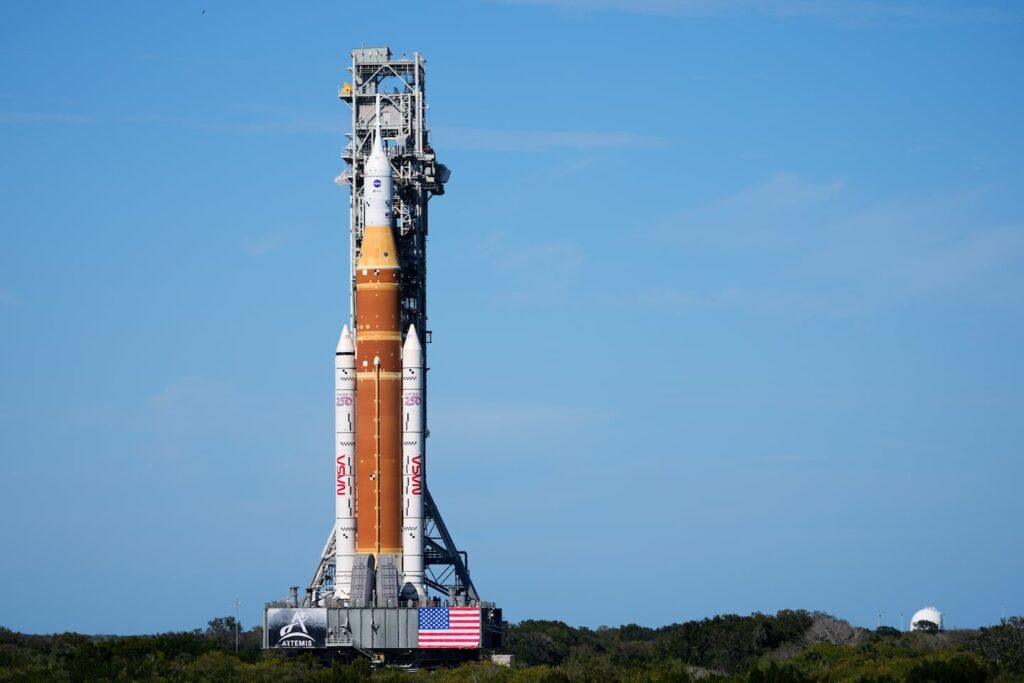
Head said the new lunar initiative will benefit from more than 50 years of accumulated knowledge of space flight, deep-space systems, mapping and technology, rather than racing against geopolitical deadlines.
Q. How did you land a job with the Apollo program?
Get Rhode Map
A weekday briefing from veteran Rhode Island reporters, focused on the things that matter most in the Ocean State.
Head: I was looking for a job and I got this college placement annual, a book of jobs that comes out every year, and it had jobs on pages 16 to 22, and 37. I said, ‘What’s that outlier?’ I’ve been taught to look at the outlier. So I turned to that page and it’s a picture of the moon and it just said, ‘Our job is to think our way to the moon and back.’ I went, ‘Holy wow!’ Who would not call that number? It was NASA Headquarters, it was the Apollo program. I got the job and started work in the Apollo program and astronaut training, site selection, mission operations, traverse planning, and debriefing astronauts when they got back. I did that with Apollo 7 to 17.
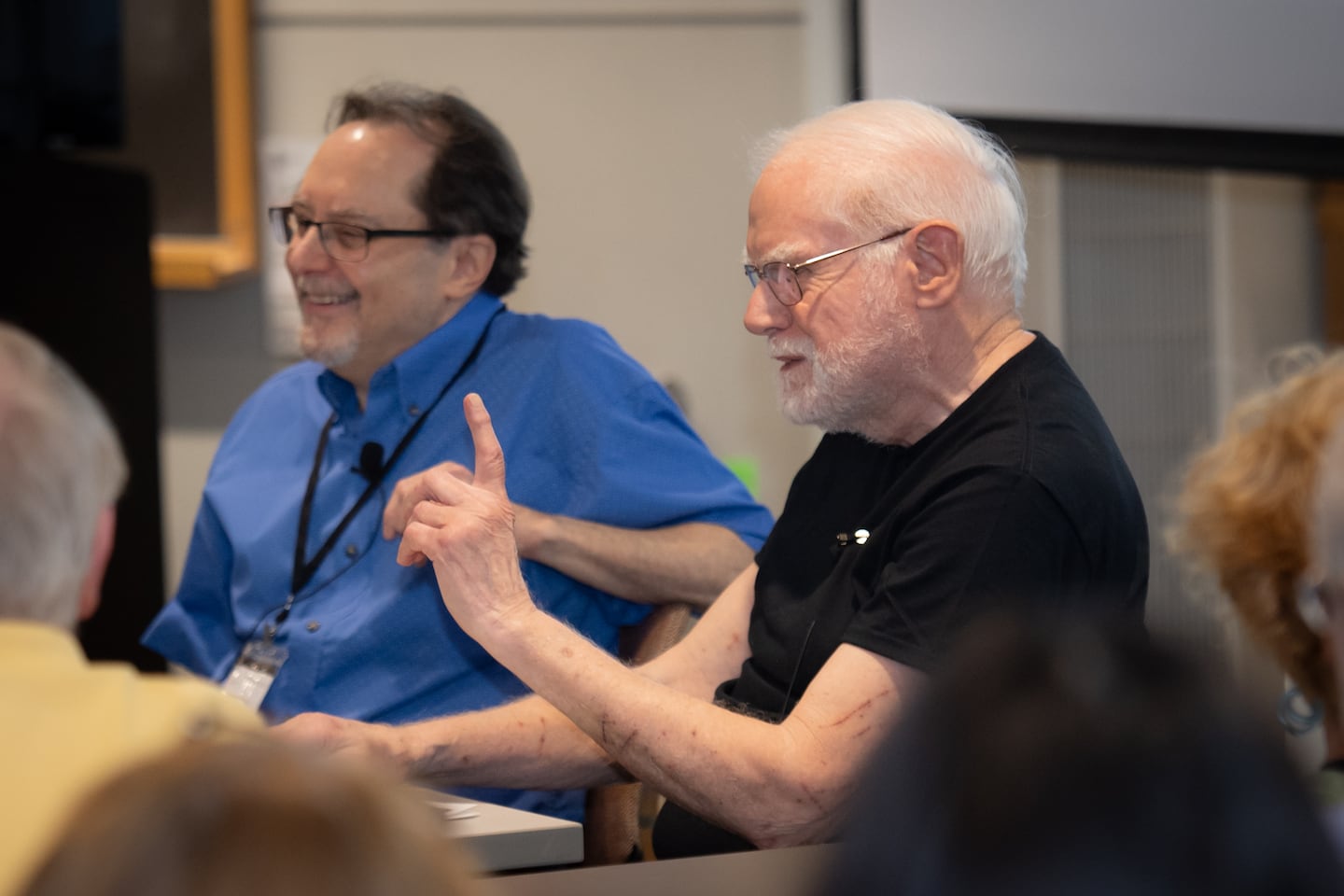 James W. Head III, a professor at Brown University, is working with the Artemis crew.Peter Goldberg
How do Apollo and Artemis compare?
There’s a comment made by a high-ranking previous national official that said, ‘We’re doing Artemis, we’re not doing Apollo. Apollo was just flags and footprints,’ which sends me into a huge arrhythmia because Apollo 15, 16, and 17 were Lewis and Clark-like scientific expeditions. We learned so much from Apollo, it’s incredible. So human exploration really launches on understanding not just the moon, but all the other terrestrial planets, too, because they pretty much have a theme that was kind of invisible to us until we went to the moon and is long gone on the Earth. If we want to know where we’re going in the future, we need to learn what we’re doing and what we’ve done in the past.
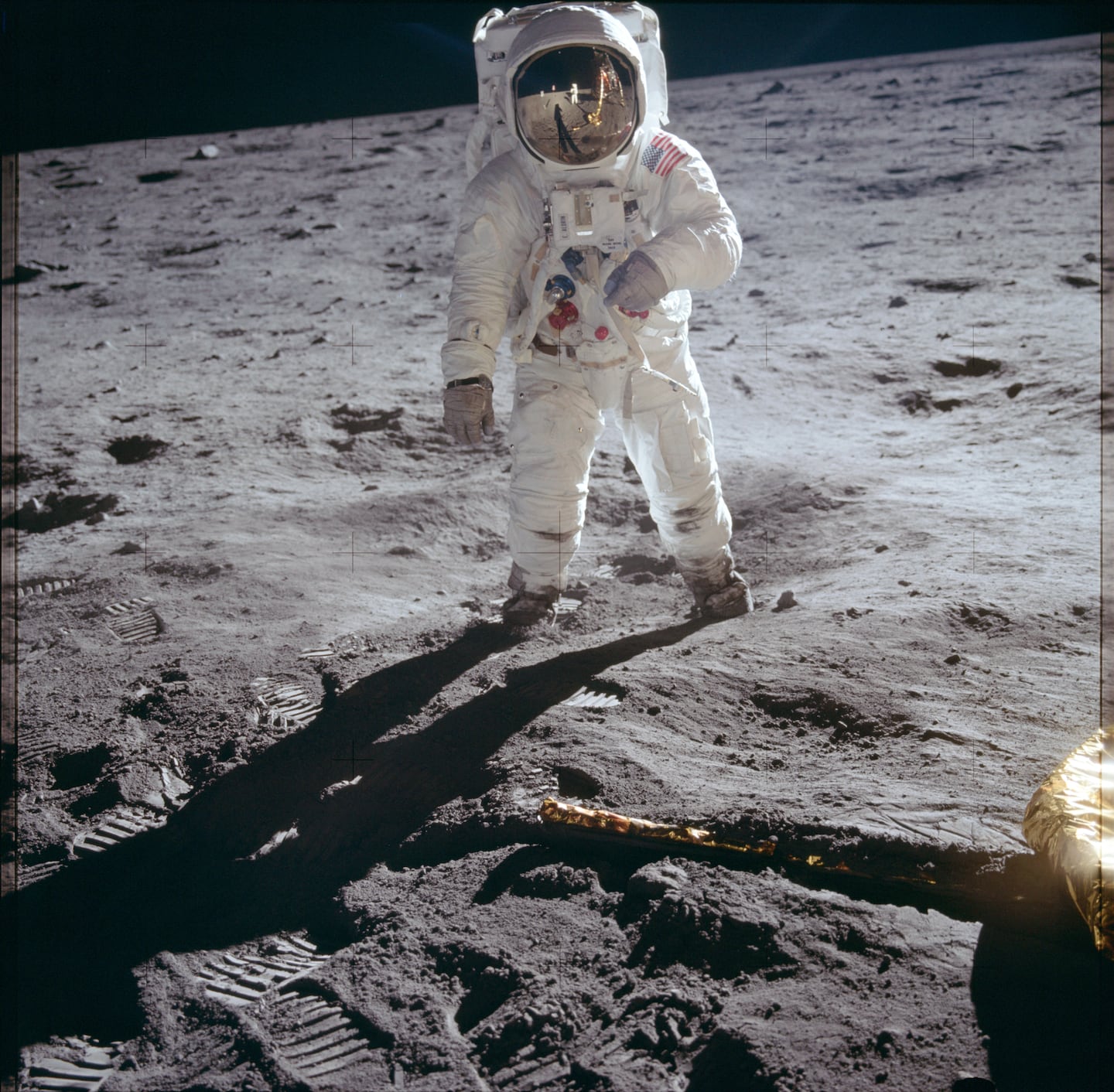 A photo provided by NASA and made by Apollo 11 astronaut Neil Armstrong shows fellow astronaut Buzz Aldrin on the surface of the moon in July 1969.NEIL ARMSTRONG/NYT
Why go back to the moon 53 years later?
Some of us would say we’re not going back, we’re going forward. We’ve had this pause where we have learned to absorb and integrate and a lot of the data that we have and that sharpens up our questions for the future. And secondly, NASA has had those decades to perfect, essentially, with the International Space Station. We’ve had 25 years of permanent presence in space, so we learn how to live off planet. Those are really good preparations and Artemis will, I think, with any luck here, will be the implementation of this next phase, which will be more permanent presence.
What was missed with the cancellations of Apollo 18, 19, and 20?
I think we could have continued the Apollo Lunar Exploration Program quite effectively. I worked on Apollo 18, 19, and 20 for landing site selection but they never flew. Typically, exploration of new frontiers requires an initial thrust and … it just takes sometimes decades and sometimes hundreds of years. I think NASA has done a good job perfecting things in the interim. In order to have sustained human exploration off planet, it’s got to have long-term planning and fiscal support and not waffling administrations.
As someone who is an expert in geology, what kind of research do we still need that from the moon that would make a trip valuable today?
I’m a co-investigator on a laser altimeter that’s in orbit around the moon right now — and it’s been in orbit for, I think, 15 years. There’s evidence of water and ice discovered in the permanently shadowed regions. … So the idea is maybe there is a lot of water and that’s a big discovery that Artemis is going to be looking at. That would be a real game changer, in the sense of being able to utilize that.
 A photo provided by NASA shows a view of the Earth from the surface of the Moon during the Apollo 11 mission in July 1969.NEIL ARMSTRONG/NYT
You’ve worked with Apollo and Artemis astronauts, what is the difference between the the two groups, and what has training Artemis been like?
During the Apollo program, the missions were happening fast and furious. We were taking the crews out for training, and meanwhile we’d go back to Houston and fly a mission. Astronauts would come back and we’d debrief them and factor that into the next training trips. Now it’s [a] much more … measured pace and that means there’s more time for training. It wasn’t like Apollo astronauts were not trained, they were really trained, but it happened at a much higher rate. Artemis II won’t be landing, but they will learn how to work the spacecraft.
What kind of work is Brown doing right now for Artemis? Do you think they’re ready to launch?
Well, I think that’s ‘no’ because otherwise they wouldn’t have postponed. The only way you do something right is to practice and that’s what’s going on here. It’s not a catastrophic moment but at that rate, you know you need to be concerned. It’s part of the way we do things.
How has the Lunar Structure, Composition and Processes for Exploration program, or LunaSCOPE, helped with determining a landing site for Artemis?
We just gave a presentation earlier today to NASA’s Solar System Exploration Research Virtual Institute, the LunaSCOPE parent organization to all the primary investigators. One of the things we’re looking at is the origin of that huge basin on the far side of the moon. …We don’t know yet exactly where we are going to land. We know south circumpolar region, but you know the details of the landing site and traverses are are under construction, so to speak.
What’s it like being part of another historic lunar attempt?
The big thrill for me now is not so much doing it again, it’s that we get to share it with people who didn’t get the individual experience before. I think there’s hope that it’s going to be as inspirational as Apollo 8 was. … I want my students who are now working at NASA headquarters to have the thrill of all this.
One of my students, Jessica Meir, in my introductory planetary science class many years ago said she wanted to be an astronaut. She wrote to Charlie Duke of Apollo 16, and he wrote back. It’s classic. He said, “Go see Jim Head. He’s right there at Brown.” And she did, and next week she is launching as the commander of NASA’s SpaceX Crew-12 mission. That’s pretty rewarding that she was actually recommended by an astronaut to talk to me.
This interview has been condensed and edited for length and clarity.
The Boston Globe’s weekly Ocean State Innovators column features a Q&A with Rhode Island innovators who are starting new businesses and nonprofits, conducting groundbreaking research, and reshaping the state’s economy. Send tips and suggestions to rinews@globe.com.
Carlos Muñoz can be reached at carlos.munoz@globe.com. Follow him @ReadCarlos and on Instagram @Carlosbrknews.