
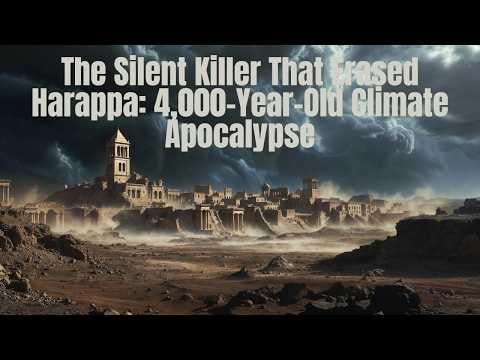
Hey r/AlternativeHistory, The Indus Valley (Harappan) Civilization is one of the most fascinating Bronze Age societies massive planned cities like Mohenjo-Daro and Harappa with advanced drainage systems, standardized brick sizes, no obvious palaces or temples suggesting heavy hierarchy, and extensive trade reaching Mesopotamia (evidenced by seals found there).
Yet by ~1900 BCE, urban centers were largely abandoned, populations shifted eastward to smaller villages, and the writing system vanished. Traditional explanations included Aryan invasions (now largely debunked by genetics/archaeology) or catastrophic floods.
More recent evidence points to environmental factors as a primary "silent killer":
- Around 4,200 years ago (the 4.2 kiloyear event), global climate shifts caused severe, multi-century droughts in many regions, including South Asia.
- The summer monsoon weakened dramatically, reducing rainfall by up to 30–50% in some models.
- The Ghaggar-Hakra (often linked to the mythical Sarasvati River) dried up or became seasonal, devastating agriculture in the core Harappan heartland.
- Cities relied on floodplains for farming; with unreliable monsoons and river changes, surplus food production collapsed, leading to gradual deurbanization rather than sudden destruction.
- People migrated to the Ganges plain, adopting more pastoral/rain-fed lifestyles.
This video explores these climate apocalypse elements in detail, drawing on paleoclimate data, sediment cores, and archaeological shifts. It argues the collapse was slow and adaptive rather than apocalyptic in the Hollywood sense people didn't "disappear"; they reorganized.
What are your thoughts on the Indus decline? Do you lean toward climate/environmental causes, internal social changes, trade disruptions, or a combination? Any counter-evidence or favorite sources on the 4.2 ka event's impact in South Asia?
Link: https://youtu.be/H7wM2chy9rI
Looking forward to hearing from fellow history enthusiasts, let's unpack this!
by Hungry-Chest9551