
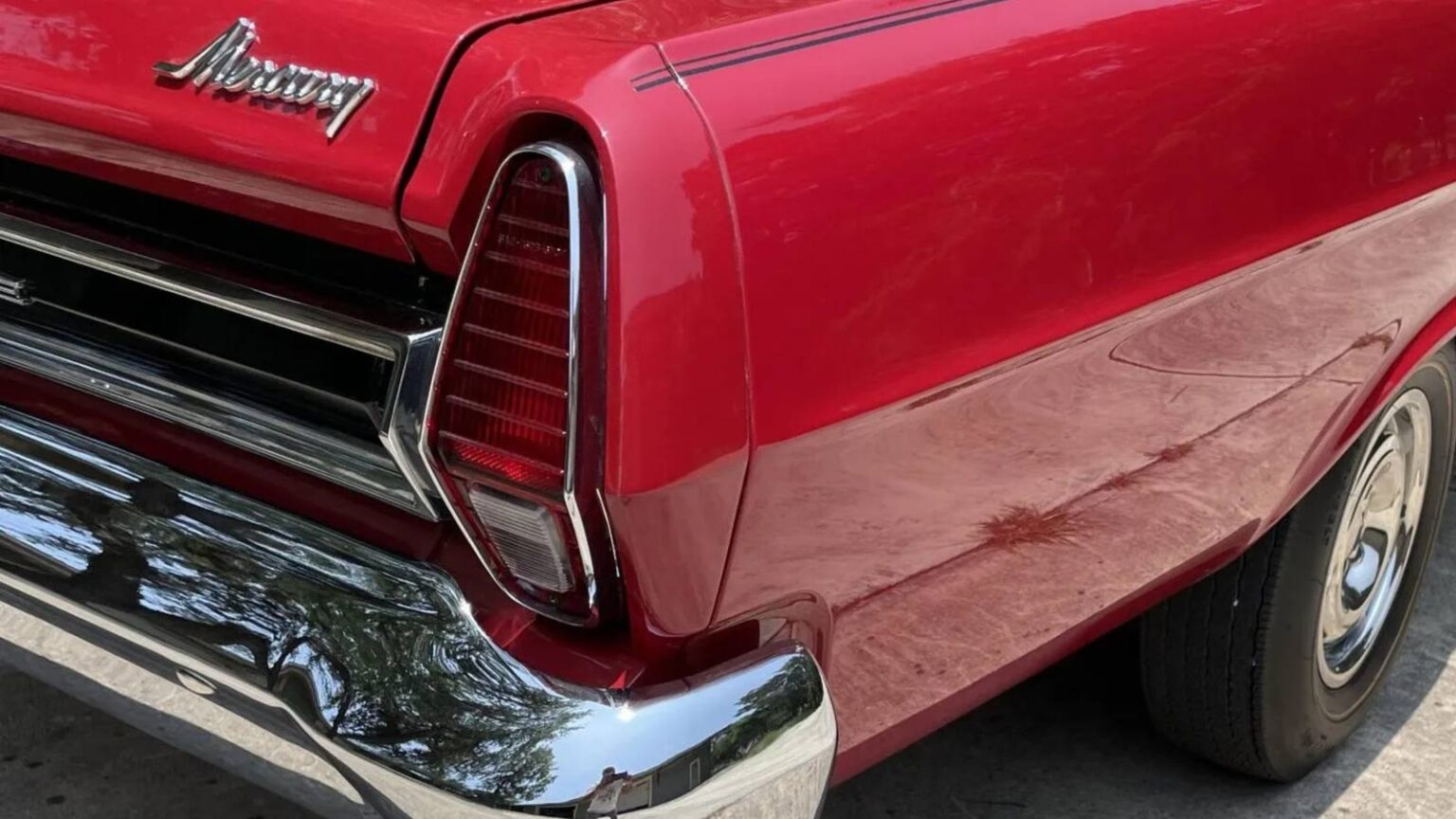
During the classic American muscle car era, competition between brands was fierce. Every year, automakers involved in muscle car production wanted to be either the quickest, fastest, or most powerful. The 1/4-mile was the king of performance measurement, and any self-proclaimed muscle car that couldn’t crack into the 13-second range over a quarter-mile was, in essence, laughed out of the spotlight.
The car that started it all was the Pontiac GTO. Shortly after its release, America fell in love with muscle cars, and numerous marques rushed to meet the new demand. One such automaker, Mercury, was keen to take on Pontiac’s newest creation. In service of this desire, the brand created the Comet Cyclone GT R-Code. It was the most powerful Mercury Comet ever produced, and had the GTO, along with drag-racing dominance, squarely in its sights.
The First Terrestrial Comet
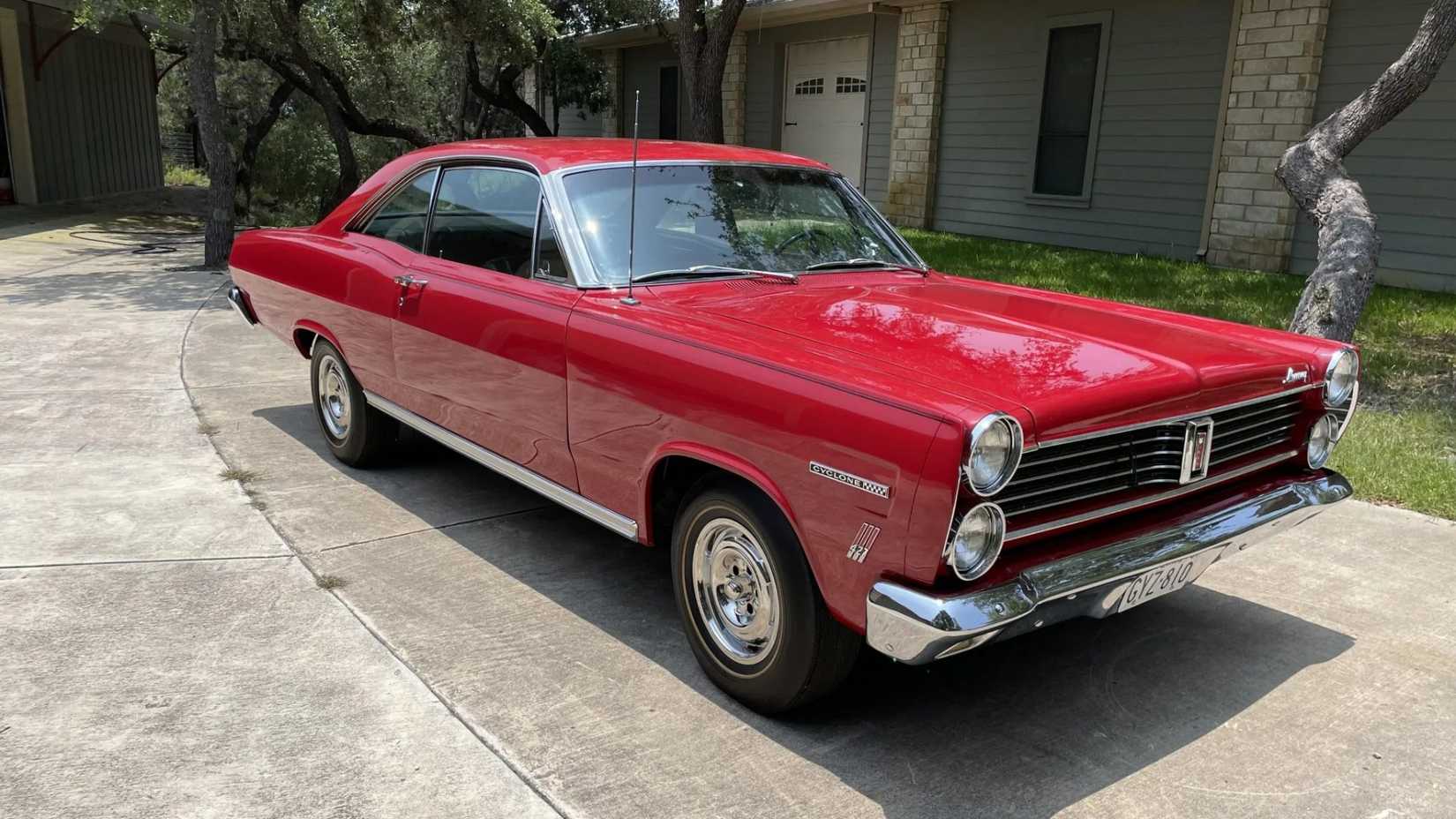
1967 Mercury Comet Cyclone GT R-Code finished in red with black interiorBring A Trailer
By 1966, the mid-size Mercury Comet had already entered its third generation, despite having hit the market just six years prior. However, the hottest Comet, the R-Coded Cyclone GT, wouldn’t come along until 1967. That year, the Comet lineup underwent a major shift. Instead of being referred to as the Comet and then its sub-series name, the 1967 models were simply referred to by their trim levels. The only “Comet” left was the base model, coined the “Comet 202.”
However, when it came to the Comet’s penchant for performance, it entered full swing in 1966. That year, Mercury released the Comet Cyclone GT/GTA that served as the hottest variation of the nameplate that Mercury had to offer.
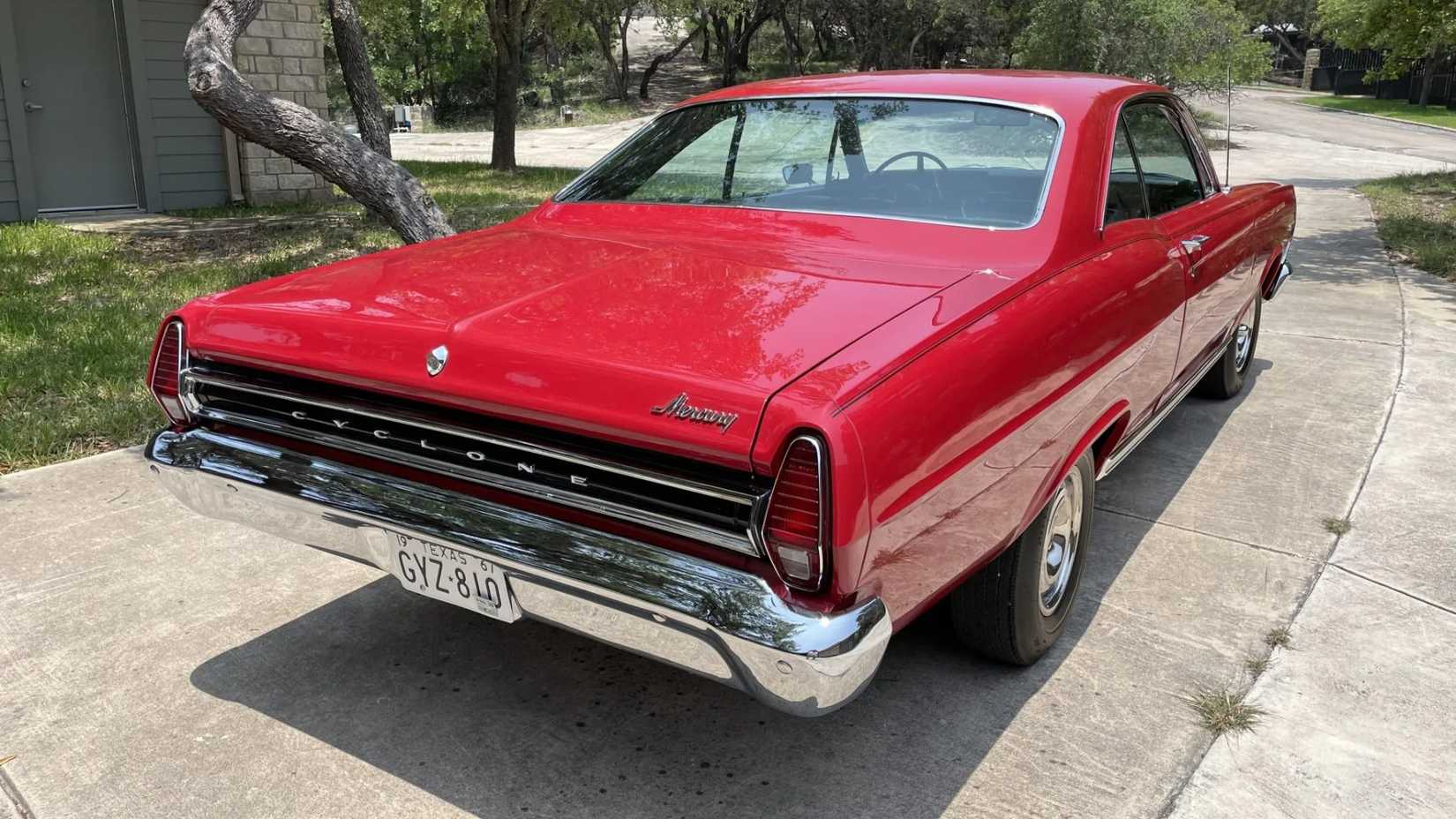
1967 Mercury Comet Cyclone GT R-Code finished in red with black interiorBring A Trailer
It wasn’t enough to produce the Cyclone GT variant, however. Normally, it produced just 335 horsepower from a 390 cubic-inch (6.4-liter) FE V8. This was too little to make a significant dent in the Pontiac GTO’s reign of terror, as the founding muscle car produced up to 360 ponies from its 400 CID drag-ready High-Output V8 in 1967. Fearing widespread losses on the drag strip, along with an impending sense of inferiority, Mercury turned to its parent company, Ford, for help.
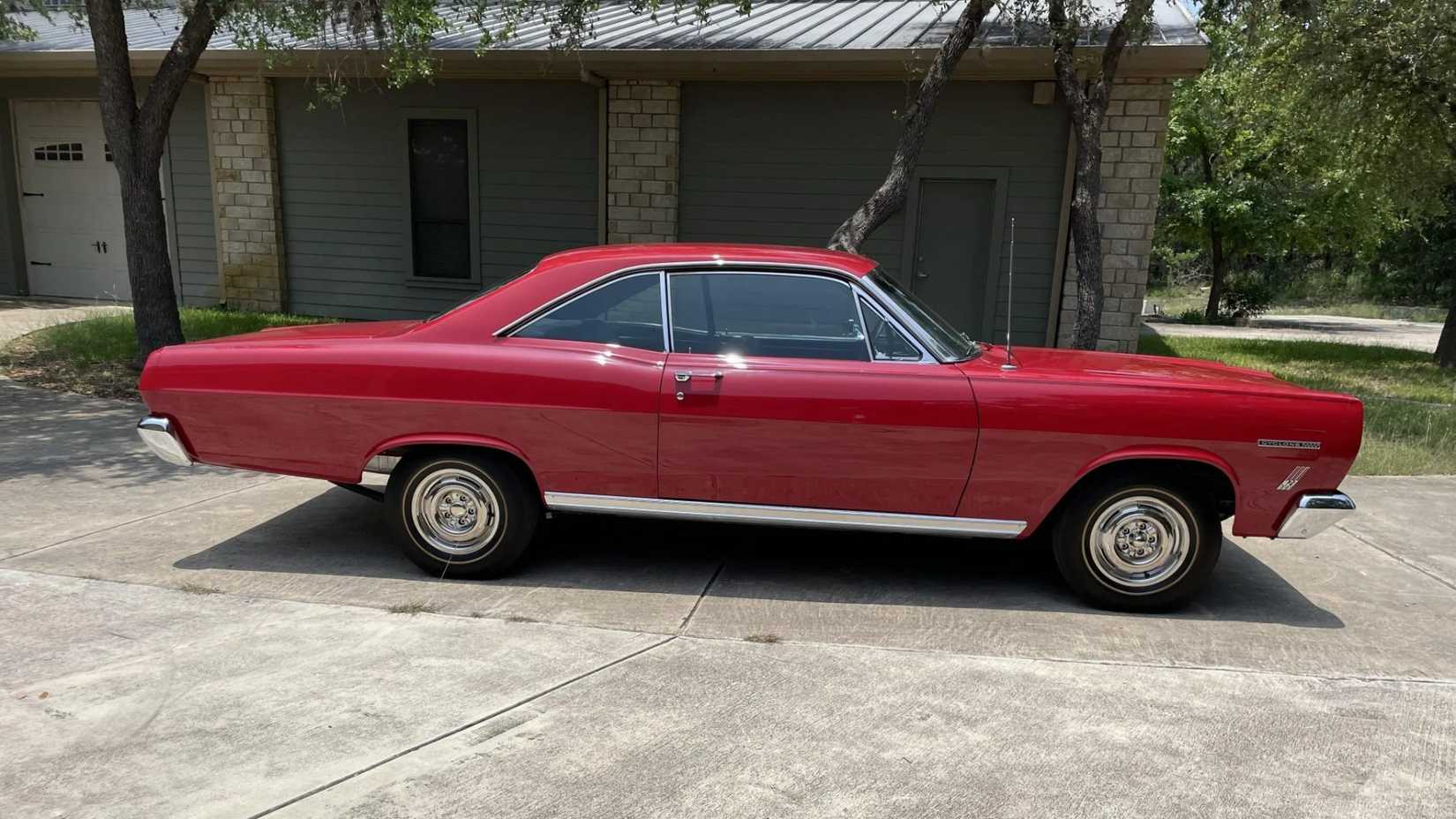
1967 Mercury Comet Cyclone GT R-Code finished in red with black interiorBring A Trailer
Seeing as Ford had already planned on producing a stripped-out, hardcore version of its Fairlane called the R-Code – and the Comet was directly related to the Blue Ovalmodel – it was only natural to build a Mercury-branded version. Because both models were essentially the same underneath, shoehorning a larger engine and other upgrades into the body would be relatively easy. With a plan in place and a Comet Cyclone GT R-Code in production, the GTO was going to have a serious contender to deal with.
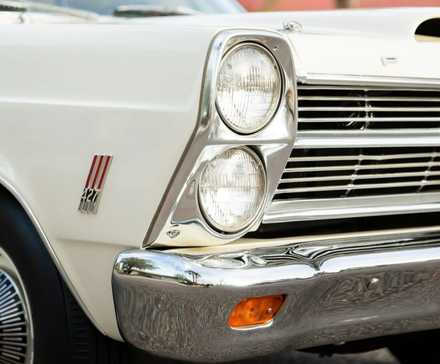
Related
This Drag Strip-Ready Ford Is One Of The Rarest Muscle Cars Ever Made
Ford loaded the mid-size Fairlane with a huge engine and went drag racing
How The Hot Comet Made Its Power
1967 Mercury Comet Cyclone GT R-Code finished in red with black interiorBring A Trailer
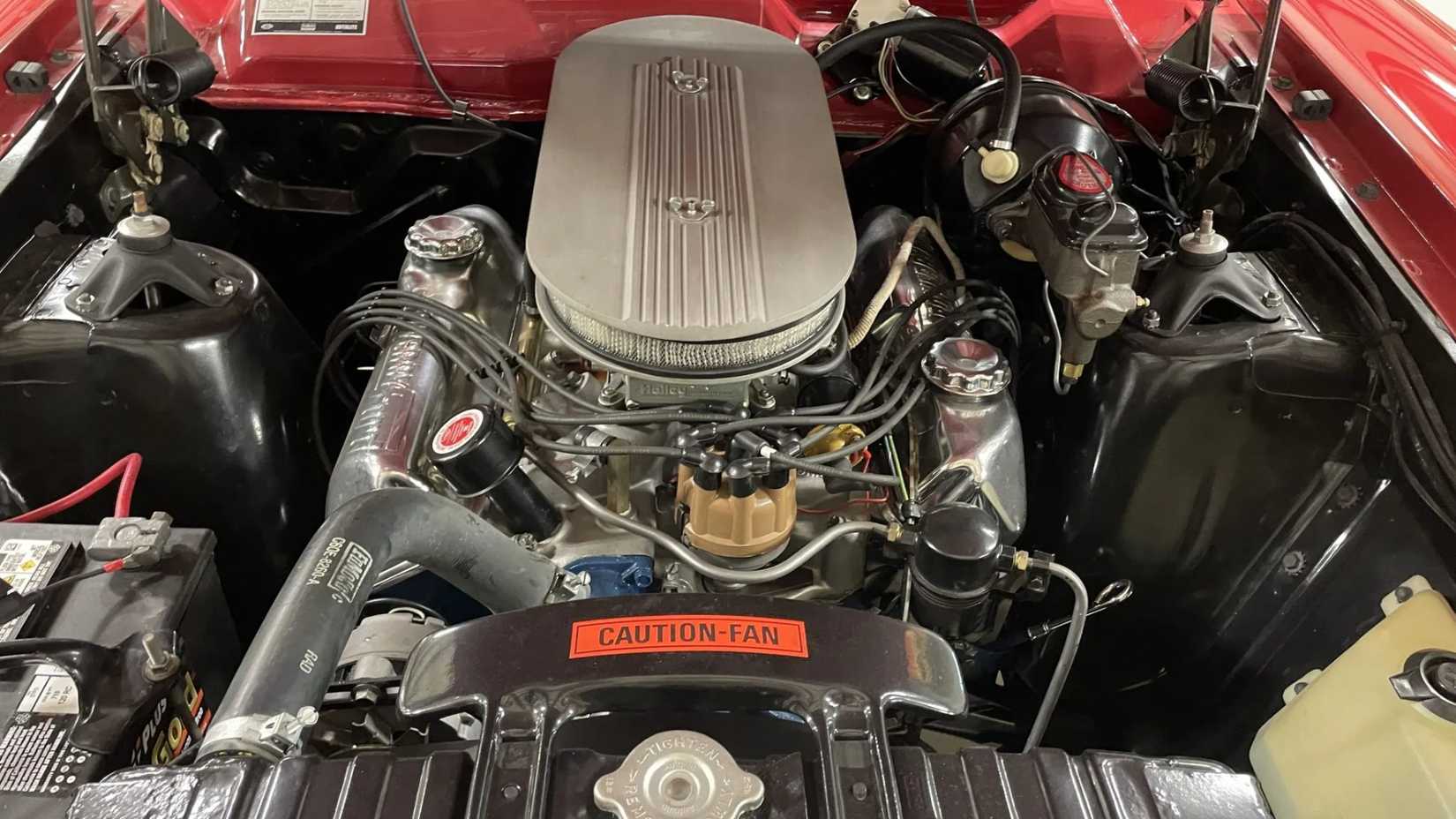
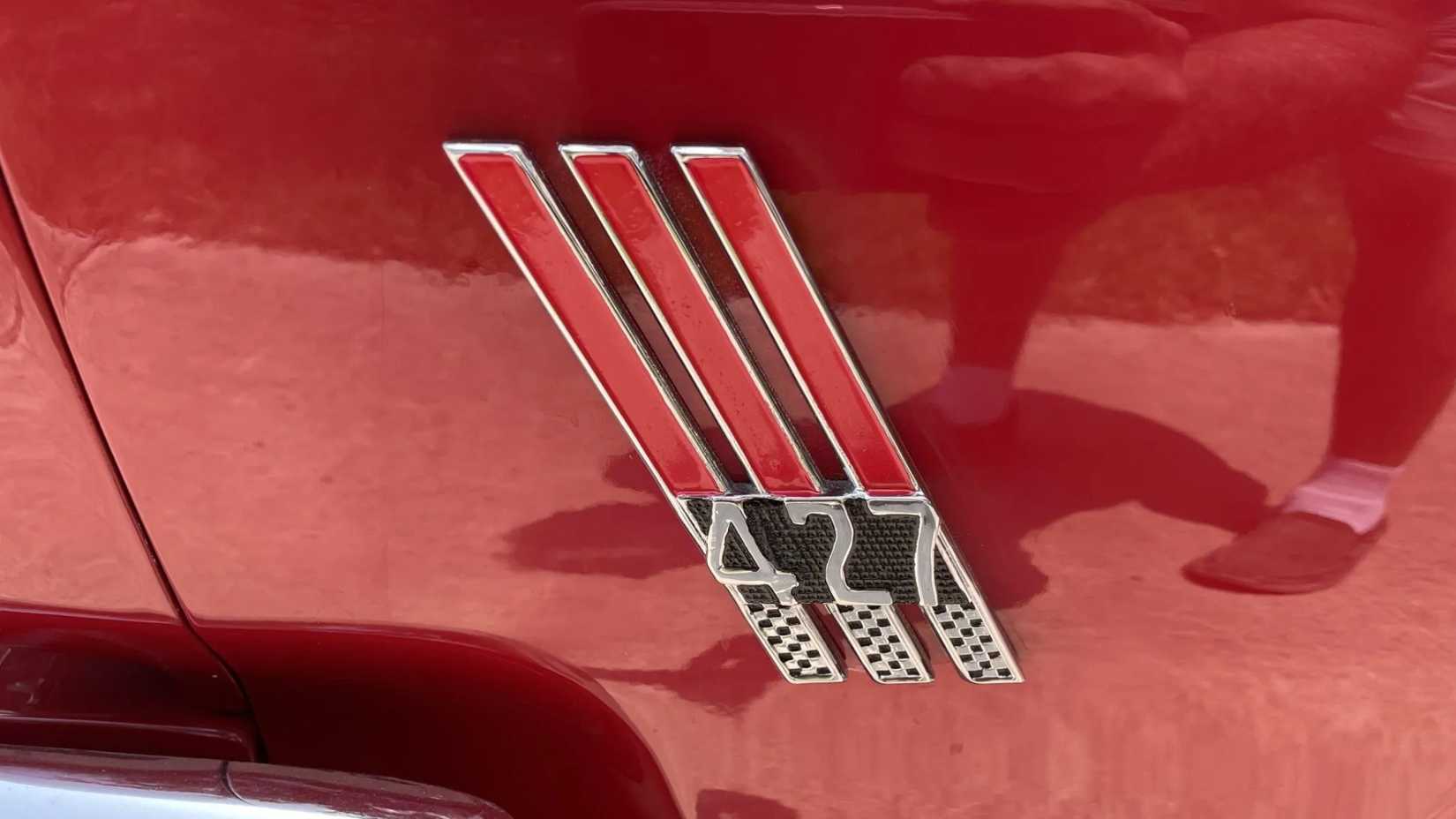
Seeing as the 390 CID V8 simply wouldn’t cut the mustard, Mercury needed something bigger and more powerful to do what it needed to do out on the drag strip. So, Ford supplied its 427 CID (7.0-liter) Side-Oiler V8, an engine developed specifically for racing applications. The term “Side-Oiler” comes from the mill’s unique lubrication system, which boasts a special oil gallery carved into the bottom driver’s side of the engine block. This allows the crankshaft main bearings to receive lubrication directly, rather than indirectly via the engine’s top end. Having this extra lubrication measure paid off when the motor was under high stress for an extended period, like during a drag race.
1967 Mercury Comet Cyclone GT R-Code finished in red with black interiorBring A Trailer
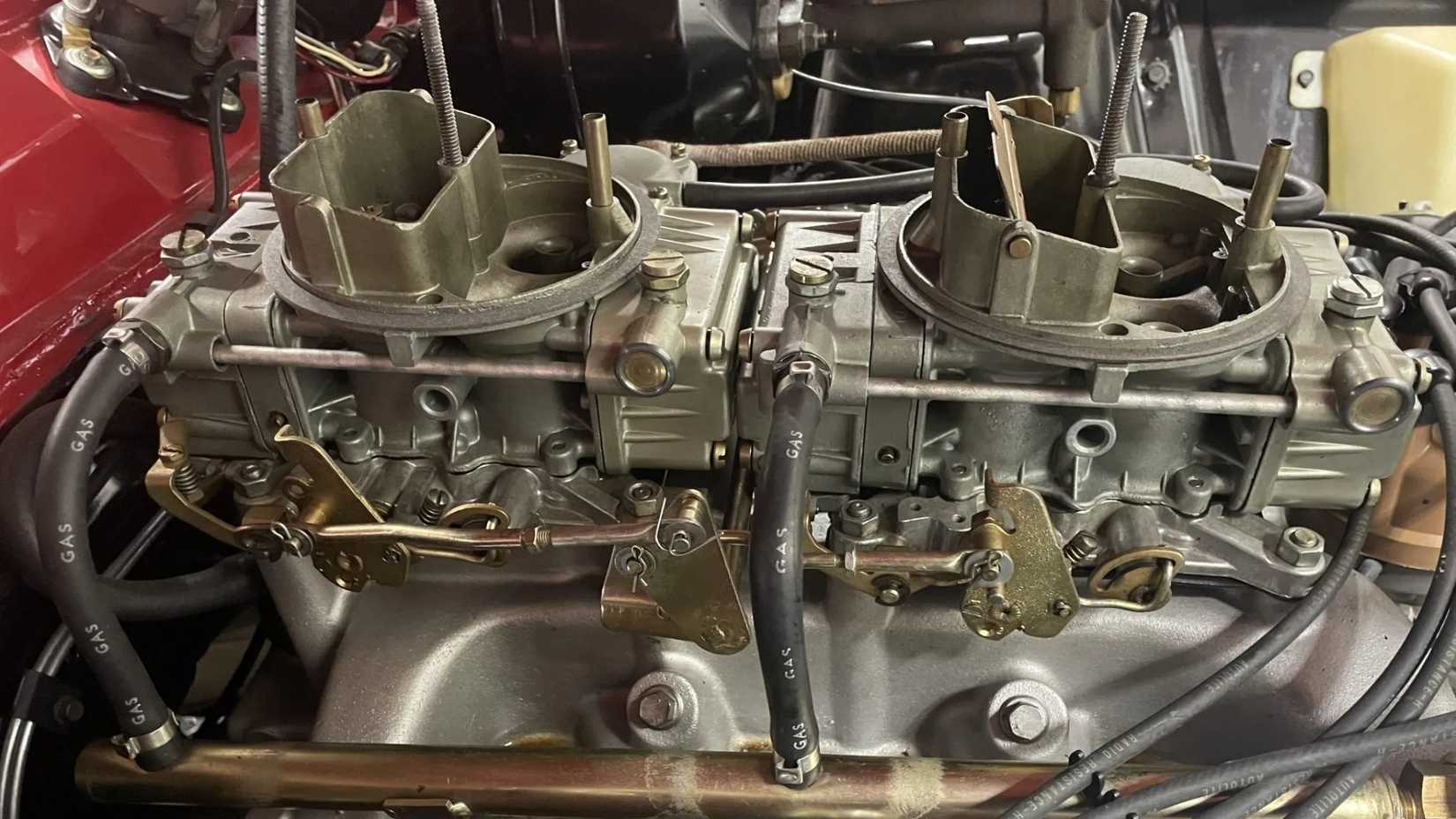
In addition to its side-oiled crankshaft, the Comet Cyclone GT R-Code’s engine also boasted a few key upgrades that set it apart from some other high-performance V8s produced at the time. Sitting on top of the motor’s intake manifold was a pair of four-barrel Autolite 4100 carburetors, each with a 600 cubic-foot-per-minute (CFM) rating. Buyers could opt for a single-carburetor setup, called the W-Code, but this reduced the motor’s power output by 15 hp. Of the 60 reported Comet GTs produced with the 427 Side-Oiler engine in 1967, only nine were built with the W-Code option, the rest being R-Coded engines.
1967 Mercury Comet Cyclone GT R-Code finished in red with black interiorBring A Trailer
Handling the 427 Side-Oiler’s power was a Ford four-speed Top Loader manual transmission. The “Top Loader” term refers to the transmission’s topside-mounted inspection and maintenance cover. On most transmissions, the inspection cover was on the side of the transmission, making simple fixes harder to complete. Behind the Top Loader gearbox sits a nine-inch rear end sporting a 3.89:1 gear ratio and Ford’s Traction-Lok limited-slip differential.
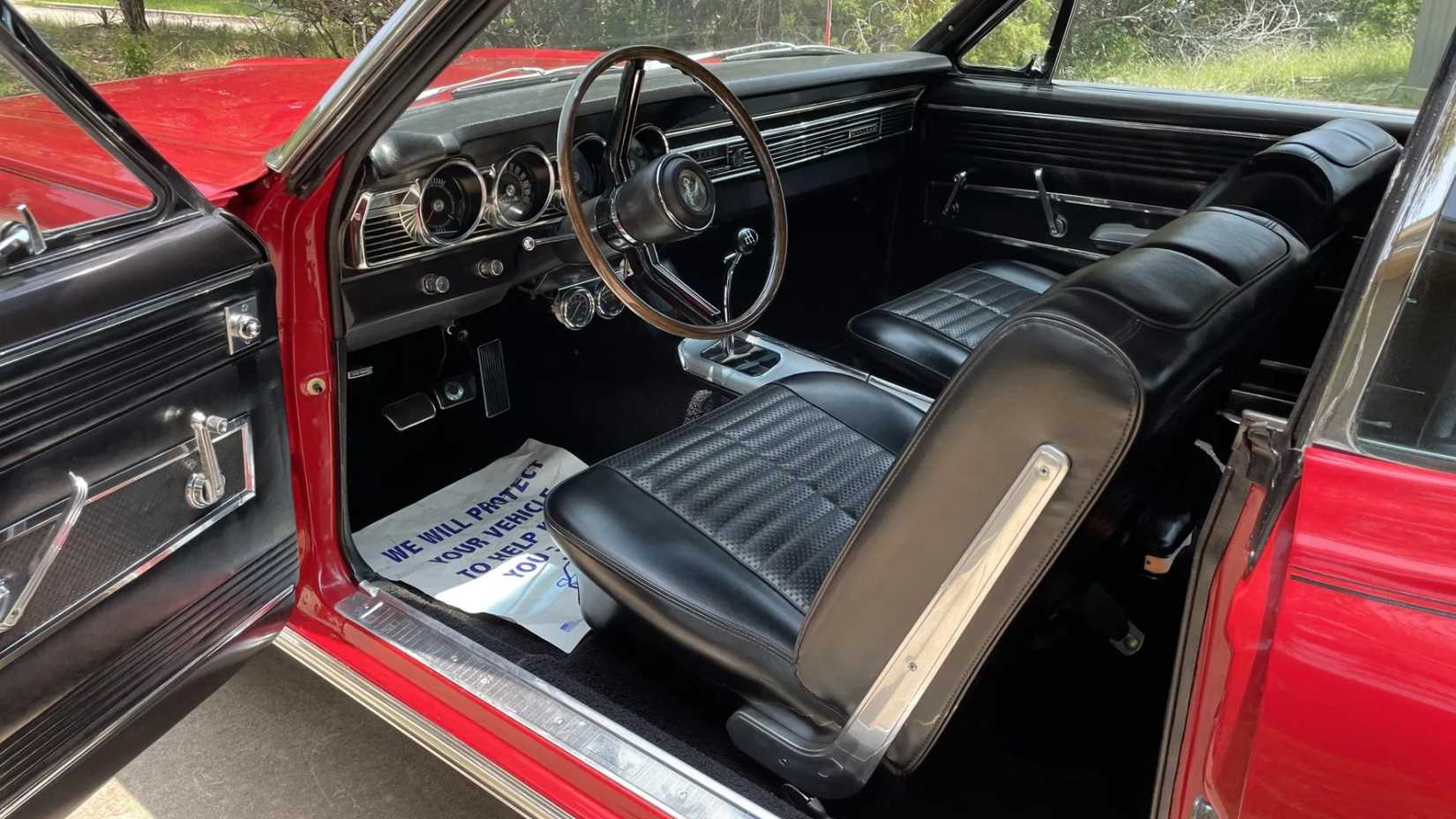
1967 Mercury Comet Cyclone GT R-Code finished in red with black interiorBring A Trailer
Each of the 60 examples of the 427-equipped 1967 Mercury Comet Cyclone GTs came with a fiberglass hood and no sound-deadening material installed in the cabin. All told, ditching the material saved approximately 150 pounds overall. Another weight-related option some models were equipped with was a relocated battery. Instead of being mounted under the hood, as in most cars, Mercury moved it to the trunk, which shifted more weight over the rear axle and thus provided more traction.
1967 Mercury Comet Cyclone GT R-Code Specs
Engine Details
427 CID (7.0L) NA V8
Horsepower
425 hp
Torque
480 lb-ft
0-60 MPH Time
5.5 seconds
1/4 Mile Time
11–12 seconds (est.)
Curb Weight
3,400 lbs
*Specs courtesy of Supercars.net
Related
This Forgotten Big-Block V8 Muscle Car Was A Torque Monster In The 1970s
Hint: It’s not the ’70 Chevelle SS
Current Pricing
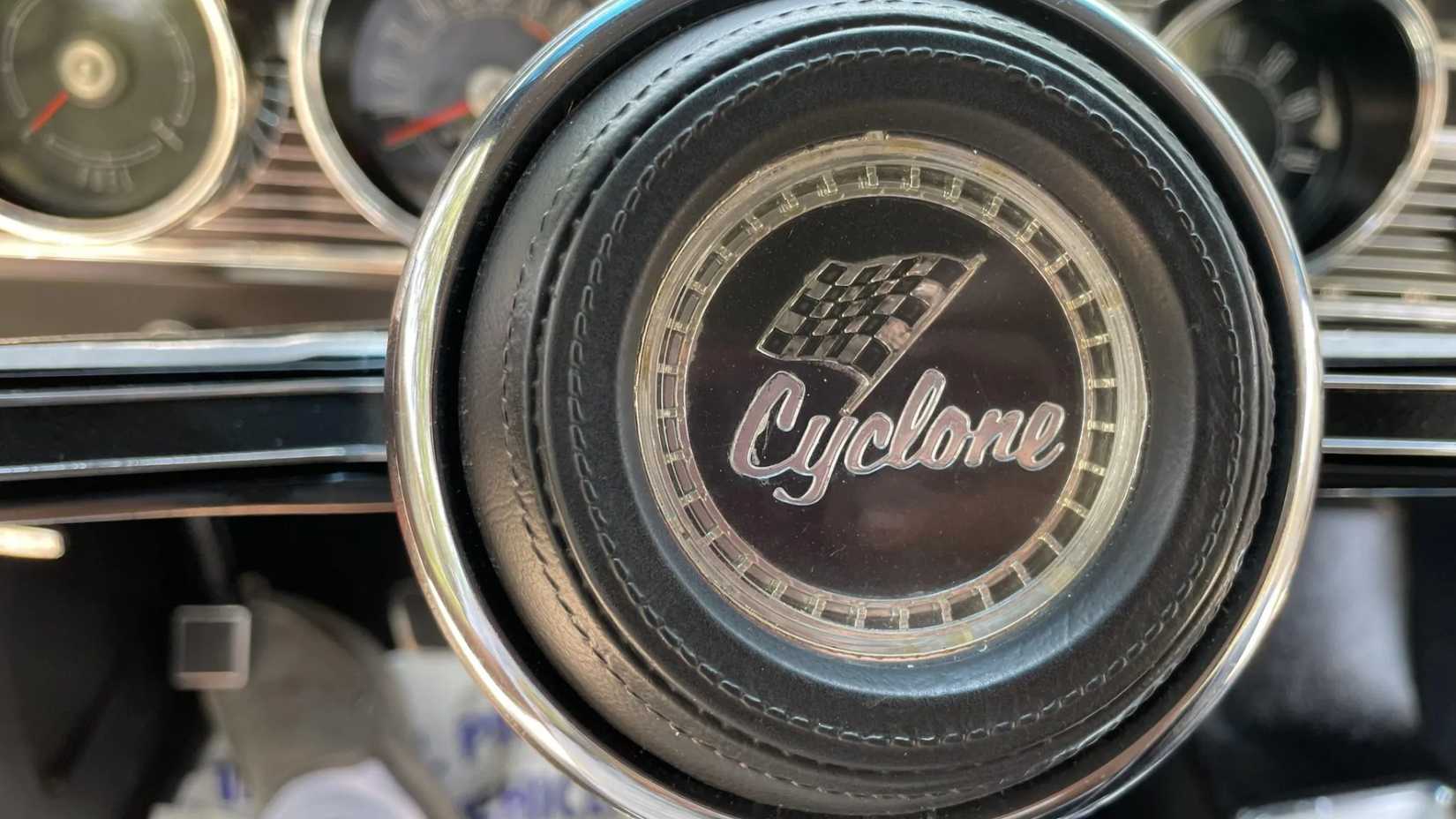
1967 Mercury Comet Cyclone GT R-Code finished in red with black interiorBring A Trailer
Be prepared, because your wallet won’t be happy. If you’re anything like this author and a fan of obscure classic muscle cars, the prospect of owning an R-Coded ’67 Comet Cyclone GT would be like a dream come true. With 425 hp, 480 lb-ft of torque, and the ability to say you own one of just 51 examples built, owning one of these machines comes with many attributes worth bragging about. However, if you can guess, it’s not exactly a cheap model when one does eventually come up for sale.
Related
Muscle Car Manufacturers That Have Gone To Automotive Heaven
The brands that built the history of muscle cars, but did not survive to the present day.
The 1967 Comet Cyclone GT R-Code seems to fetch quite a penny, and you bet it’s a pretty one. The auction results included an all-original example, which spent 30 years in a barn gathering dust and mouse droppings, that sold for $40,700. Other examples in better condition have sold for up to $175,000 without skipping a beat. However, owning one of these pieces of American muscle car history would be worth its weight in gold.
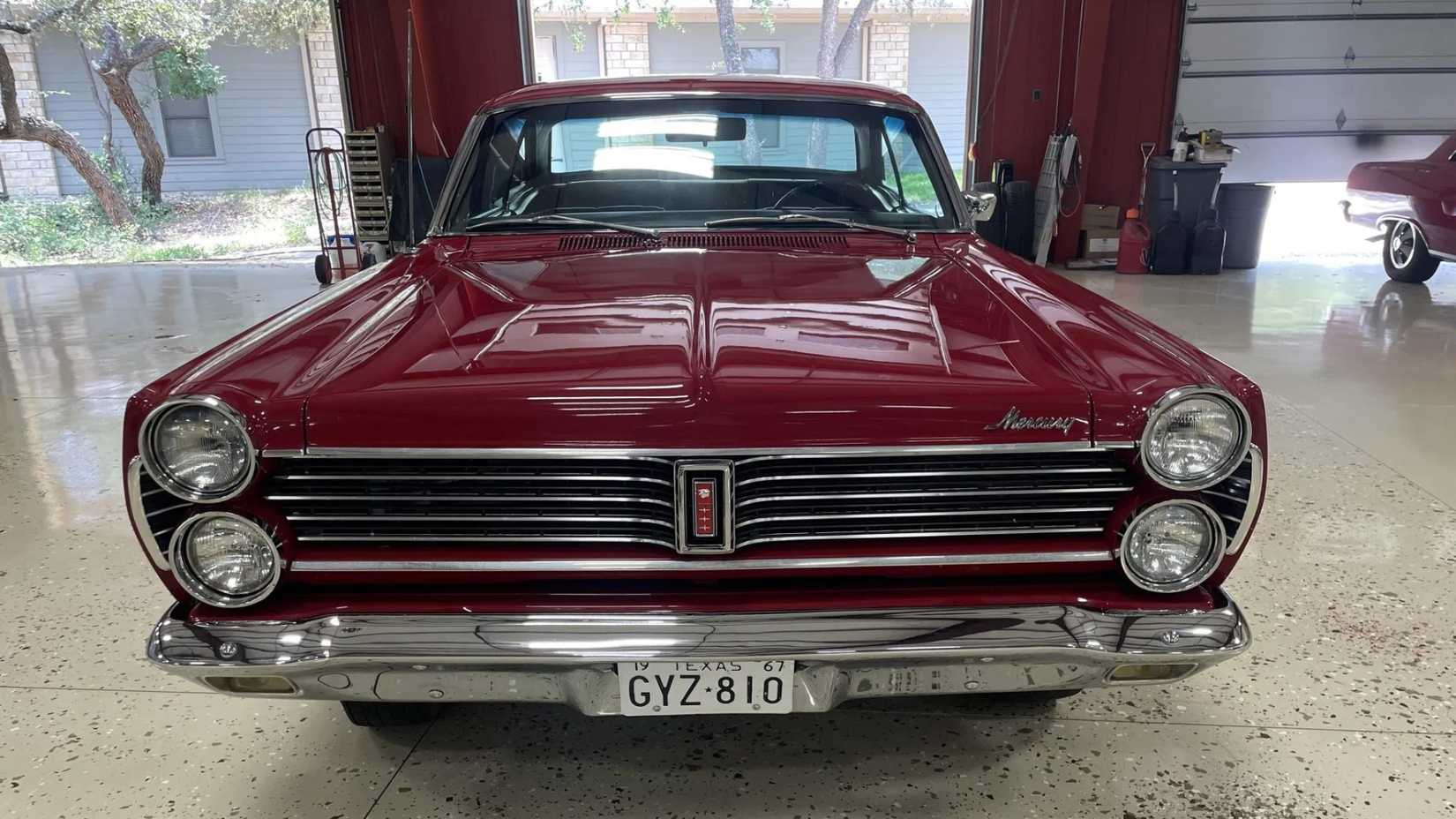
1967 Mercury Comet Cyclone GT R-Code finished in red with black interiorBring A Trailer
Another Forgotten Mercury Muscle Car (That’s Less Expensive)
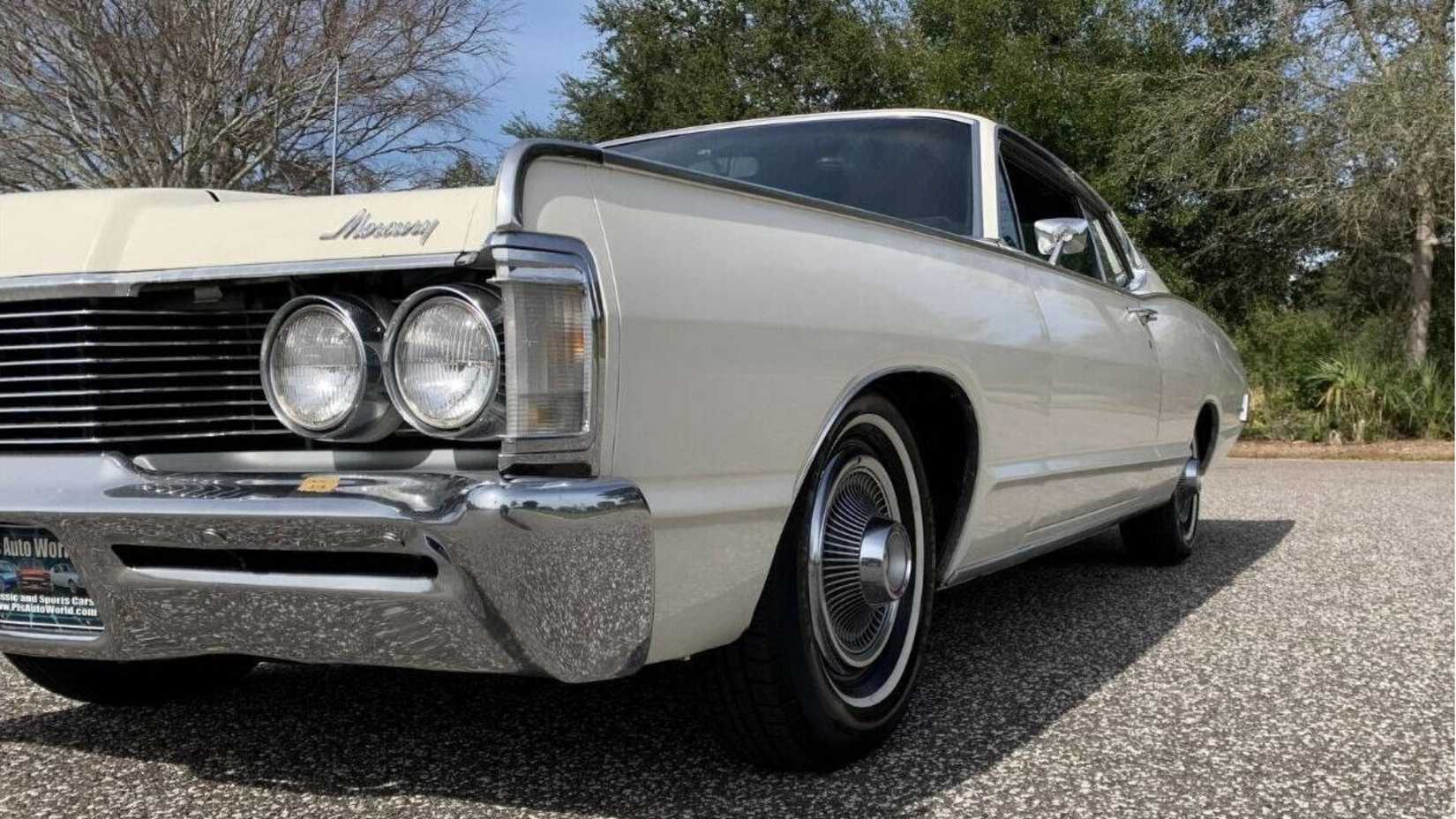
1968 mercury monterey front close up tanClassicCars.com
While $175,000 is a bit too much for a lot of people, if you’re dead-set on a classic muscle-bound Mercury that isn’t a Comet Cyclone, check out the 1968 Mercury Monterey. It’s no drag machine like the Comet Cyclone GT R-Code, but this model can still get your proverbial jimmies rustled and look great doing it, too.
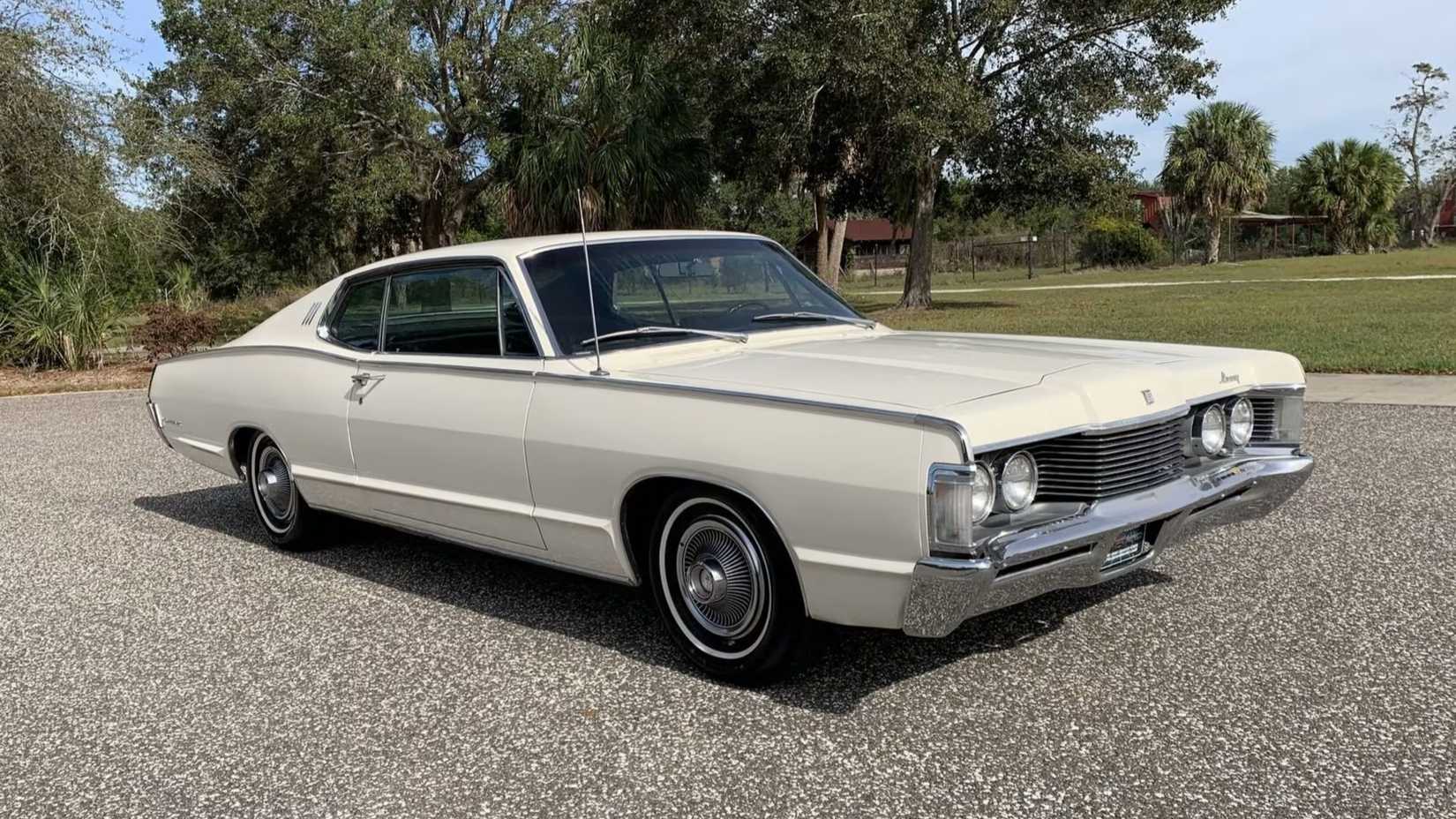
1968 Mercury Monterey finished in cream with black interiorMecum
The ’68 Monterey offered a slew of engines, but the one you want is the 428 CID (7.0-liter) FE V8. With it, the Monterey produces 340 horsepower and 462 pound-feet of torque. The engine, called the “Q-Code”, was only offered for the 1968 model year. It’s worth noting that the Monterey is a full-size car and doesn’t fit the traditional muscle car mold, which typically applies to mid-size cars. However, it produces a good amount of power and is much cheaper than the R-coded Comet Cyclone GT.
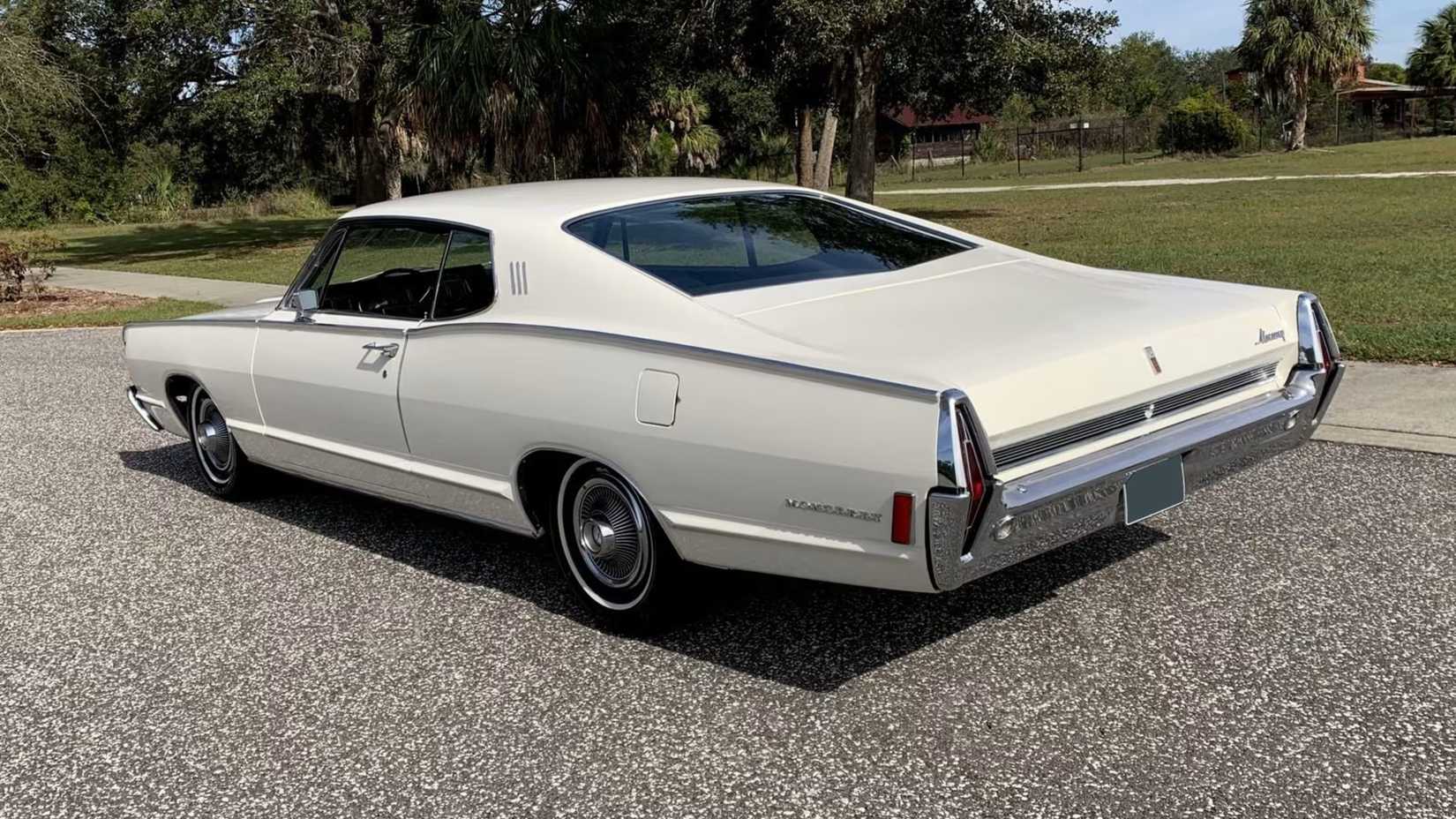
1968 Mercury Monterey finished in cream with black interiorMecum
A 1968 Mercury Monterey Q-Code goes for anywhere between $10,000 and $25,000, depending on condition. That’s well within the affordability range for many folks. And, not to mention, it would still be a cool, rare car to bring to car shows.
Sources: Supercars.net, Facebook – Muscle Cars & Hot Rods, Hemmings,