
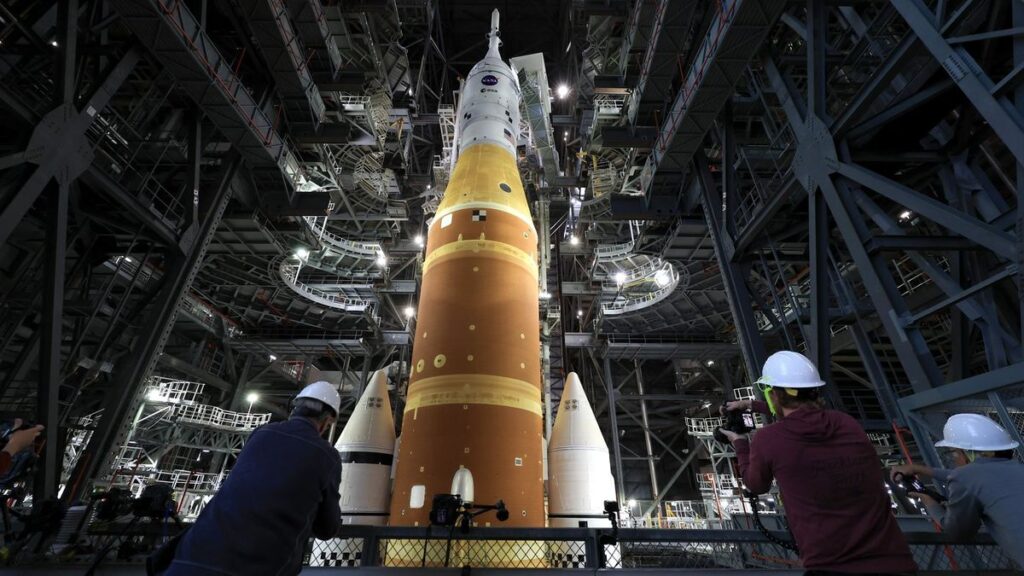
NASA have announced the date for another attempt at having a ‘wet dress rehearsal’ for the Artemis II mission to the far side of the moon.
The upcoming space mission will be the first of its kind for 50 years as it plans to send astronauts around the far side of the moon and potentially further away from Earth than they’ve ever gone before, though that depends on the launch date.
However, plans to blast off were put on hold earlier this month after a ‘wet dress rehearsal’ hit problems and had to be cancelled at T-5:15 minutes due to a ‘liquid hydrogen leak at the interface of the tail service mast umbilical‘.
Repair work has been underway since then and NASA have said they’re now targeting 19 February as the new possible date to complete the ‘wet dress rehearsal’.
They’ve also said that while a launch date hasn’t been confirmed, they’ve identified 6 March as the earliest possible opportunity for the mission to go ahead if all prior tests and preparations go well.
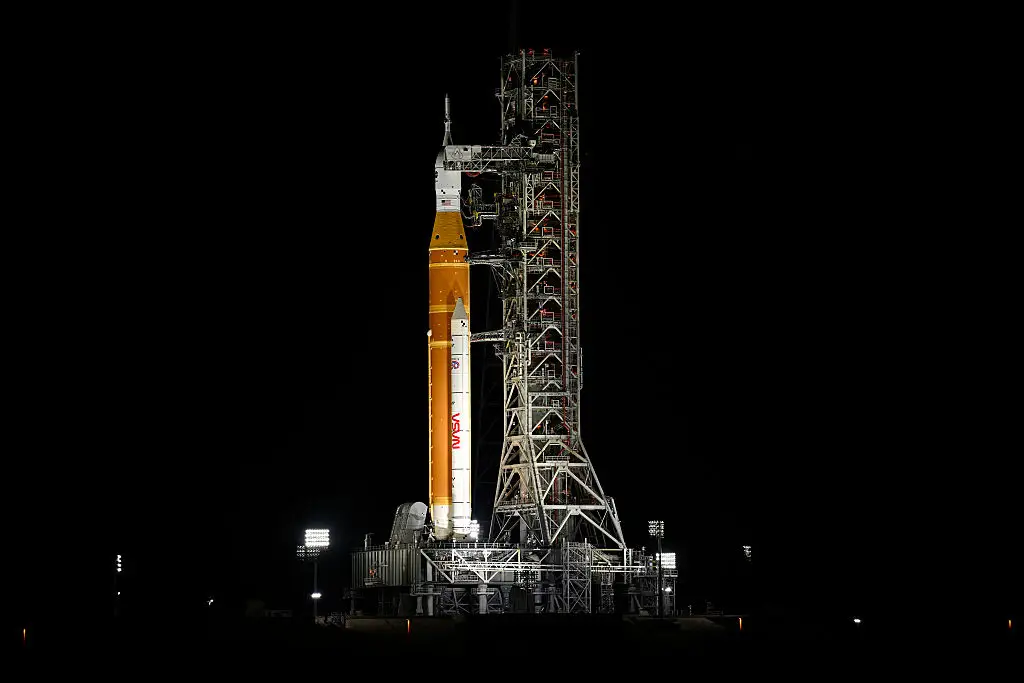 Artemis II failed the first ‘wet dress rehearsal’, but they will be trying again soon (Miguel J. Rodriguez Carrillo / AFP via Getty Images)Why the last ‘wet dress rehearsal’ failed
Jordan Bimm, Assistant Instructional Professor of Science Communication at the University of Chicago, told the LADbible that he wasn’t surprised the first ‘wet dress rehearsal’ for Artemis II failed as he said ‘they dealt with hydrogen leaks throughout the Artemis One uncrewed mission back in 2022’.
“They actually had to bring the entire SLS (space launch system) back into the VAB (vehicle assembly building) three times to deal with this,” he explained.
“I went into this wet dress being like, ‘we’re gonna hear about a hydrogen leak’. And as far as I’m concerned, it wasn’t it wasn’t as bad as the first wet dress for Artemis One.
“So they got further than that, and the leak of hydrogen was not as bad. I think that they were expecting this and that this was part of the workup to actually figuring out this launch.”
Professor Bimm explained NASA had ‘an allowance for a certain amount of hydrogen to leak out’, but during the first test for Artemis II ‘it was leaking at a rate beyond the allowance’.
On the plus side he reckons the first problem ‘wasn’t so bad that they’re saying in the press conference afterwards that they’re gonna have to roll back SLS to the VAB’, so it didn’t go as badly as it might have done.
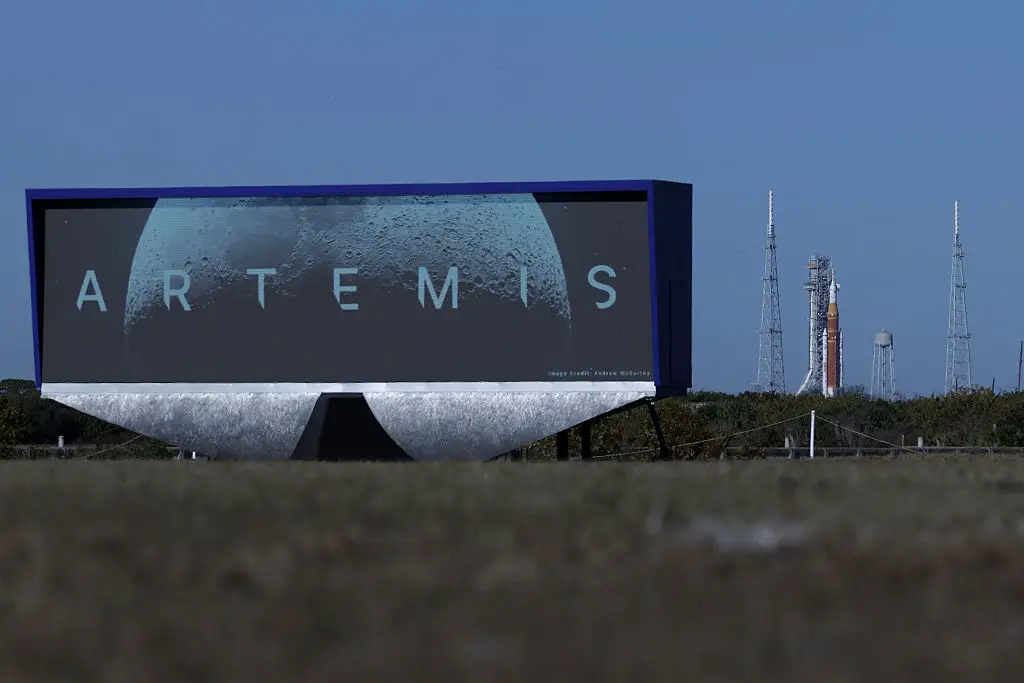 Professor Jordan Bimm explained that hydrogen leaks were part of the process and it was ‘not as bad’ as it could have been (Joe Raedle/Getty Images)Why the test is so important
Given that this leak has proven to be a recurring issue for the Artemis missions it’s always worth making sure everything is safe before launching.
Professor Bimm warned about the dangers of ‘go fever’ in space exploration.
He said: “This idea of ‘we’ve come this far, you know, just assume a little more risk to get there’. No one wants to be the one to say ‘let’s turn back or let’s abort this’.”
The expert pointed towards past space disasters such as the Challenger Space Shuttle to demonstrate why it was so worth waiting patiently to make sure everything was as safe as possible.
He said that NASA would ‘always try and minimise that risk’ of something going wrong but ‘you can never get it to zero’.
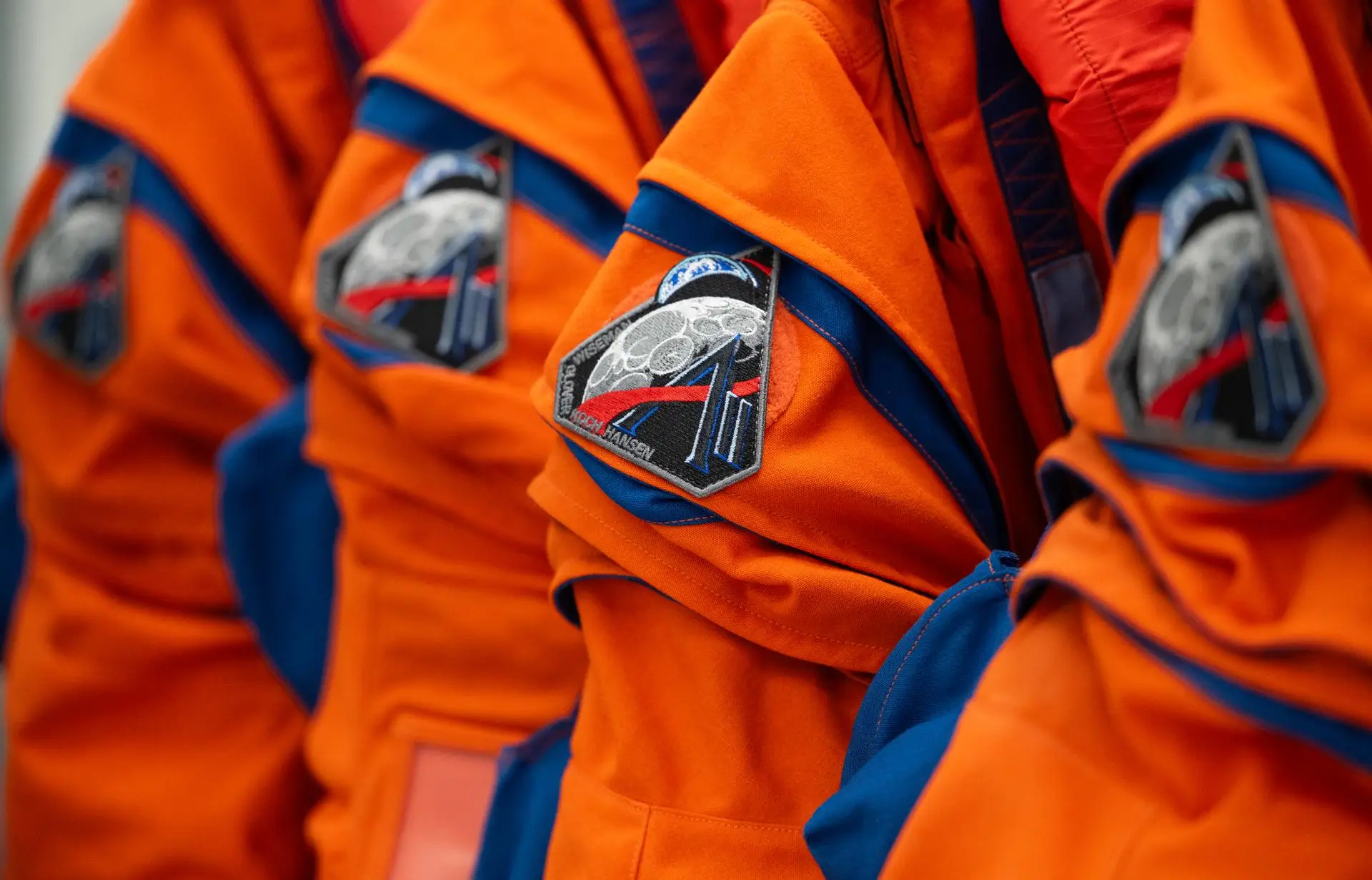 The professor warned of the dangers of ‘go fever’ and why it was important to do the safety tests properly (NASA/Joel Kowsky)When Artemis II might launch
NASA have suggested 6 March is the earliest date Artemis II could launch, but they’ve been clear it doesn’t mean it’s happening then and there won’t be a concrete time until they’ve completed a successful wet dress rehearsal.
They said: “While NASA will not set a formal launch date until after a successful rehearsal and data reviews, the agency has been evaluating in recent weeks if the there are additional days that would be suitable for launch and found an extra opportunity the first week of March.
“However, managers have determined 6 March is the earliest opportunity for launch that allows for a second wet dress rehearsal, sufficient time for data review, and time to transition the launch pad, rocket, and spacecraft to launch operations.”
Professor Bimm said the astronauts had enjoyed ‘a little taste of freedom for a couple days’ after they were allowed out of quarantine after the first wet dress rehearsal failed.
They won’t be taking part in the upcoming one, but they have to be ready for a possible launch date a little over two weeks away and during the next rehearsal there will be drills closing all of the doors on the spacecraft.