
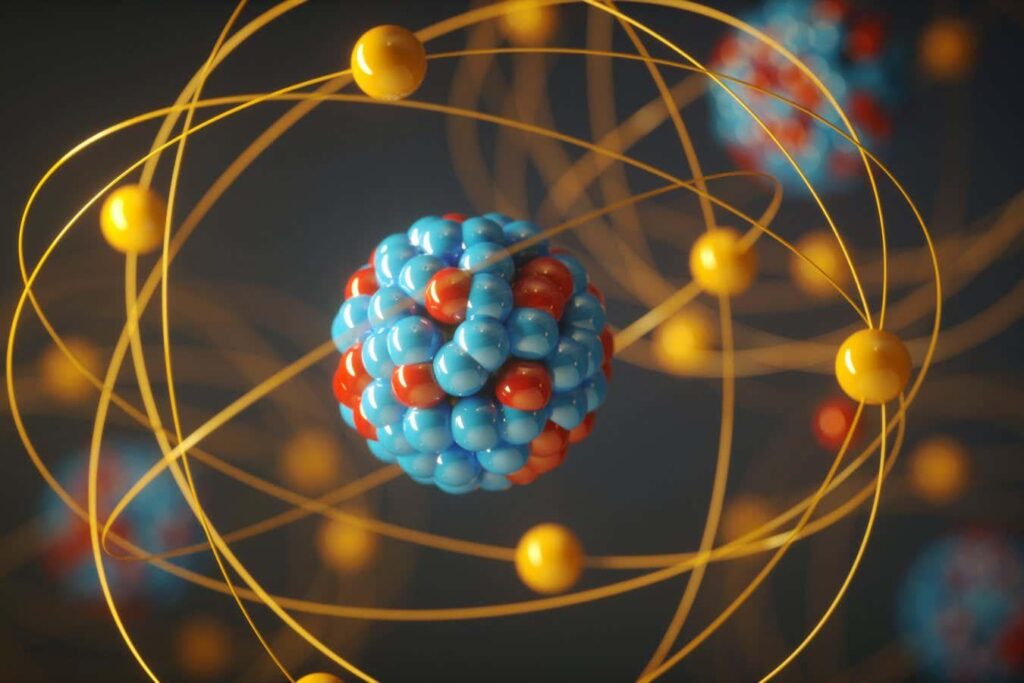
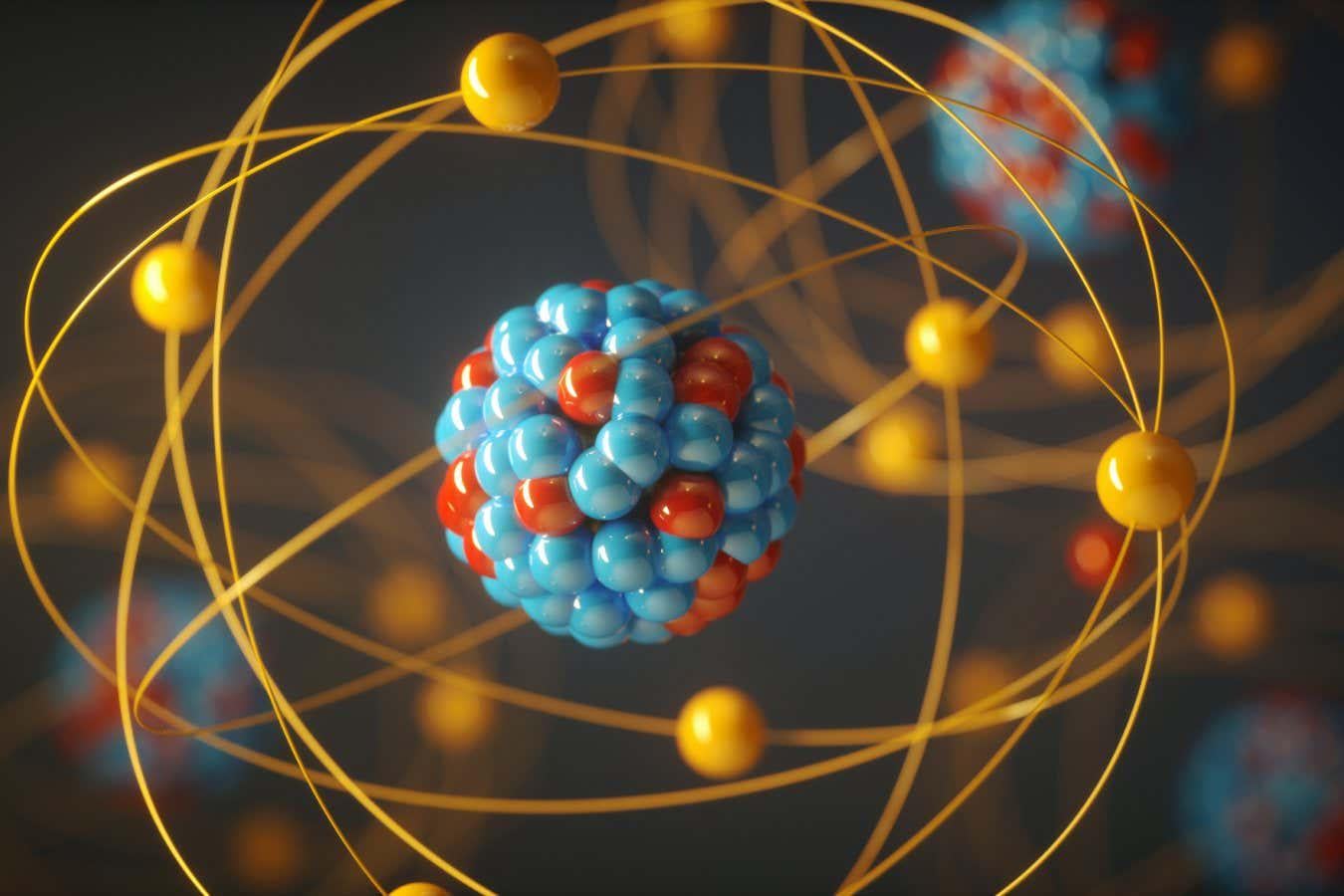
Perhaps a stable Moscovium (element 115) is close at hand?
The change in symmetry that the researchers identified is related to effects described by Albert Einstein’s theory of special relativity, thus painting an even fuller picture of how magic numbers marry together different facets of nuclear theory, says Ebran.
So far, the researchers have tested their theoretical work on a type of tin that is doubly magic because its nuclei each contain 50 protons and 82 neutrons, as well as on several additional nuclei. Going forward, they want to extend their analysis to heavier atomic nuclei, which are typically unstable, and study processes by which heavy nuclei are created in exploding stars or merging neutron stars, says Yao.
The paper:
From Spin to Pseudospin Symmetry: The Origin of Magic Numbers in Nuclear Structure
by Prophead85