Path of Eclipse Shadow
Regions seeing, at least, a partial eclipse: South in Africa, South in South America, Pacific, Atlantic, Indian Ocean, Antarctica
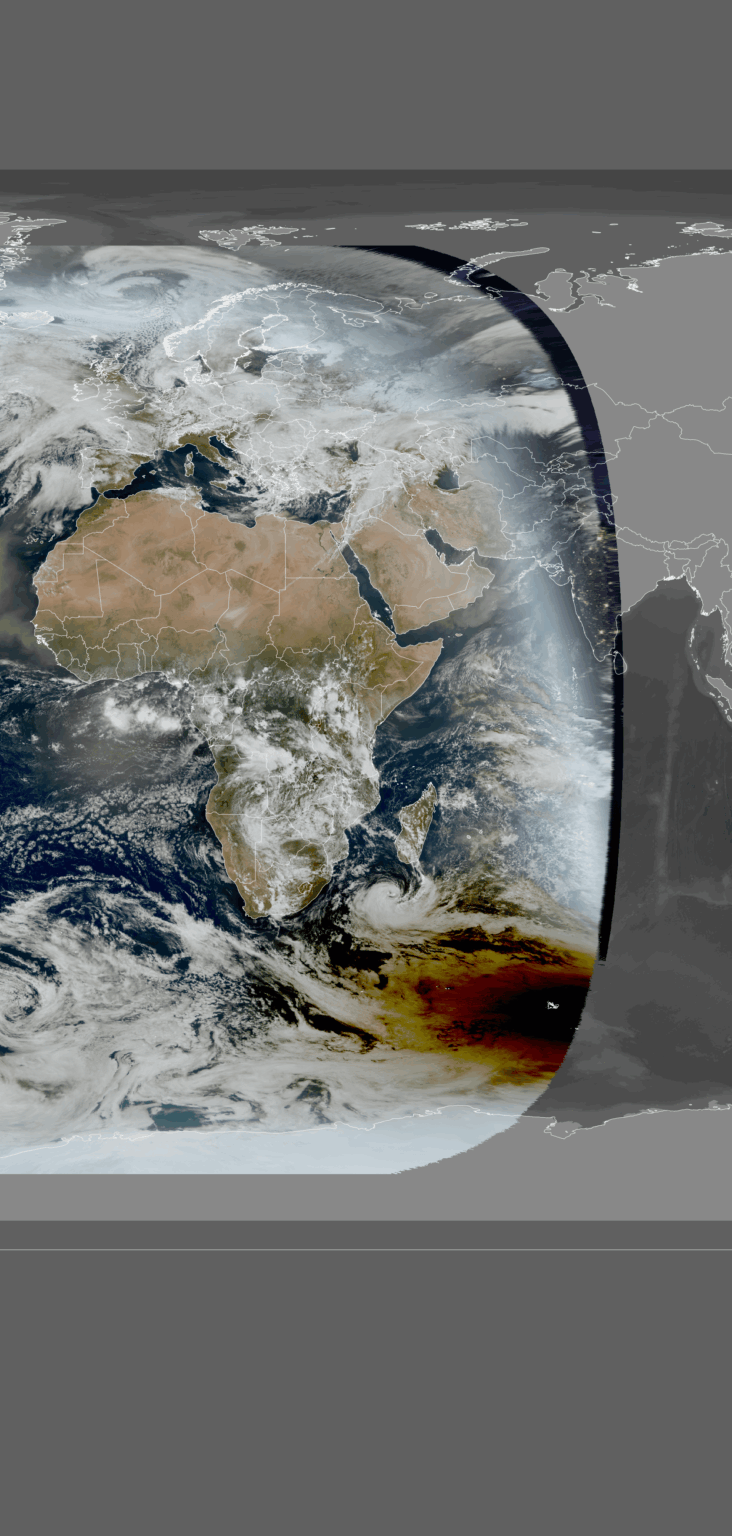
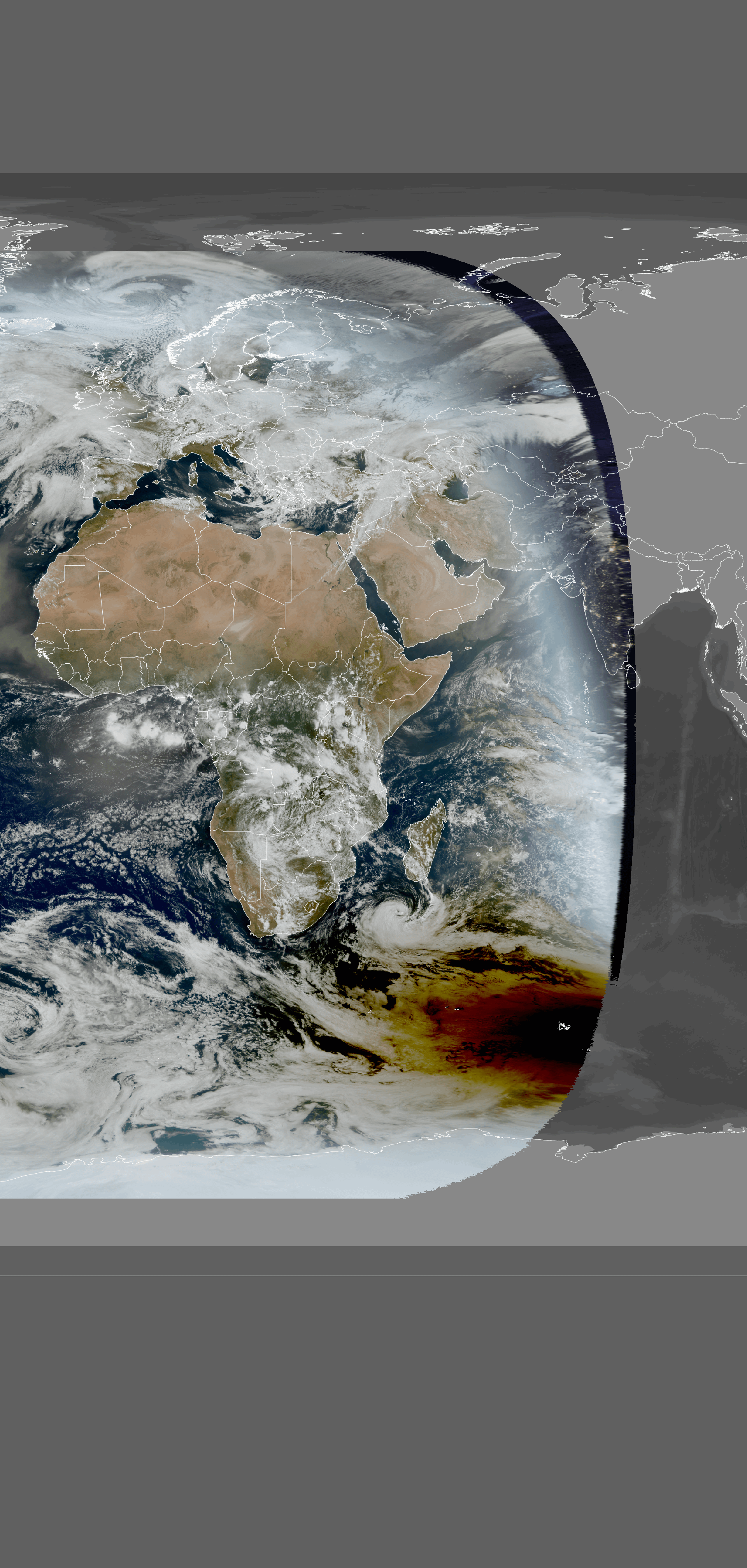
A rare solar eclipse in Antarctica. The action began on Feb. 17th at 11:45 UTC when the New Moon passes straight across the solar disk, producing a “ring of fire” over the frozen continent.
This is not a total eclipse. It is annular, which means the Moon is slightly too small to cover the entire sun. Maximum coverage will be 96%. Two research stations lie inside the path of annularity: The European Space Agency’s Concordia Research Station and Russia’s Mirny Station.

2 Comments
Partial solar eclipse from South Africa live
https://m.youtube.com/watch?v=DfwhUn3OKIs
Path of Eclipse Shadow
Regions seeing, at least, a partial eclipse: South in Africa, South in South America, Pacific, Atlantic, Indian Ocean, Antarctica
A rare solar eclipse in Antarctica. The action began on Feb. 17th at 11:45 UTC when the New Moon passes straight across the solar disk, producing a “ring of fire” over the frozen continent.
This is not a total eclipse. It is annular, which means the Moon is slightly too small to cover the entire sun. Maximum coverage will be 96%. Two research stations lie inside the path of annularity: The European Space Agency’s Concordia Research Station and Russia’s Mirny Station.
America’s primary base, McMurdo Station, will see an 86% partial eclipse. All three are occupied this time of year.
https://spaceweather.com/archive.php?view=1&day=17&month=02&year=2026