

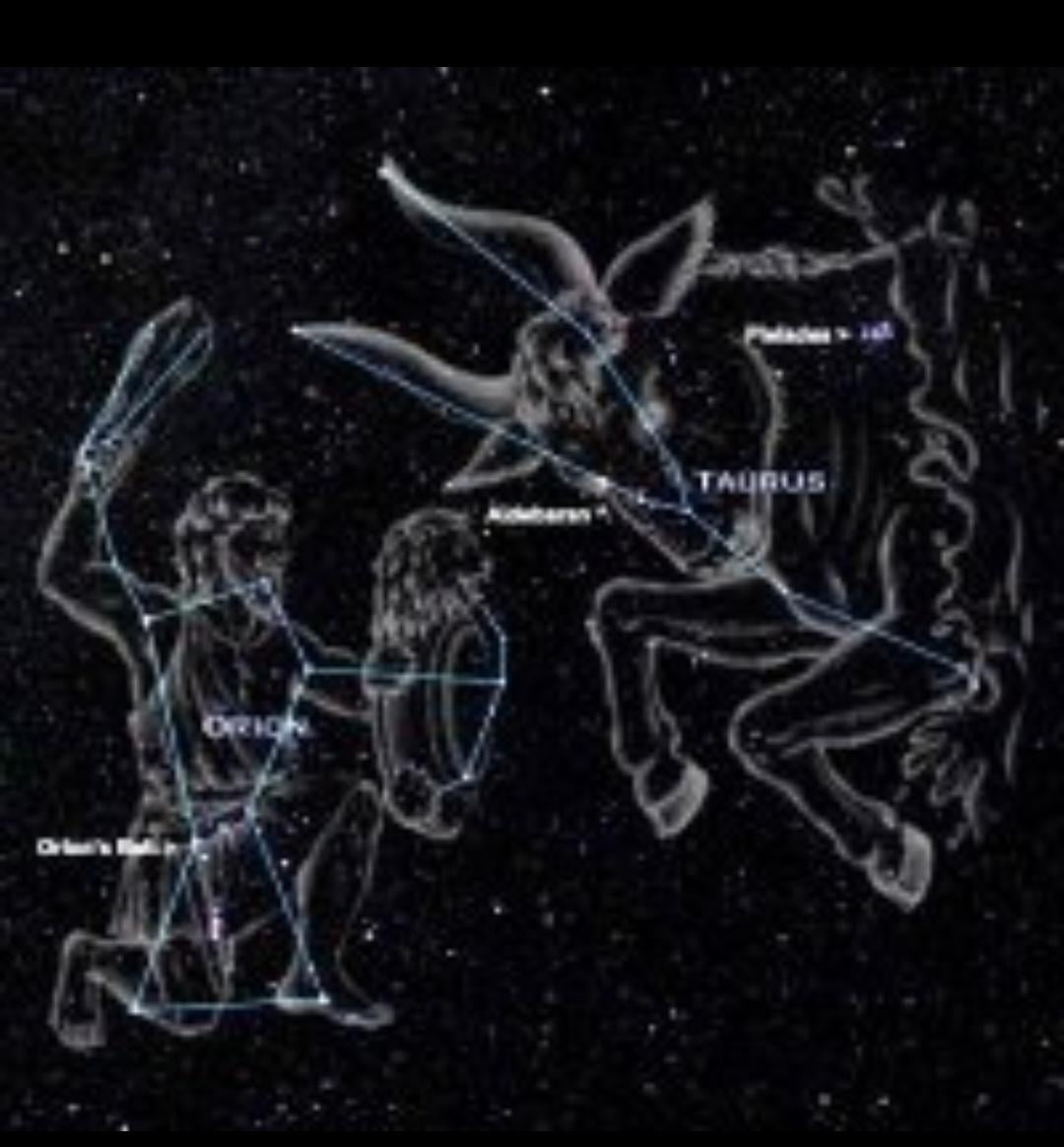
Nimrod, described in Genesis as “a mighty hunter before YHWH,” could be understood not only as a historical figure but also as an astral symbol: Orion, the great hunter of the sky, pursuing Taurus.
This would fit with the context of 2200 BCE, when the Age of Taurus symbolically ends and the shift towards Aries begins, a period of crisis and migrations in Mesopotamia. At that time, Amorite groups (Martu in Sumerian) arrived in Sumer seeking prosperity and clashed with Elam to the east, which could be represented by Taurus both because of its eastern position and its symbolism.
The same conflict appears mythologized in the Enuma Elish: the Amorites are reflected in Marduk, while Elam (Atamti) is projected onto Tiamat and Sumer (Ki-en-gi) onto Kingu. Just as Marduk founded Babylon after defeating Tiamat, Babel is also attributed to Nimrod, as if they were two versions of the same founding archetype: the Amorites/Martu who took Kadingirra and renamed it Babylon. Even the name Nimrod could suggest "he who rebels against Nim" or "he who rules Nim," with Nim being a reference to Elam.
And it is even more interesting that YHWH himself had taurine associations in antiquity, represented as a bull or calf in certain contexts, which transforms the image of the hunter "before YHWH" into a cosmic scene laden with politics, myth, and zodiacal symbolism.
by Dskartes