
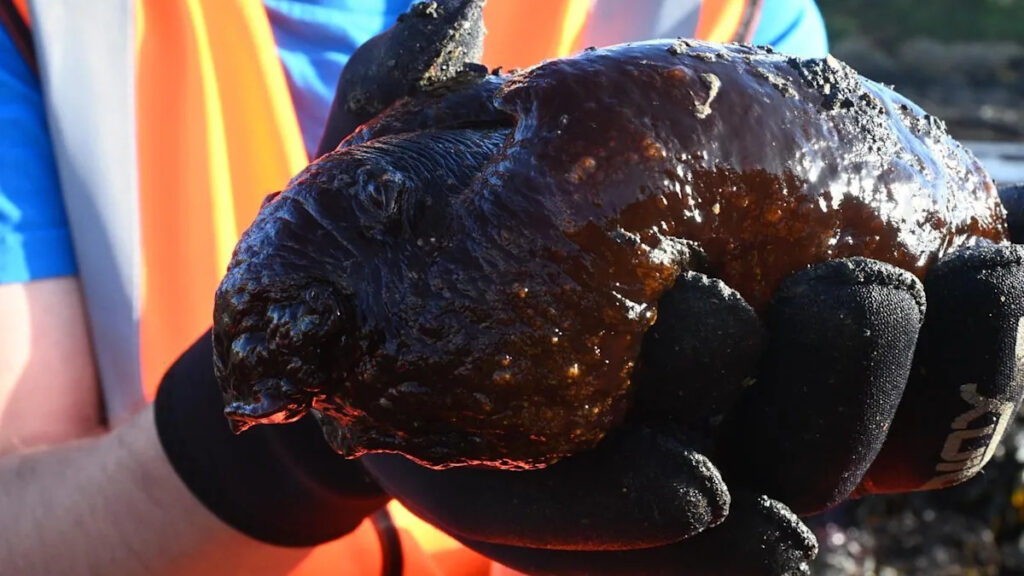
Non-native and rare species of sea slugs described as looking like aliens have been found by a group studying rock pools.
The depilatory sea hare (Aplysia depilans), usually found in the eastern Atlantic and the Mediterranean, was discovered at Mount Batten Beach in Plymouth, Devon, during an event run by the Rock Pool Project.
The Marine Biological Association (MBA) said it was possible warming waters and increased storms may have allowed the species to make themselves “more at home on our shores”.
Plymouth Rock Pool Project leader Zak Russell, who also works as a marine citizen science researcher, said sea hares were not common in the UK and described them as looking “alien-like”.
‘A bit weird’
Five-year-old Charley and his dad Chris, who were new to the BioBlitz Battle group, said they initially thought the creature was “seaweed”.
“If it wasn’t for my son Charley chasing after a large crab, we wouldn’t have found it,” Chris said.
MBA said the species could grow up to 40cm (15.7in) long, weigh up to 380g (13.4oz) and were significantly larger than the more common Spotted sea hare (Aplysia punctata).
Russell said they found two of the sea slugs during the same session and while the team and children were excited, the parents were a “bit grossed out” because it looked “a bit weird”.
“When most people think of a slug, they think of a garden slug which are kind of boring, people know what those are and see them all the time, but this is a sea slug that is quite a unique thing to see,” Russel said.
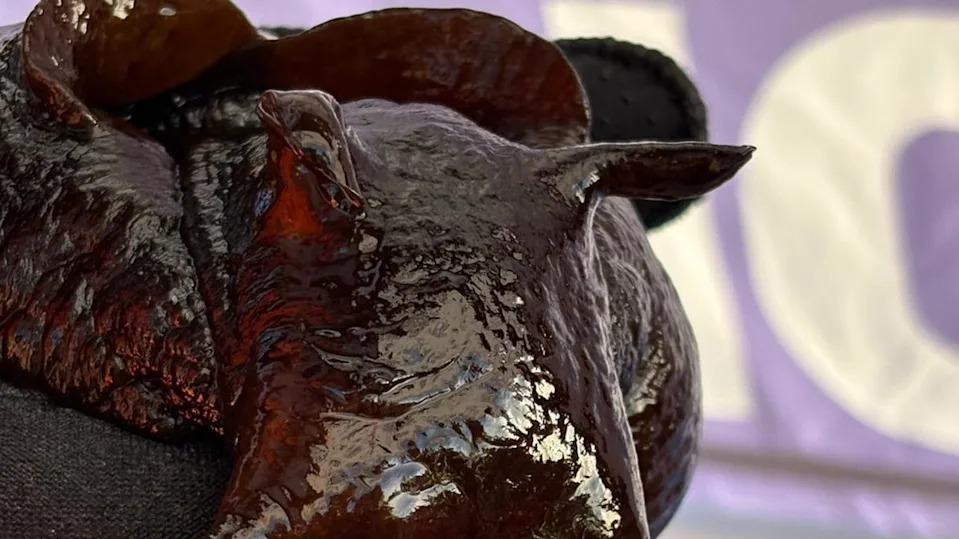
Zak Russell said people needed to admire the species safely [Elin Meek]
He said the species may have traveled to the south coast due to a sudden increase in wave climate.
“They’re not great swimmers, they can swim, but not very well so it’s a good chance this wave energy bought them up and closer to the shore.
“After the storms we’ve had recently there’s been reports of them being washed up on the beaches so that i believe that’s the main way they have gotten here.”
Russell said it was also possible they may have been coming here “naturally” due to the warmer waters.
‘Incredible diversity’
Russell advises anyone who finds a sea slug to “admire them safely,” wear gloves and to have large bucket nearby to observe, and that pulling them off surfaces could harm them.
South west lead of the Big Rock Pool Challenge Loretta Kwok said the joy of discovering something rare could spark a “lasting sense of wonder and a stronger passion for caring for our marine environment”.
She said: “These findings highlight just how rich and dynamic our coastal ecosystems are, and how much there is still to discover right on our doorstep.
“It’s still too early to draw conclusions from this single discovery, but one thing is certain – our local rock pools and coastal habitats are incredibly diverse.”
Follow BBC Devon on X, Facebook and Instagram. Send your story ideas to spotlight@bbc.co.uk.
More on this storyRelated internet links