
Peepo/Getty Images
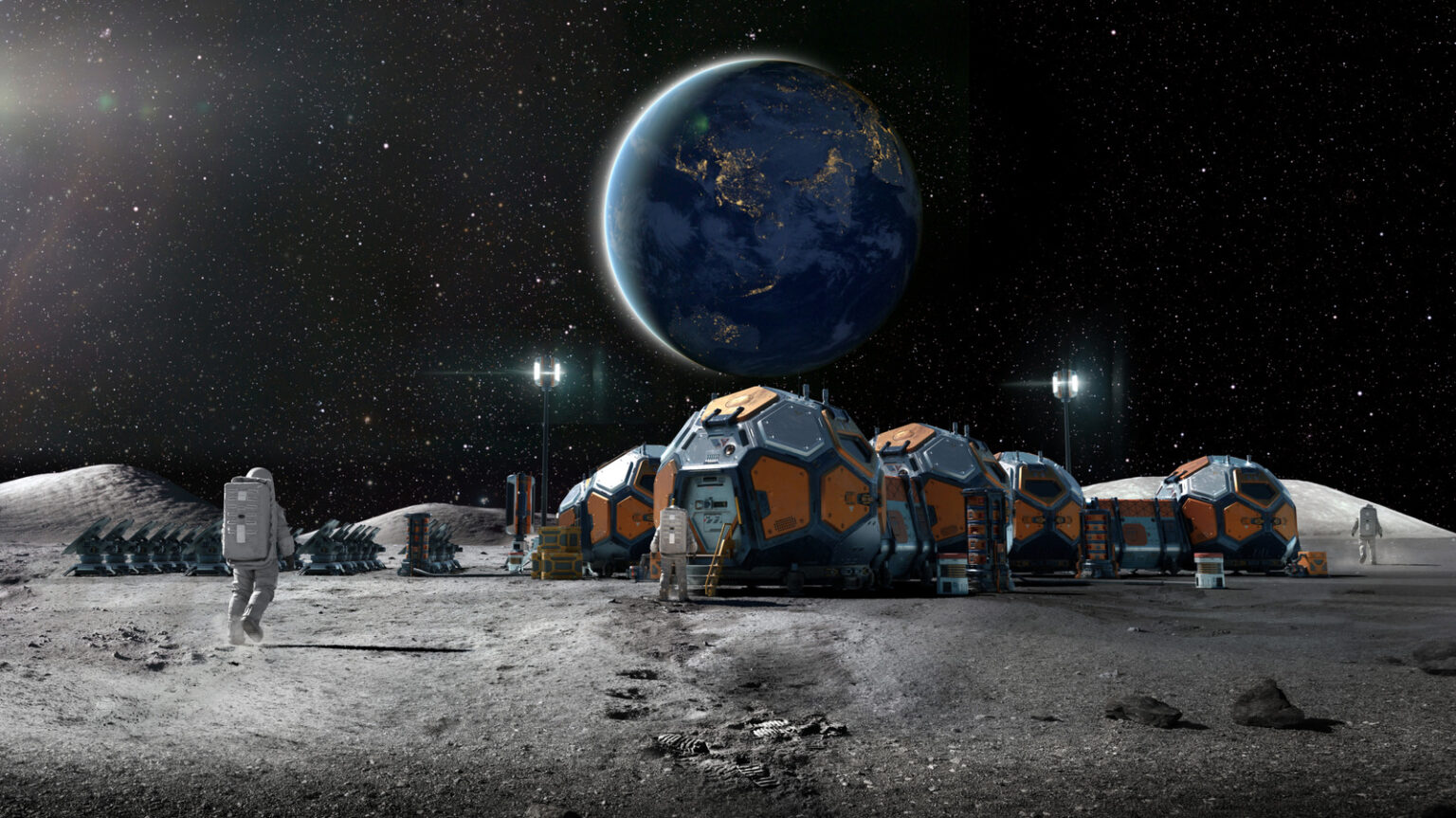
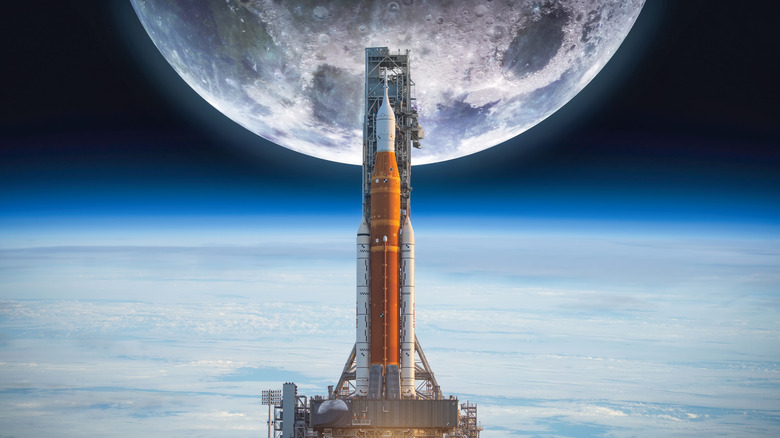
NASA’s Artemis missions, beginning with Artemis I and leading up to Artemis III, will see humanity return to the lunar surface. Set to launch soon, Artemis II will be the first crewed mission beyond Earth’s orbit in decades. But the Orion craft carrying astronauts for that mission will only travel around the moon, with no landing this time. That will be reserved for Artemis III which will land on one of the nine possible landing zones picked out on the moon’s surface. While this is an impressive and historic endeavor, it certainly leaves many wondering why are we going back to the moon, exactly?
There are a few reasons, with NASA administration and astronauts alike sharing them in various interviews. In general, it has the potential to offer great scientific discoveries, economic benefits from materials and information we collect, while inspiring a whole new generation of space-faring explorers.
During a recent podcast by NASA, titled “NASA’s Curious Universe,” host Jacob Pinter asked directly about the moon trips and the intentions. David Beaman, architect of the new rockets taking the astronauts to the moon, starts with, “I’ve heard people ask, why do we need to go back to the Moon, right? We’ve already been.” He calmly explains that although “the Moon is the same [as] when we went in the 60s,” humanity has changed and we have the opportunity to learn more important things. Those new discoveries are all “part of the excitement.”
He also addresses the commentary on returning even though it’s the same. “You don’t say, “Well, you know, I’m not going to go on vacation this year. I went on vacation last year,” right? No! You don’t look at it like that.”
What else does humanity plan to do on the Moon?
Dima_zel/Getty Images
Astronauts aren’t the only ones talking about going back to the moon, or why. In an interview on the future of space exploration, NASA’s new chief Jared Isaacman shared his enthusiasm for establishing a presence on the moon. He also explained how it will open up new opportunities and access to rare minerals, mentioning Helium-3, specifically. Helium-3 is an isotope used for nuclear fusion and available in abundance on the moon’s surface. We may eventually establish Helium-3 mining operations there.
During Artemis II, through a NASA-backed study called AVATAR, scientists will collect data during the mission about how deep space and spaceflight affects the astronauts’ bodies, particularly searching for signs of cellular stress and accelerated aging during the trip. While this study isn’t being done on the moon’s surface, it does show how future trips and experiences will provide us with valuable data, not just about space, but our bodies and future information we can use to thrive in places like Mars. If nothing else, it is exciting to imagine the possibilities.