
Specialists from the European Space Agency (ESA) have successfully adjusted the orbits of two satellites from the Cluster mission. They will enter the Earth’s atmosphere on August 31 and September 1, 2026. A special aircraft will monitor this event.
Problem of space debris
Right now, a number of mega-satellite constellations consisting of many thousands of devices are being created in near-Earth orbit. This raises the logical question of safety. An increase in the number of satellites also means an increase in the number of cases where decommissioned devices will enter the atmosphere. Their unburned debris can pose a threat to human life.
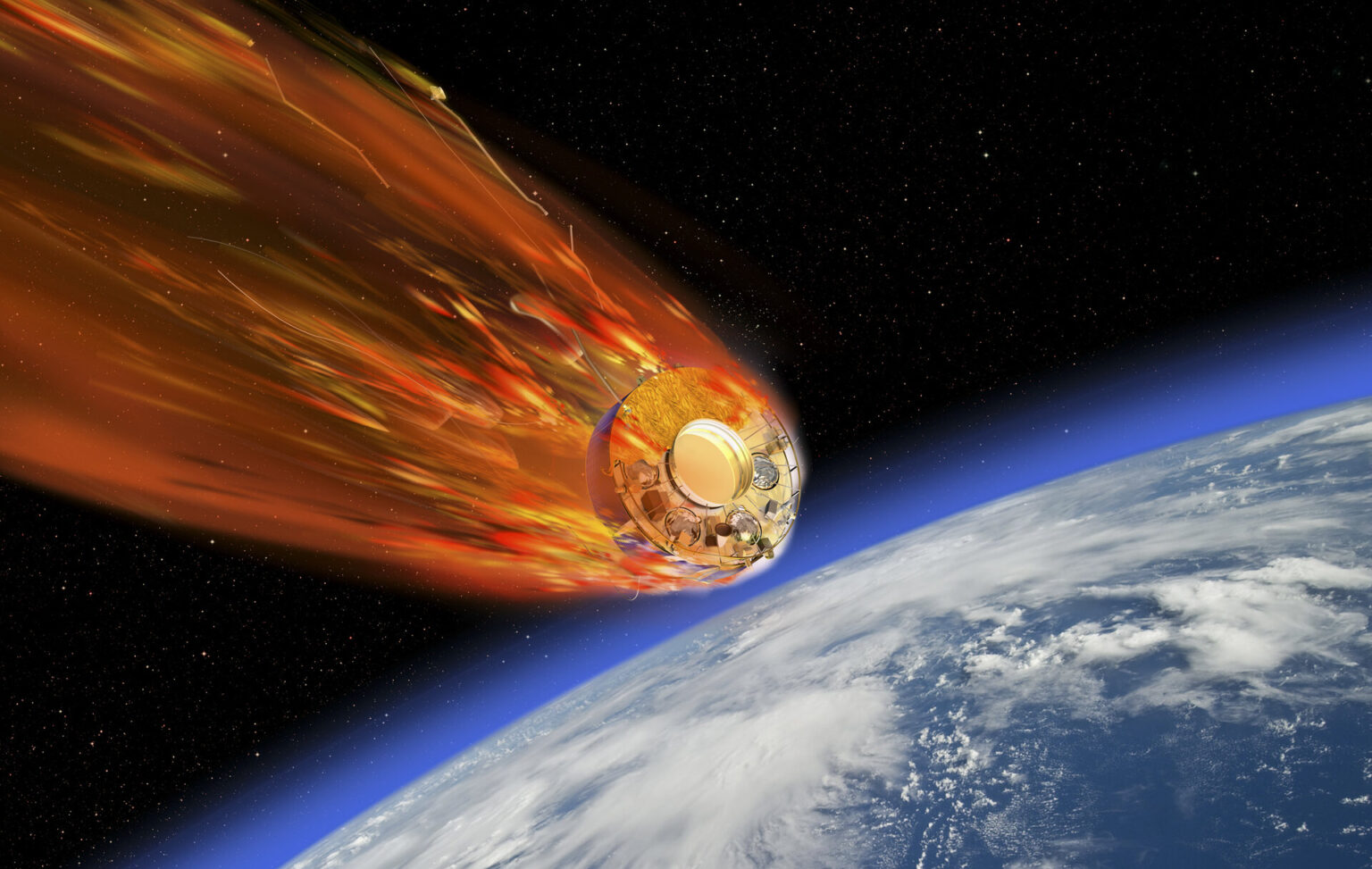 Entry into the atmosphere (concept). Source: ESA/David Ducross
In order for designers to be able to design satellites that will burn up completely in the atmosphere without leaving debris, they need to better understand how this process works: how the devices heat up, which materials are destroyed, and which are able to survive the effects of superheated plasma.
The problem is that it is difficult to observe entry into the atmosphere from close range due to the violent nature of this event. It occurs at an altitude of 80 km, which is too high for observation and sampling using balloons. Satellites in orbit are too far away to see anything, and re-entry points into the atmosphere are usually too unpredictable to observe from the ground or the air. This is where the Cluster mission should help engineers.
The last flight of Cluster
The Cluster mission was launched in 2000 to study Earth’s magnetosphere. It consisted of four spacecraft in elongated orbits. In 2024 and 2025, ESA used two spacecraft from this constellation for a controlled reentry experiment. The team of scientists directly observed this process. They were aboard an aircraft circling around the safety zone immediately surrounding the point where the spacecraft entered the atmosphere.
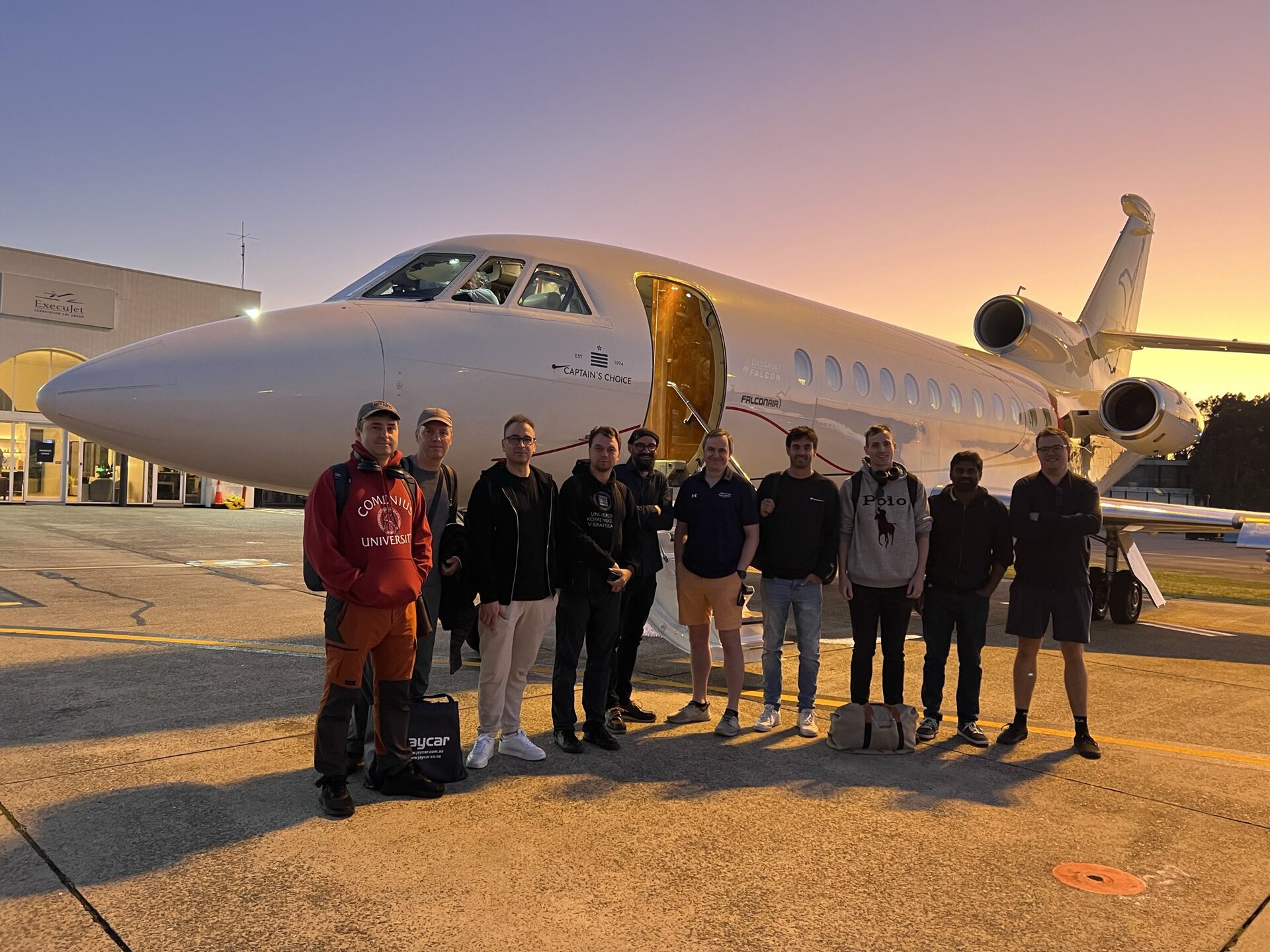 The team of scientists who will observe the Cluster satellites entering the atmosphere. Source: Falcon Air
Now ESA plans to bring the last two spacecraft in the constellation out of orbit. This will take place on August 31 and September 1, 2026. Mission specialists have already sent commands to the spacecraft, which have adjusted their orbits as required. A special aircraft will again monitor the event.
Since the Cluster spacecraft have identical designs, observing their return to the atmosphere at a predictable location with slightly different trajectories and under different weather conditions will provide scientists with unique data that will allow them to make comparisons and establish patterns.
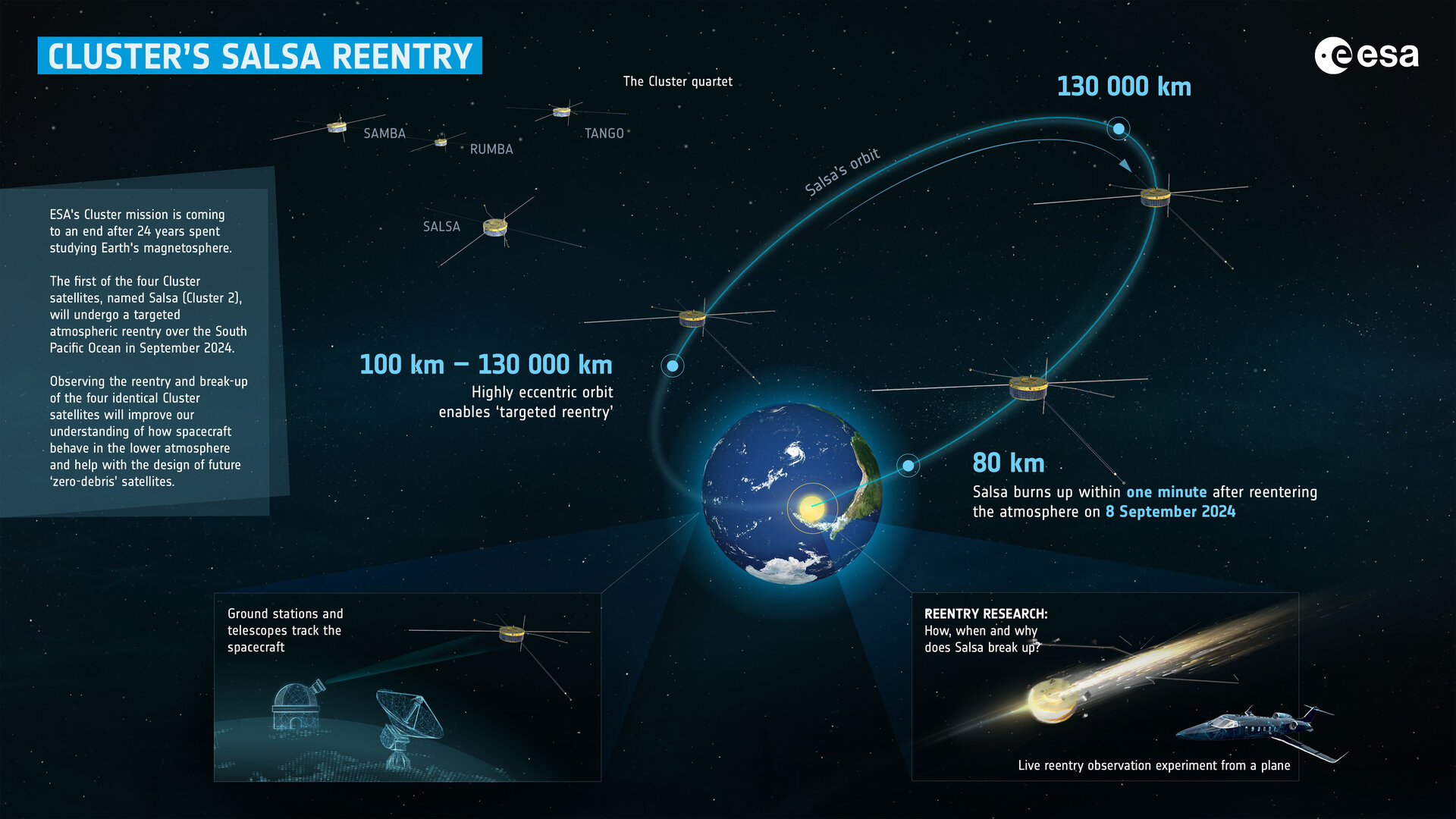 Illustration showing how the entry of the Cluster satellite into the atmosphere was monitored in 2024. Source: ESA
The authors of the experiment hope that the satellites will transmit data until the very end. The two previous devices went into safe mode before entering the atmosphere because their solar panels overheated. The solar panels on the last two spacecraft are in better condition. If they remain active throughout the final perigee pass, scientists will be able to obtain valuable data on the temperature of the satellites when they descend to an altitude of 110 km.
Inside view
The next goal for ESA specialists will be to observe the entry into the atmosphere “from within” and accurately record what happens to the spacecraft. This task has been assigned to the Draco mission.
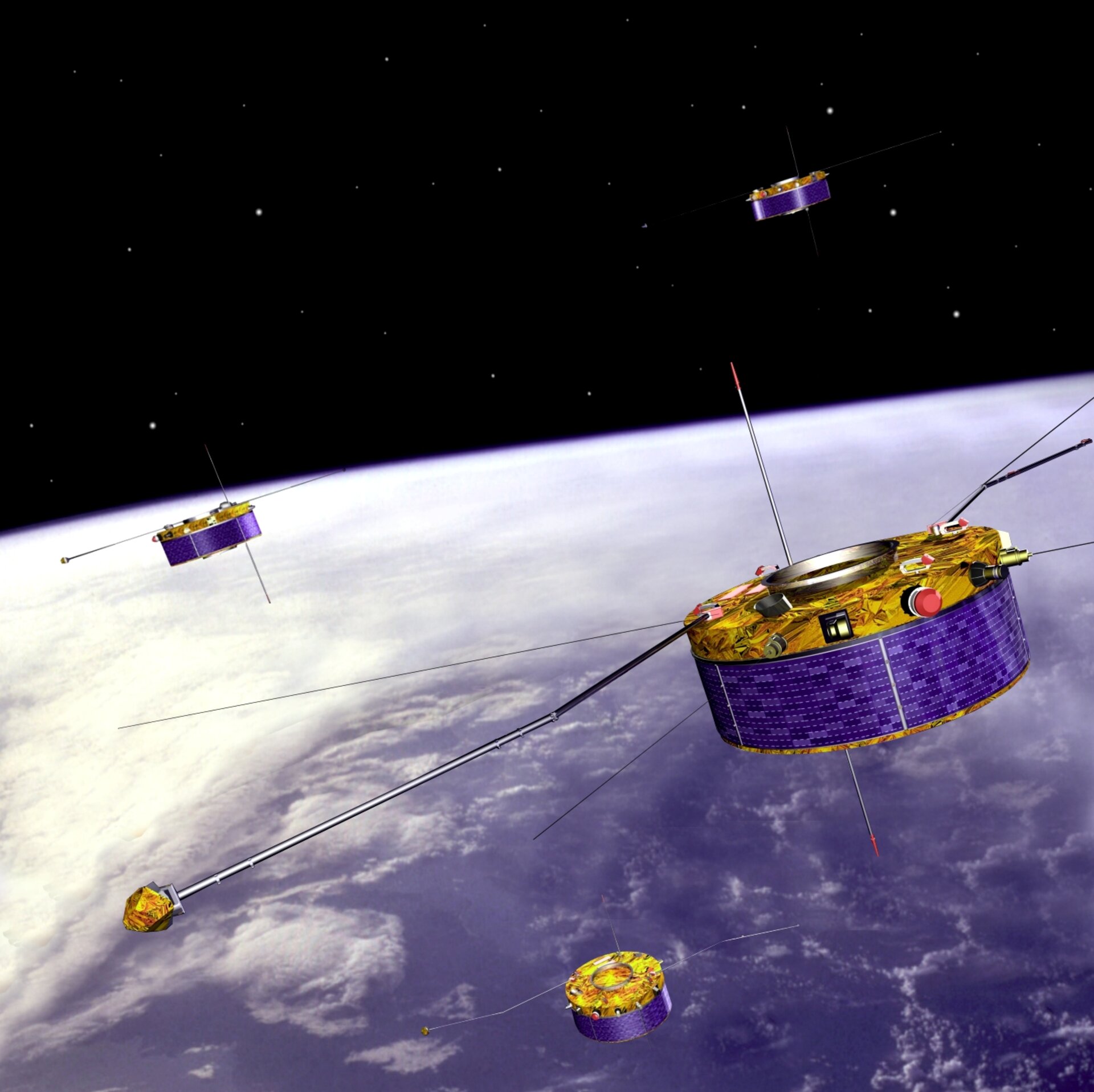 Cluster satellites (concept). Source: ESA
Draco will be launched in 2027 with the aim of recording what happens to it as it enters the atmosphere. The spacecraft will be equipped with more than two hundred sensors, four cameras, and an indestructible capsule for storing the collected data. These will provide scientists with unique details about the process of spacecraft destruction.
According to ESA