
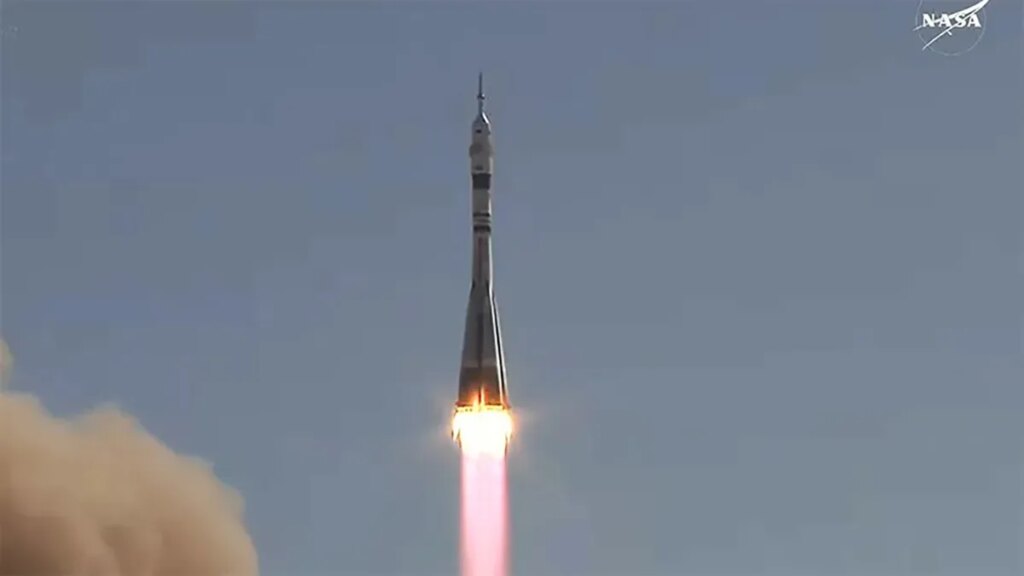
Up until relatively recent memory, the US, Russia and all space-faring nations around the world worked in relative harmony.
Since the culmination of final mission of NASA’s Space Shuttle programme in July 2011, NASA astronauts had been happily hitching a ride to the International Space Station on Russia’s Soyuz rocket.
Such a close relationship in human spaceflight would have been inconceivable during the Cold War Space Race.
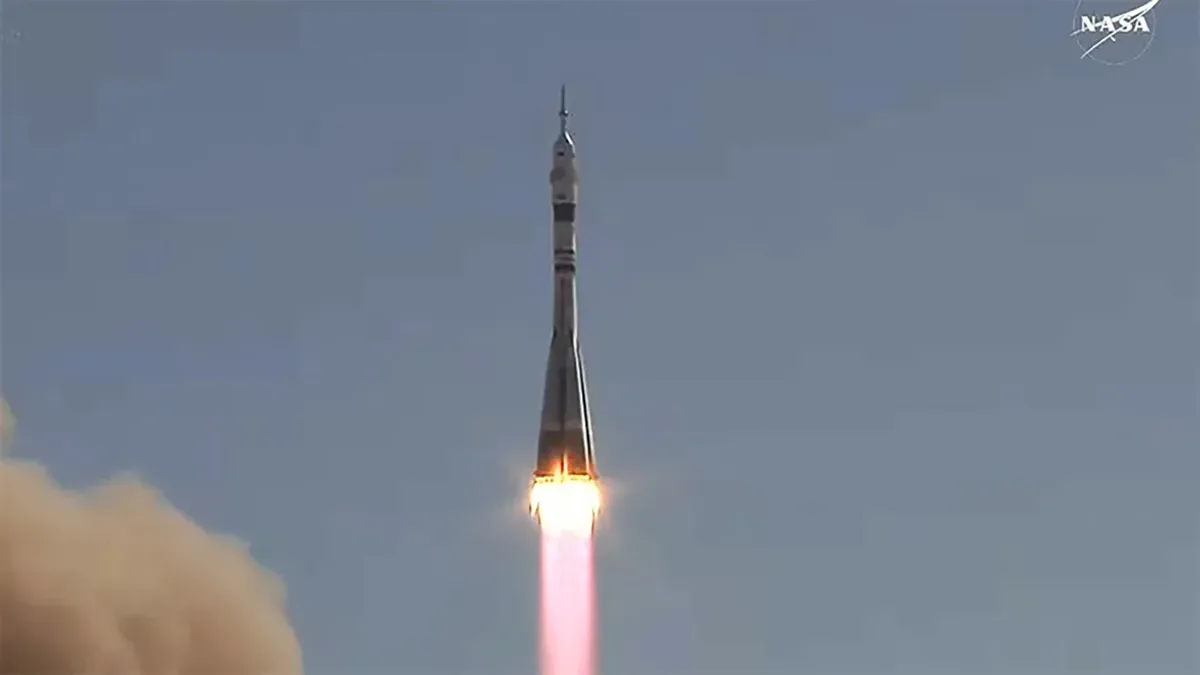 NASA astronauts were launching into space using the Soyuz as recently as 2025. On 8 April 2025, Soyuz MS-27 launched from Baikonur Cosmodrome in Kazakhstan toward the International Space Station, carrying NASA astronaut Jonny Kim and Russian cosmonauts Sergey Ryzhikov and Alexey Zubritsky onboard. Credit: NASA+
What changed, however, was the emergence of private rocket-building firms like SpaceX and Blue Origin.
In recent years, NASA has turned to the private sector – SpaceX in particular – to launch space missions from American soil once more.
And now we’re at the dawn of a new era in spaceflight, as NASA’s Artemis II programme is set to send humans round the Moon for the first time since the Apollo era.
They’ll travel further than any human being has ever travelled.
So where is Russian in all this?
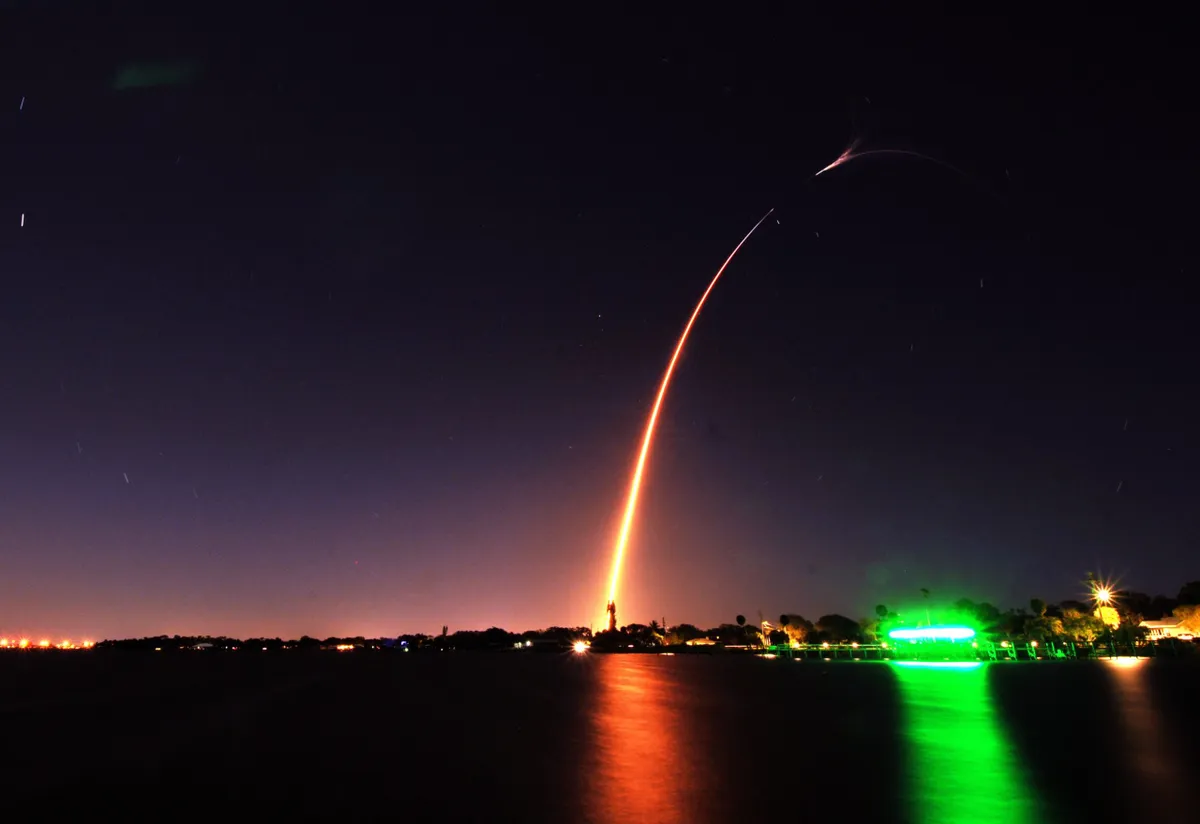 A SpaceX Falcon 9 rocket launches from Cape Canaveral Air Force Station in Florida, USA. Private firms like SpaceX have caused a major shift in how NASA launches its astronauts into space. Photo by Julian Leek/SOPA Images/LightRocket via Getty Images
The bad news for Russian spaceflight fans is that a launch from Baikonur Cosmodrome in Kazakhstan last year left Russia’s only active pad certified for human spaceflight severely damaged, raising doubts over future crewed launches.
The damage occurred on 27 November 2025, when the rocket Soyuz MS-28 lifted off successfully from Baikonur, carrying two Russian cosmonauts and one NASA astronaut to the International Space Station.
After lift-off, engineers discovered the pad’s service platform had collapsed into the flame trench, disabling the facility for future crewed launches.
More on human spaceflight
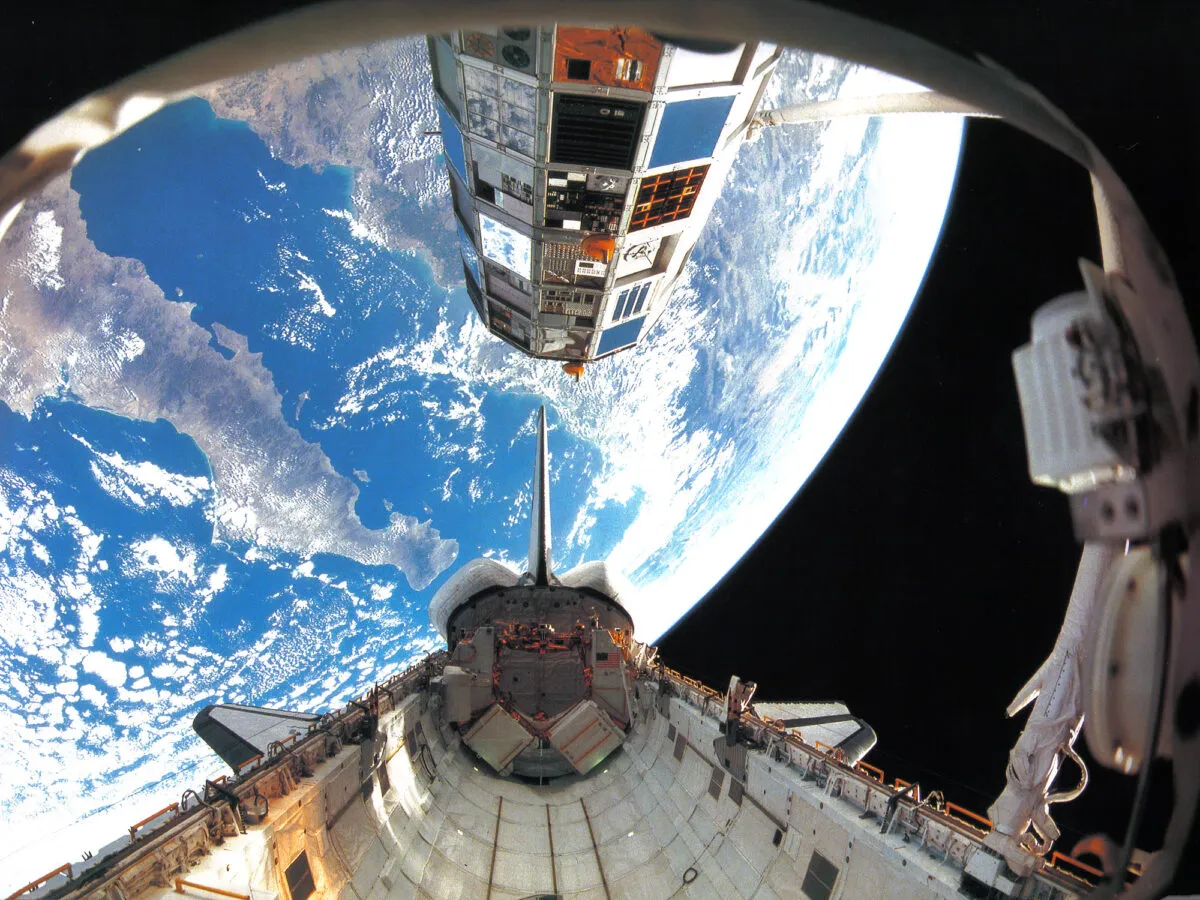 Credit: NASA/Lockheed Martin/IMAX – NASA
“The launch pad was inspected, as is done every time a rocket is launched. Damage to several launch pad components was identified,” Roscosmos, Russia’s space agency, said in a statement.
The agency added: “All necessary spare components are available and the damage will be repaired shortly.”
However, experts have warned that repairs could take as long as two years.
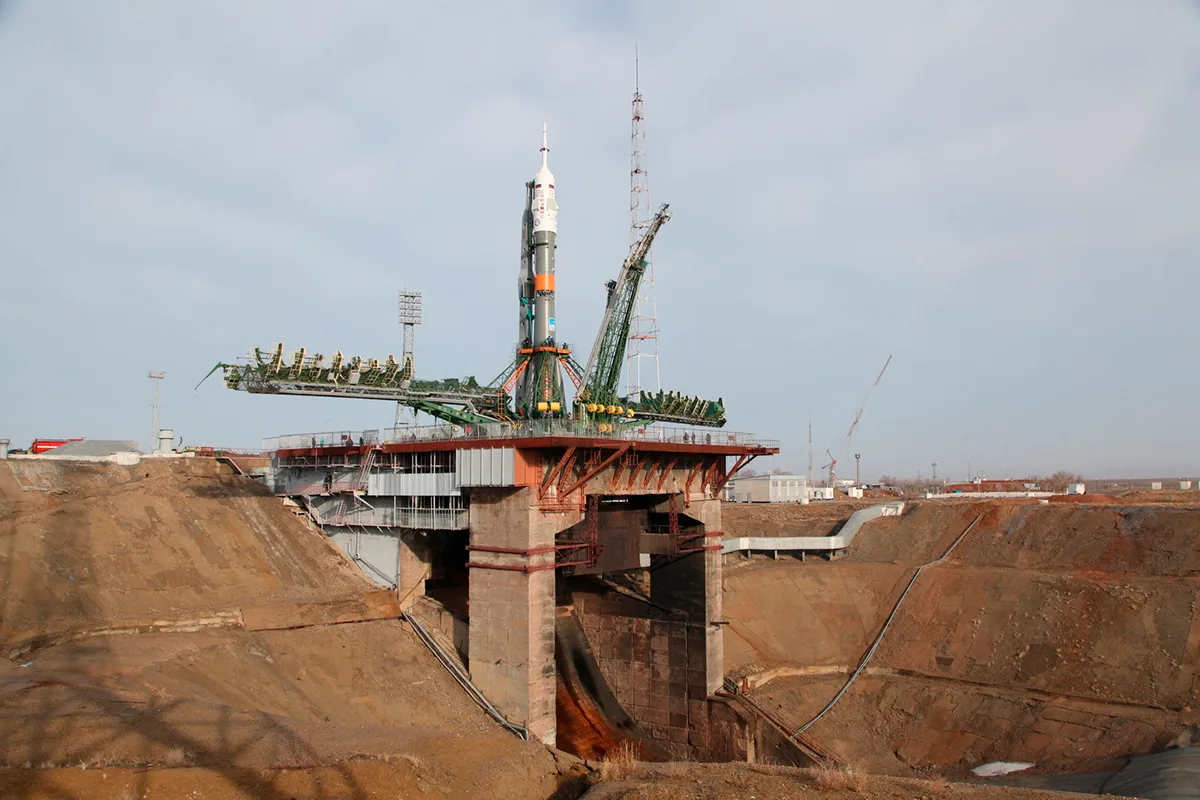 Site 31/6, the only Russian launch pad capable of launching crewed missions, has been out of action since November 2025. Credit: ANADOLU, GETTY
It’s the first time since 1961 that Russia has found itself without a functioning launch pad for crewed missions – a blow to its decades-long legacy of human spaceflight.
Several upcoming missions are now in jeopardy, including returning the cosmonauts from the ISS in July 2026.
Site 31/6, the only Russian launch pad capable of launching crewed missions, has been out of action since November.
Whether Russia is ‘out’ of the space race depends on how quickly it recovers. For now, the damage casts a shadow over the country’s role in future ISS crew rotations and raises uncertainty over longer-term plans, such as its own orbiting space station and lunar ambitions.
What are your thoughts on the Artemis programme and the state of crewed spaceflight today? Share your thoughts with us by emailing contactus@skyatnightmagazine.com