
Sign up for our newsletter and get our latest content in your inbox.
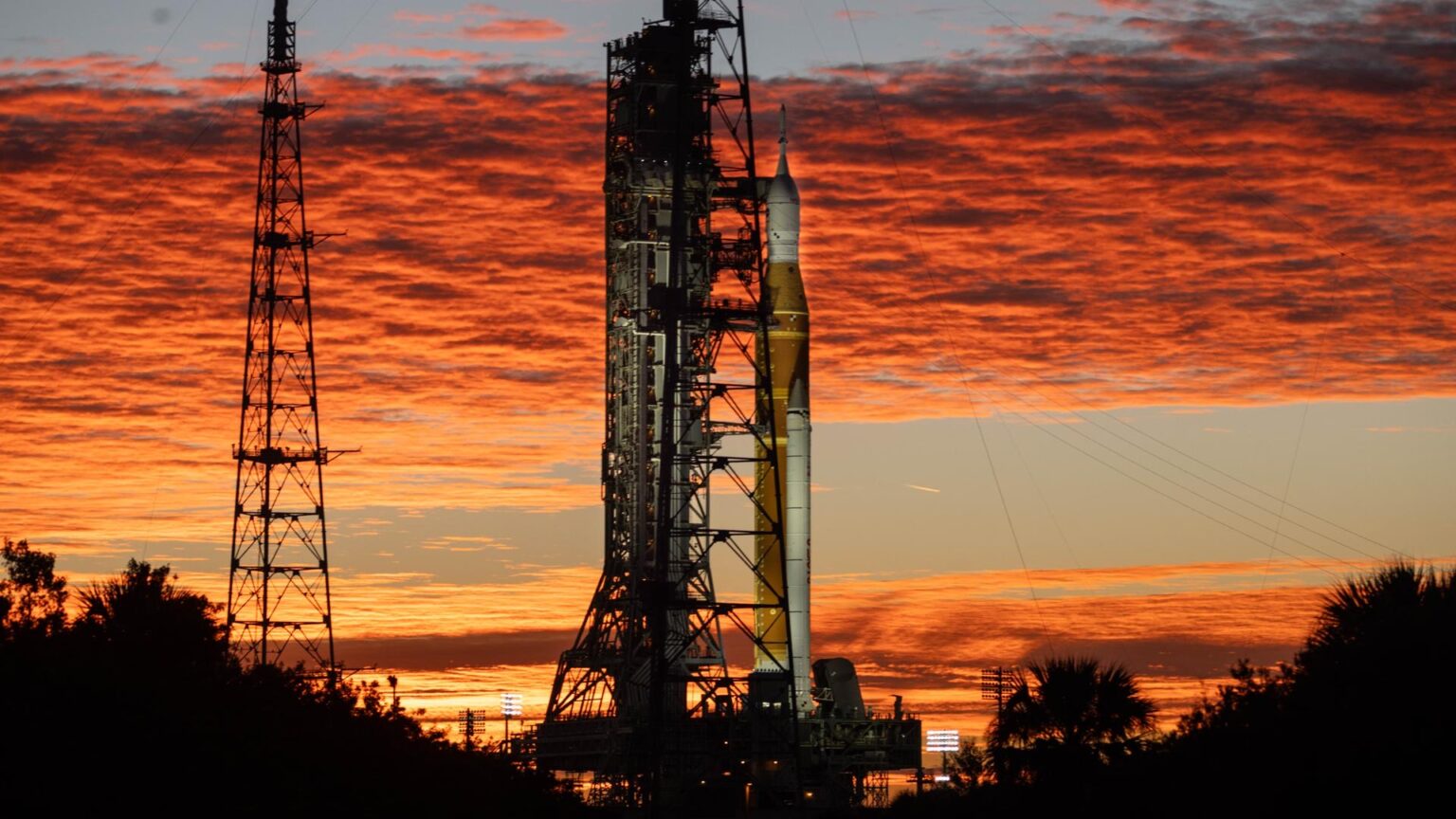
NASA has pushed the launch of its Artemis II crewed lunar mission to no earlier than March, after hydrogen leaks and a series of technical issues during a key pre-launch test prevented the Space Launch System (SLS) rocket from being declared flight-ready for a February window.
The decision follows a wet dress rehearsal conducted at Kennedy Space Center, during which teams fuelled the SLS core and upper stages with liquid hydrogen and liquid oxygen and ran through a full launch countdown sequence.
While the rehearsal met several objectives, NASA concluded that the vehicle requires further analysis and an additional test before committing to flight.
Hydrogen leaks resurface during critical SLS test
According to NASA, the rehearsal was interrupted by hydrogen leaks detected at the interface where liquid hydrogen is transferred into the SLS core stage.
Fuel loading was paused twice as engineers assessed rising leak rates, ultimately forcing the agency to halt the countdown at T-minus 5 minutes, 15 seconds and drain the rocket.
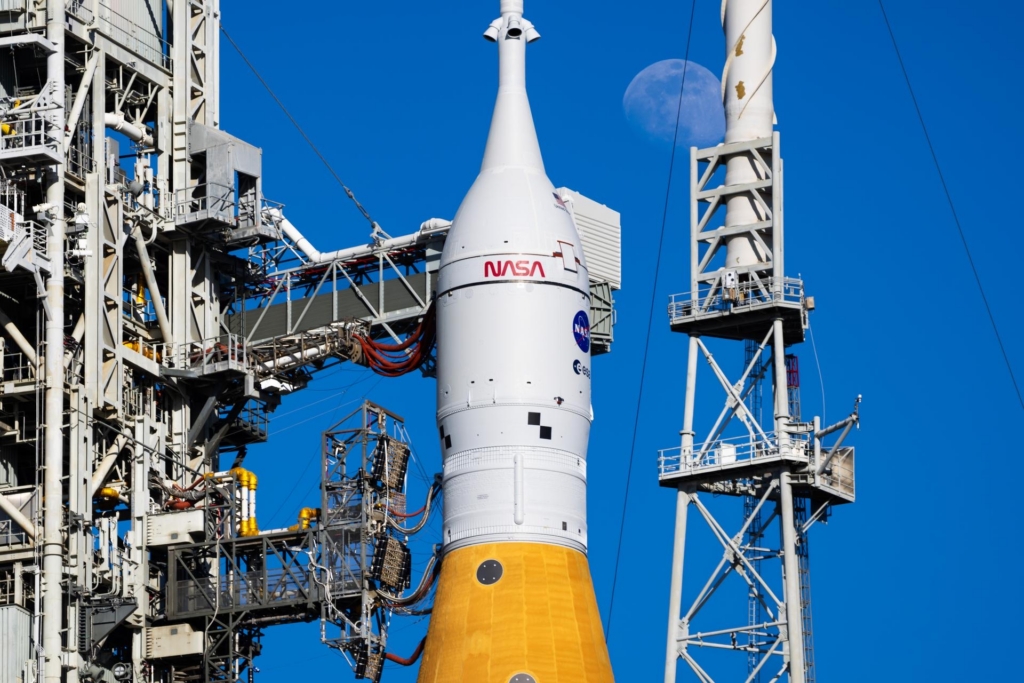 Photo: NASA
Hydrogen handling has been a recurring challenge for the SLS programme. Similar leaks delayed the uncrewed Artemis I mission in 2022, leading to multiple scrubbed launch attempts and extended ground testing.
NASA officials had previously expressed confidence that those issues had been resolved, but the latest rehearsal indicates that hydrogen management remains a critical risk area.
In addition to the leak, the test was affected by a valve issue in Orion’s hatch pressurisation system, unseasonably cold weather that delayed tanking operations, and intermittent communications dropouts between ground teams.
March is now the earliest possible launch window for Artemis II
With the February launch window closing on 11 February, NASA has shifted its planning to early March. The new window opens on 6 March and runs through 11 March, offering five two-hour launch opportunities.
A secondary window in early April is also under consideration should further testing be required.
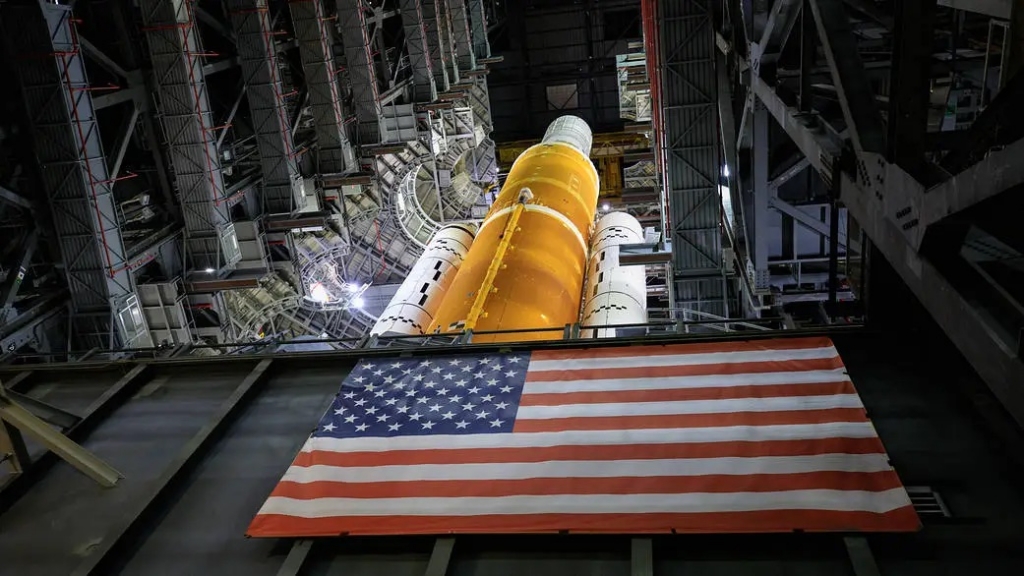 Photo: NASA
NASA Administrator Jared Isaacman acknowledged the delay, noting that long gaps between SLS launches make it inevitable that issues will surface during testing. He stressed that the wet dress rehearsal is specifically designed to uncover such problems before flight.
As a result of the schedule change, the four Artemis II astronauts, Reid Wiseman, Victor Glover, Christina Koch and Jeremy Hansen, have exited pre-launch quarantine and will re-enter isolation closer to the revised launch date.
Why Artemis II matters
Artemis II is the first crewed mission of NASA’s Artemis programme and will send astronauts on a lunar flyby aboard the Orion spacecraft. The mission will validate life-support systems, navigation, communications and deep-space operations ahead of a future lunar landing.
Unlike Artemis I, which was fully uncrewed, Artemis II represents a major step up in programme complexity and risk.
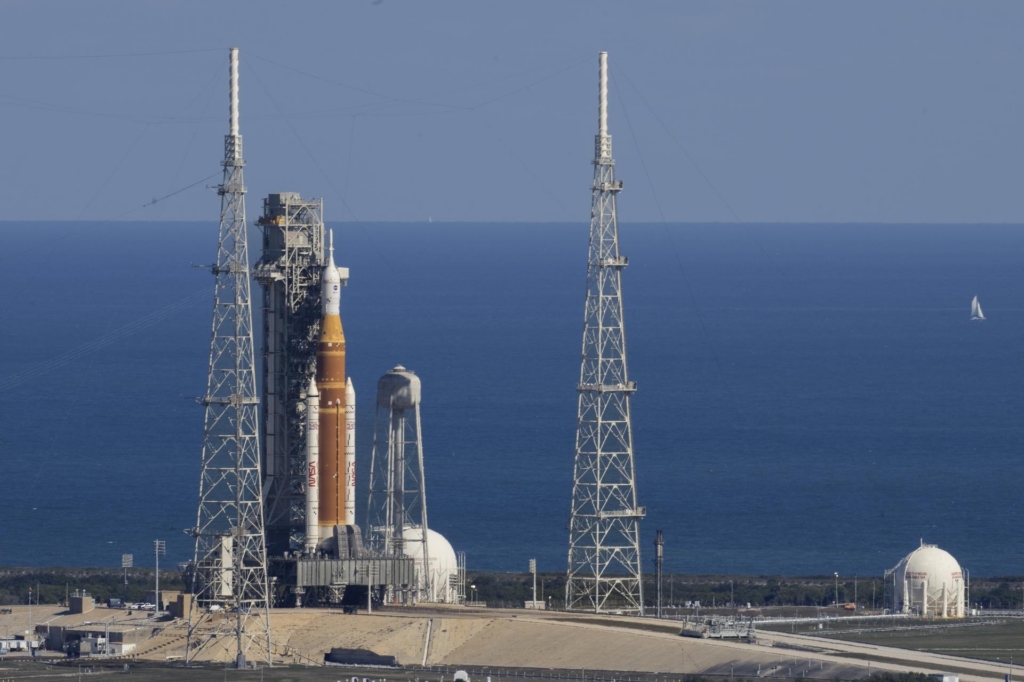 Photo: NASA
Any anomalies identified on the ground are therefore treated conservatively, particularly where propulsion, cryogenics and crew safety are concerned.
The mission is also a critical dependency for Artemis III, which aims to return astronauts to the lunar surface later in the decade.
A prolonged delay to Artemis II would place additional pressure on downstream schedules, already strained by development challenges with the Human Landing System and supporting ground infrastructure.
Operational knock-on effects for NASA’s launch schedule
The Artemis II delay has also eased congestion in NASA’s launch manifest.
Agency officials confirmed that pushing Artemis II into March clears the way for the Crew-12 mission to the International Space Station, which can now proceed as early as mid-February without schedule conflicts.
Had Artemis II launched in February, Crew-12 would likely have been delayed until after the Orion mission completed its roughly 10-day flight, highlighting how tightly coupled NASA’s human spaceflight calendar has become.
A familiar pattern of delays for NASA’s Artemis programme
Schedule slips have become a defining feature of the Artemis programme.
Artemis I was delayed multiple times due to hardware issues, weather constraints and ground system readiness, eventually launching in November 2022 after more than a decade of development.
More recently, Artemis III has been officially pushed back to 2027, reflecting the cumulative impact of technical complexity across the programme.
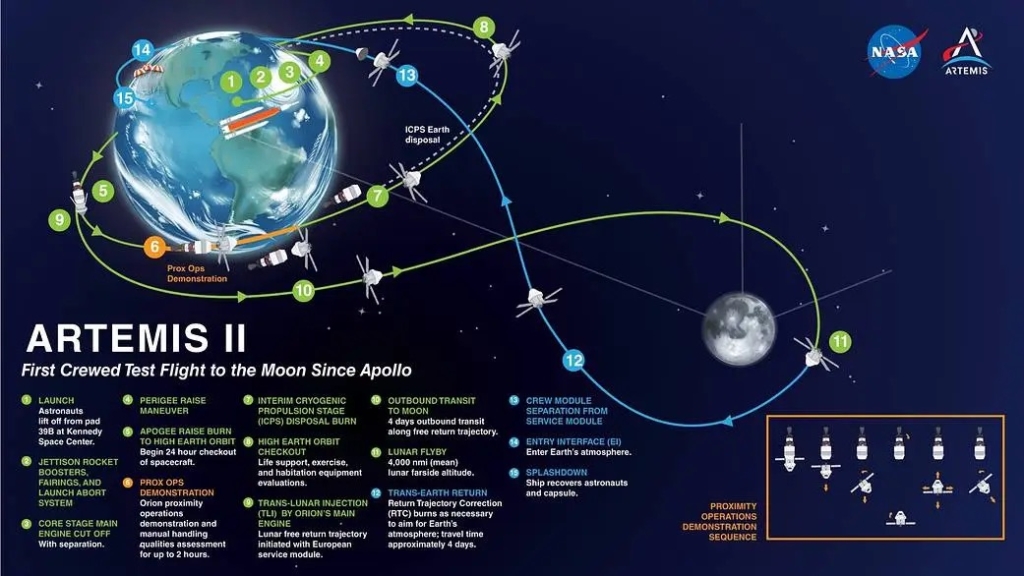 Photo: NASA
NASA has repeatedly stressed that Artemis is not a single mission but a long-term architecture, combining the SLS rocket, Orion spacecraft, lunar landers, surface systems and international partnerships.
That ambition, while central to the programme’s goals, leaves little margin for error when any one element encounters delays.
From NASA’s perspective, the Artemis II slip reflects a deliberate choice to prioritise test discipline over schedule pressure.
Hydrogen leaks, valve anomalies and communications issues are far easier to resolve on the ground than during a crewed deep-space mission.
While the delay may frustrate programme watchers and policymakers, it underscores the realities of flying one of the most complex launch systems ever assembled, particularly after multi-year gaps between launches.
Featured image: NASA
Sign up for our newsletter and get our latest content in your
inbox.