
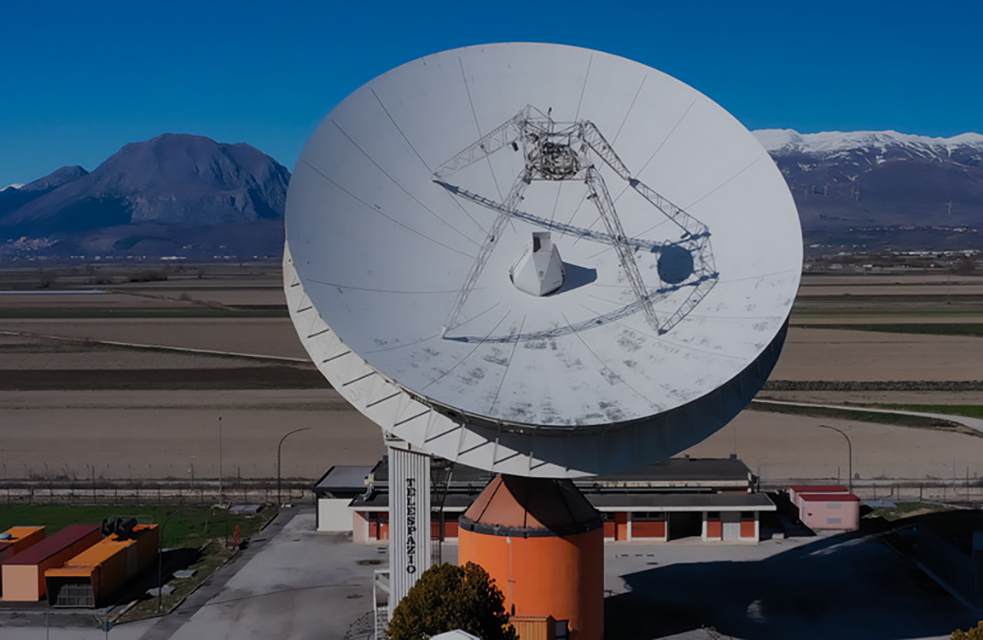
On February 3, 2026, the Italian Space Agency (ASI) and Telespazio (a Leonardo Group company) signed a strategic agreement to launch the RESPONSE program.
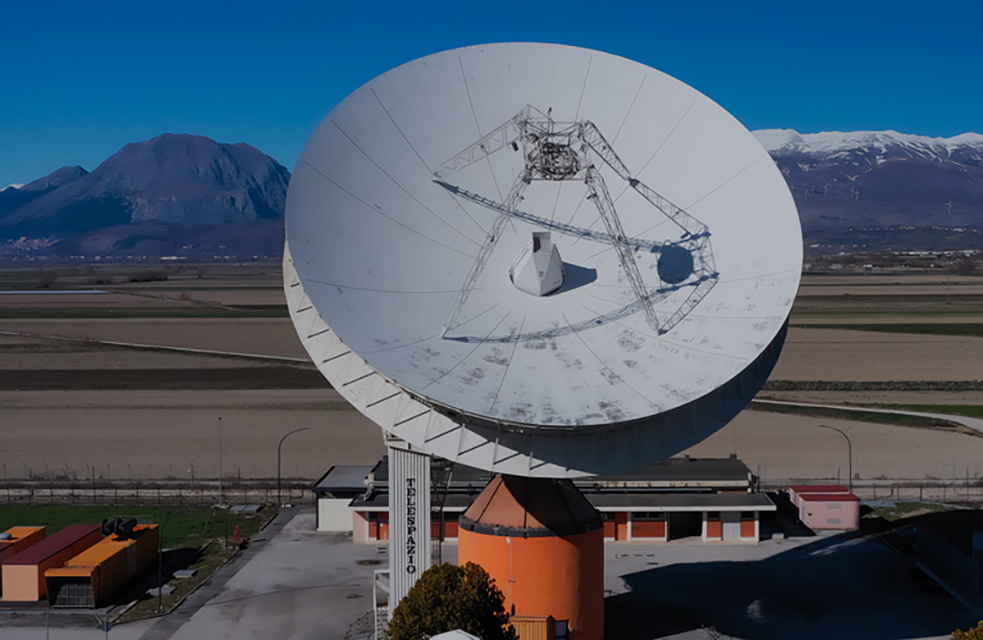
This initiative focuses on modernizing the historic FOC-1A antenna at the “Piero Fanti” Fucino Space Centre in Abruzzo, Italy, transforming it into a cutting-edge hub for Near-Earth and Deep Space communications.
Upgrading a Symbolic Icon of Space History
The FOC-1A antenna is a 27-meter-diameter parabolic dish that holds significant historical value; it was the specific facility that transmitted the live images of the 1969 Apollo 11 Moon landing to Italian television audiences. Under the RESPONSE program, this infrastructure will be overhauled to meet the high-data-rate requirements of 21st-century exploration.
Key Objectives of the RESPONSE Program
The modernization effort is designed to integrate the Fucino Space Centre into the global space economy and support several major international programs:
Lunar Connectivity: The antenna will support communications for NASA’s Artemis program and the ESA Moonlight initiative, for which Telespazio serves as the Prime Contractor.
Deep Space Missions: Upgrades will allow the antenna to facilitate data exchange for missions traveling beyond 2 million kilometers from Earth, including the exploration of Mars.
ESTRACK Integration: The facility will become a key node in the European Space Tracking (ESTRACK) network, ensuring continuous and reliable tracking for ESA-led missions.
Strategic Importance: The “Moon-to-Earth” Data Highway
As humanity transitions from lunar flybys to a permanent presence on the Moon, the demand for high-resolution video, scientific telemetry, and real-time voice communications is skyrocketing. “Lunar communications are not merely technical support, but a true strategic infrastructure,” noted Alessandra Farese, SVP of Satellite Systems & Operations at Telespazio.
Roberto Formaro, Head of ASI’s Engineering and Technology Directorate, added that the antenna’s geographical location—situated in the Fucino plain—makes it a perfect bridge within the network of international ground stations.