
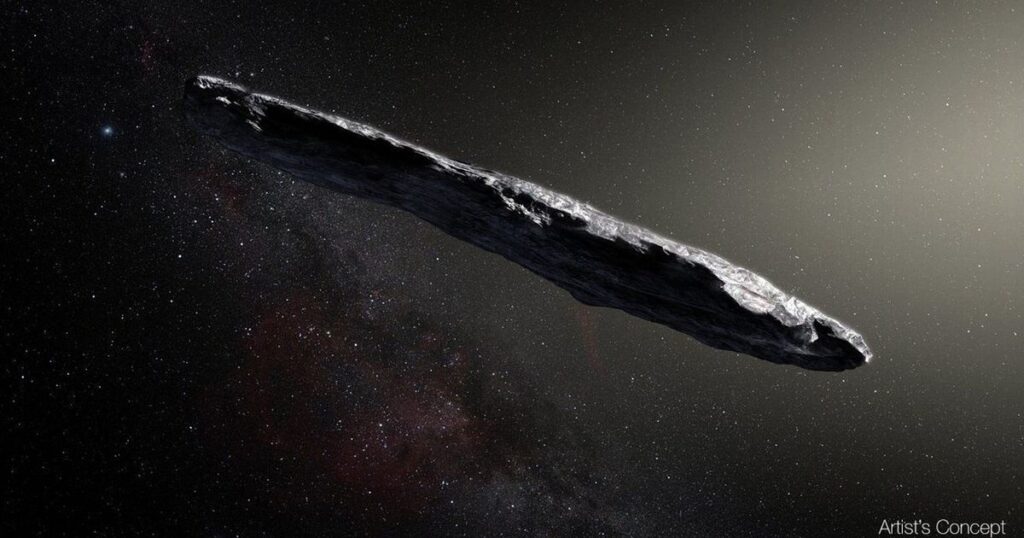
3I/ATLAS has long disappeared from view after whizzing past the Earth in December, but some scientists are certain there is life on the interstellar object we need to find
18:13, 02 Feb 2026Updated 18:18, 02 Feb 2026
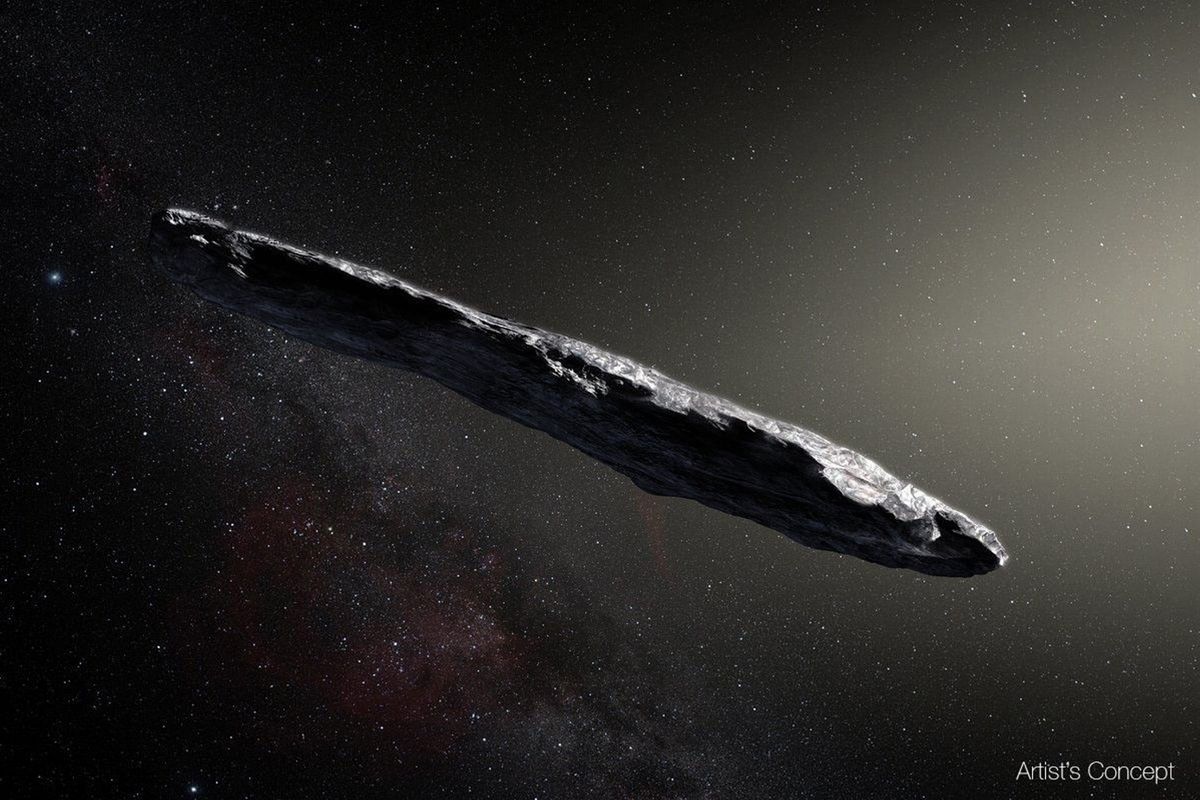
New claims are being made about 3I/ATLAS after it whizzed past Earth in December (stock)(Image: NASA / SWNS)
A top space scientist has claimed that 3I/ATLAS could have been home to various lifeforms that humanity let slip away. Astrophysicist Avi Loeb blasted Earth for being late to get into the space exploration game.
Interstellar visitor 3I/ATLAS whizzed past the Earth on December 19, 2025, months after it was first spotted by our best satellites. Prof Loeb claimed the interstellar object was in fact a potential ” alien spacecraft” heading to Earth to discover about our planet.
But despite most scientists agreeing it is a comet, he fears there could have been life on the passing asteroid and joked: “For all we know, we might all be Martians.”
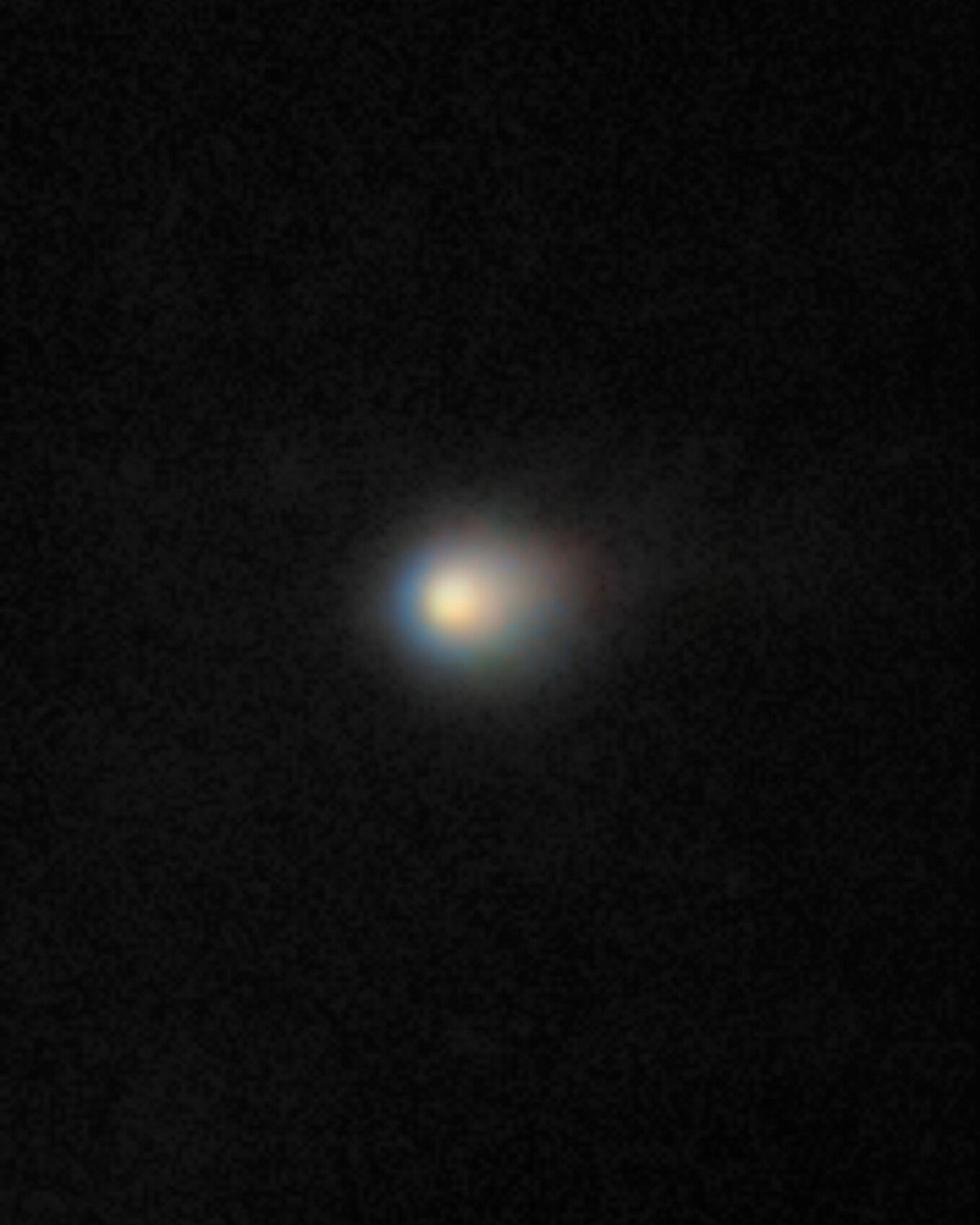
3I/ATLAS was confirmed to be a comet back in December, but some scientists believed it to be an “alien spacecraft”(Image: NSF NOIRLab/Int.Gemini Ob et al. / SWNS)
In his latest blog post, he wrote: “Throughout history, humans survived by having kids, but they also aspired to build monuments like the pyramids to cement their mark on history.
“The exchange of rocks between early Mars and Earth could have led to the transfer of life between these neighbouring planets.”
He explained that as a result of the early formations of our planet and nearby Mars, the Red Planet may have been able to help Earth begin its journey of life as we know it.

Avi Loeb believes 3I/ATLAS could now have been an “interstellar gardener” trying to populate planets(Image: Image credit: C.M. Lisse et al. 2026)
Turning to 3I/ATLAS, he made the idea that the asteroid could have been an “interstellar gardener”, appearing to spread life in multiple places as it rushes past worlds, with no end in sight. He added that the tail of the comet seemed to contain all the natural ingredients needed for life water, carbon dioxide, carbon monoxide and methane; all of which helped to shape humans and animals.
He went on to explain in his view that the potential for life on the strange floating object could have been triggered when it raced past the sun.
Saying that methane was only detected after 3I/ATLAS went past the star, he said it “raises interesting questions” and suggested that there may have been life on the comet itself.
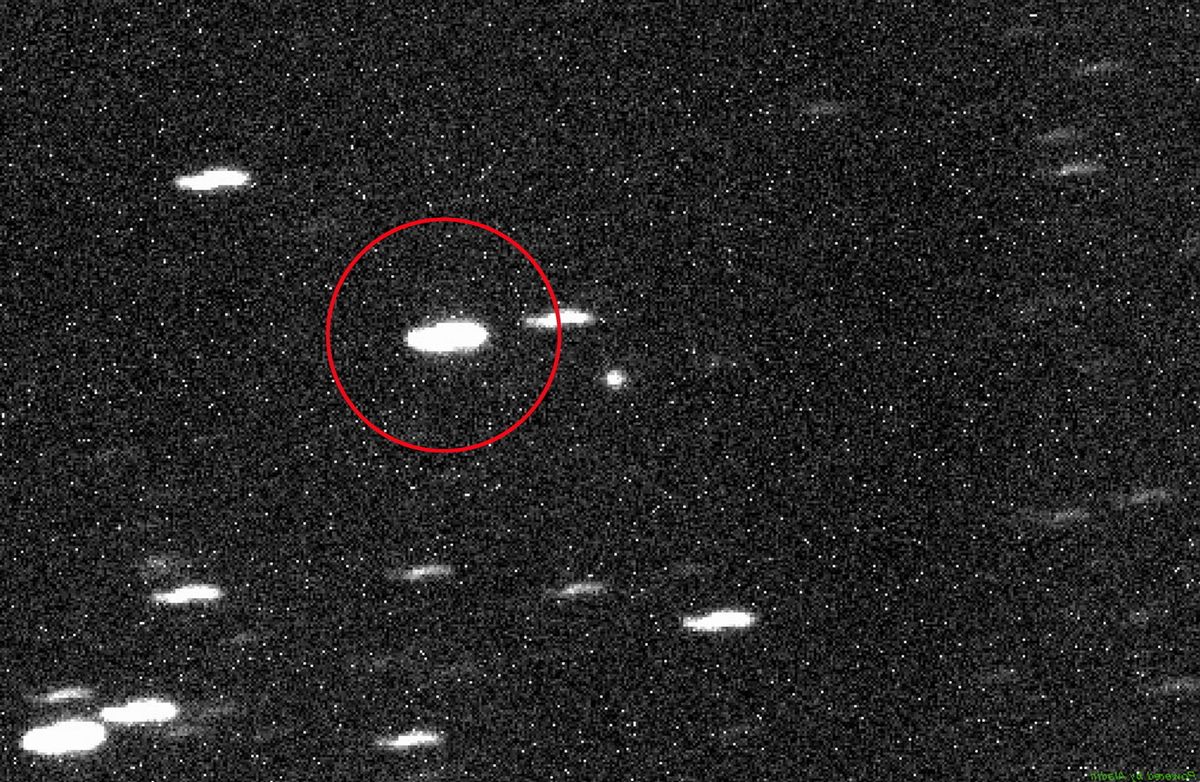
He went on to blast Earth for not trying to find out more about the strange object(Image: K Ly/Deep Random Survey / SWNS)
He added: “Within this scenario, the early detection of carbon-monoxide outgassing on 3I/ATLAS is surprising as carbon monoxide is more volatile than methane and should therefore be depleted from the surface, yet it was detected prior to methane.
“Could it be that the detected methane is produced by lifeforms?”
He went on to slam Earth’s slow reaction to wanting to find out more about 3I/ATLAS and its potential “seeding mission”.
Prof Loeb said that money to invest in such a program would not go to waste, fuming more money is being spent on buildings such as the new World Trade Centre in New York than exploring beyond our known galaxies.
He added: “Of course, if we can imagine doing that, other civilizations might have done so already. After all, we are latecomers to the cosmic stage and other space entrepreneurs could have had an earlier start for their seeding ambitions.”
For the latest breaking news and stories from across the globe from the Daily Star, sign up for our newsletters.