I have yet to see any means that exists or could exist to prove alien life exists
Even stuff that seems like golden tickets like free oxygen is now known to be possible through chemical processes, and as discoveries like that are made in the future they will only make positive detection more and more difficult.
And thats if our instruments even reach a point where we can be certain about what chemicals are there. Right now if you pointed our best instruments at the Earth in another star system its unlikely we’d see much beyond water and nitrogen.
Even mega structures need to be gigantic for us to have a reasonable shot at seeing them or doing something to massively alter the stars that host them.
DreamChaserSt on
When it comes to directly imaging planets in place of transits, don’t most nearby sunlike stars only have a handful of planets or planet candidates, and maybe not even that much since transits are rare? Plus, it takes years to gather radial velocity data for long period planets, especially around sunlike stars, and projects like KOBE are limited to Super-Earths, not Earth-sized planets.
We really don’t know of many rocky (ish) planets in the habitable zone of sunlike stars, especially close (ish) to Earth, and ~150 light years is pretty close all things considered. So either way, we’d have to hedge our bets, and either aim telescopes at stars with no known candidates in the first place (or no candidates in the habitable zone), or a planet candiate like this one. A candidate is better than nothing. I’m willing to bet the Habitable Worlds Observatory will take a crack at directly imaging the system if it can.
Andromeda321 on
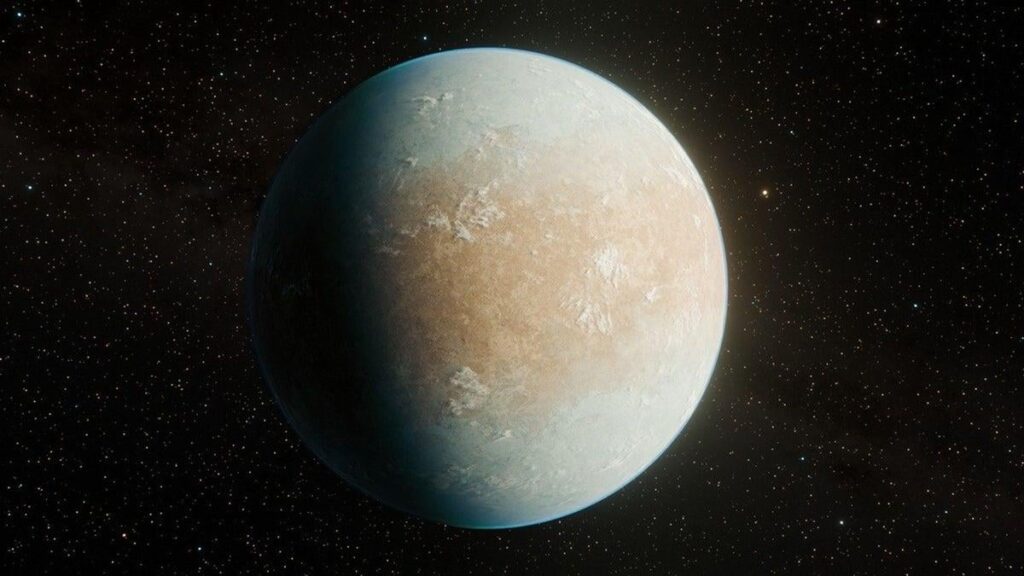
Astronomer here! Everyone is getting excited about this one, but it’s honestly premature. Right now we have only seen one transit of this planet in front of its star, meaning it is unconfirmed and the true orbital period (ie year) is unknown, with a range of 300-550 days.
So it is potentially exciting! But we currently do not really know if the planet is a. Real, or b. What its actual temperature is.

3 Comments
I have yet to see any means that exists or could exist to prove alien life exists
Even stuff that seems like golden tickets like free oxygen is now known to be possible through chemical processes, and as discoveries like that are made in the future they will only make positive detection more and more difficult.
And thats if our instruments even reach a point where we can be certain about what chemicals are there. Right now if you pointed our best instruments at the Earth in another star system its unlikely we’d see much beyond water and nitrogen.
Even mega structures need to be gigantic for us to have a reasonable shot at seeing them or doing something to massively alter the stars that host them.
When it comes to directly imaging planets in place of transits, don’t most nearby sunlike stars only have a handful of planets or planet candidates, and maybe not even that much since transits are rare? Plus, it takes years to gather radial velocity data for long period planets, especially around sunlike stars, and projects like KOBE are limited to Super-Earths, not Earth-sized planets.
We really don’t know of many rocky (ish) planets in the habitable zone of sunlike stars, especially close (ish) to Earth, and ~150 light years is pretty close all things considered. So either way, we’d have to hedge our bets, and either aim telescopes at stars with no known candidates in the first place (or no candidates in the habitable zone), or a planet candiate like this one. A candidate is better than nothing. I’m willing to bet the Habitable Worlds Observatory will take a crack at directly imaging the system if it can.
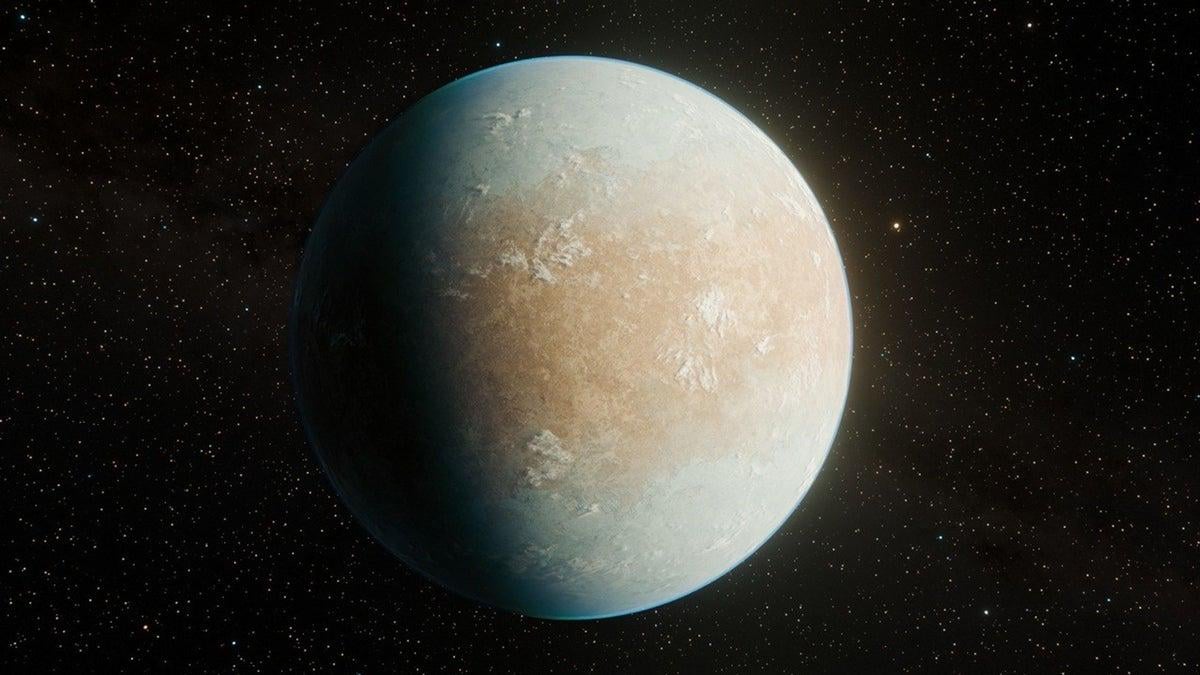
Astronomer here! Everyone is getting excited about this one, but it’s honestly premature. Right now we have only seen one transit of this planet in front of its star, meaning it is unconfirmed and the true orbital period (ie year) is unknown, with a range of 300-550 days.
So it is potentially exciting! But we currently do not really know if the planet is a. Real, or b. What its actual temperature is.