
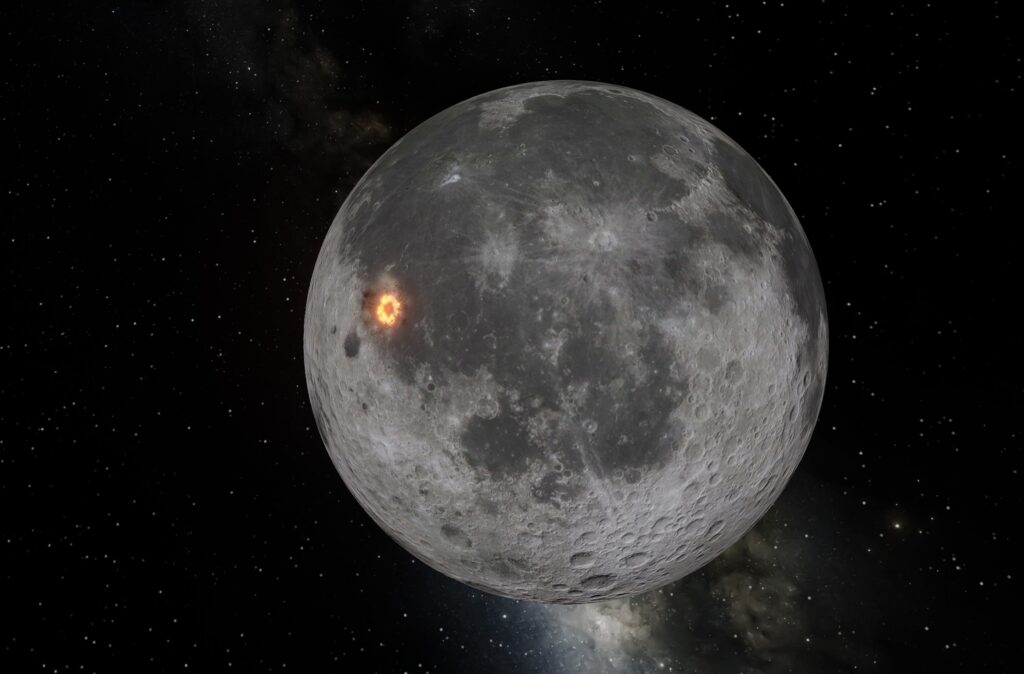
In 2032, we may witness an incredible spectacle and scientific sensation: an asteroid has a real chance of hitting the Moon. Although the probability is only 4%, scientists are already preparing for a possibility that combines risks for our technological civilization and a unique opportunity for science.
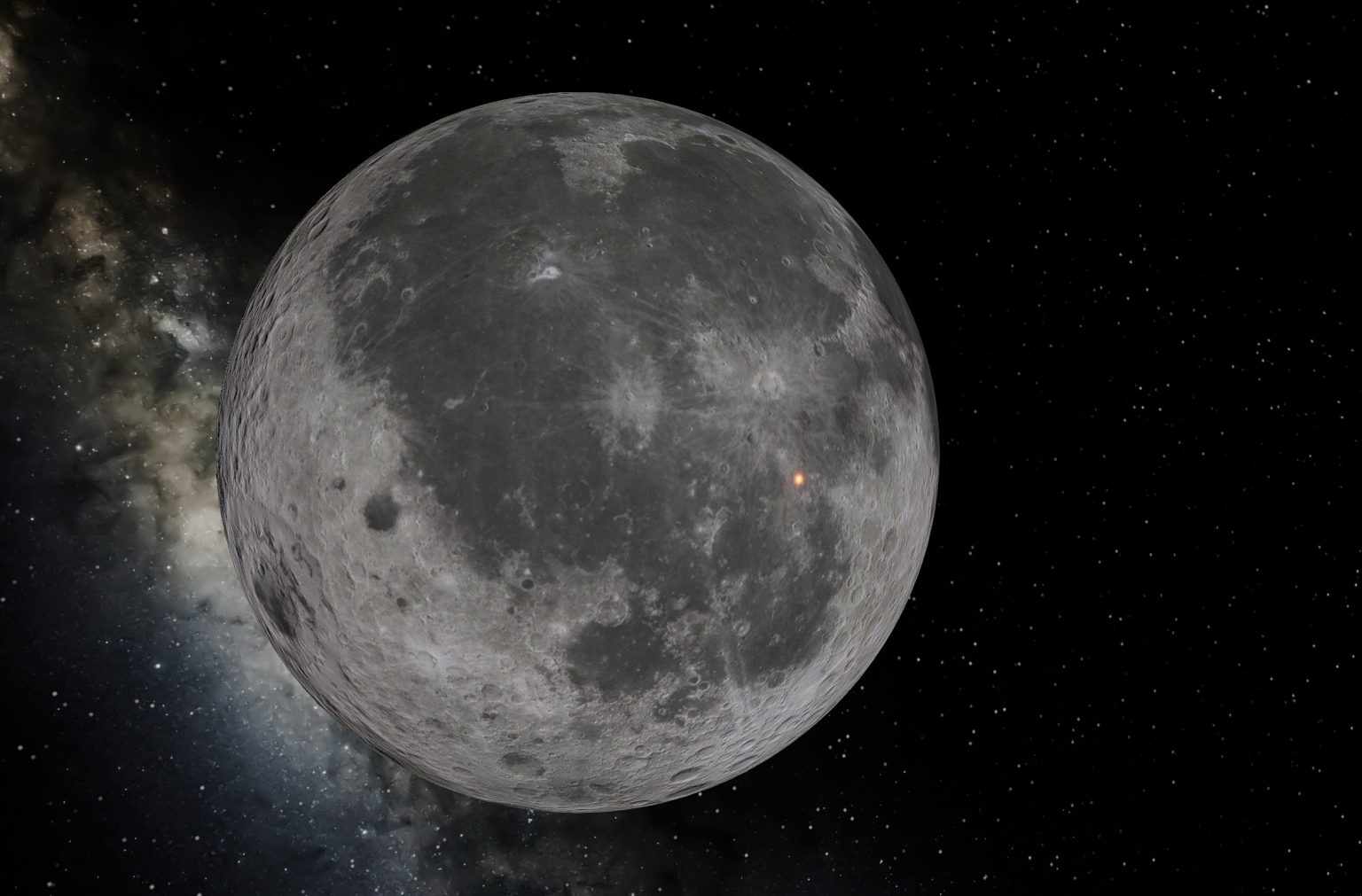 Simulation of a 60-meter asteroid hitting the moon’s surface in 2032. The bright spot is the approximate size of a one-second flash, which will be similar in power to a thermonuclear explosion. Source: Universe Sandbox
On December 22, 2032, an asteroid named 2024 YR4 may collide with the surface of our neighbor. The object, which is about 60 meters wide, will release energy comparable to that of a powerful thermonuclear weapon upon impact. If this happens, the explosion will be clearly visible from the night side of Earth, particularly from the Pacific region.
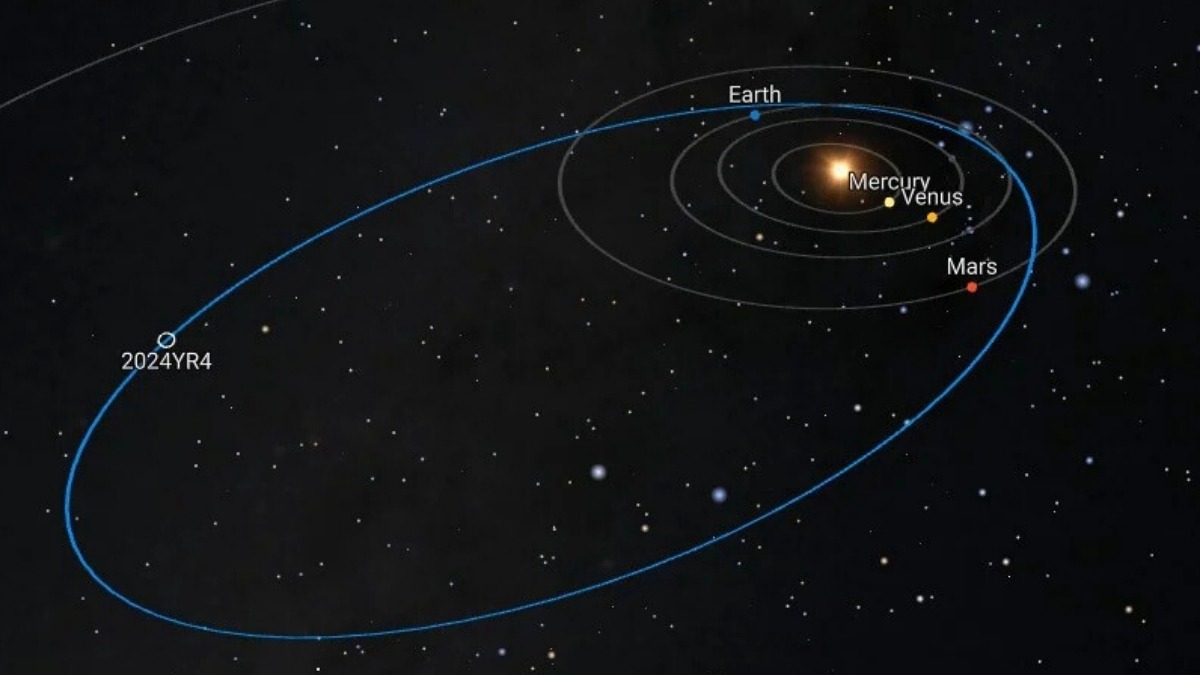 Orbit of asteroid 2024 YR4
For scientists, such an impact is an unprecedented opportunity to study the Moon.
Seismology. The collision will cause a lunar quake with a magnitude of 5, making it the strongest in recorded history. By analyzing how the waves will propagate through the moon, scientists will be able to glimpse its internal structure.
Crater formation. The impact will create a crater approximately 1 km wide. Observing the crater formation process in real time and studying its dimensions will help us better understand the history of bombardment of the Moon and other planets.
Chemical analysis. The superheated plasma and molten rock, which will cool over several days, will be studied by infrared telescopes such as the James Webb.
Samples. It is estimated that up to 400 kg of lunar debris knocked out by the explosion could fall to Earth. This will provide astronomers with unique material for research, like a free soil delivery mission.
Risks for Earth
However, the event will also have dangerous consequences. A few days after the impact, Earth may be hit by a stream of small debris. At the peak of activity, the number of “shooting stars” could reach 20 million per hour, as well as up to 400 bright fireballs.
The most serious danger is considered to be damage to numerous satellites in orbit. A large-scale collision with debris could trigger a chain reaction (Kessler syndrome), which would destroy GPS satellite networks, communications, and the internet for many years. Although unlikely, larger pieces of debris could reach the Earth’s surface, creating a local threat.
Reject or observe?
Due to the risks described above, some space agencies are already considering the possibility of a mission to deflect the asteroid. However, no decision has been made yet. A 4% probability is enough to prepare, but not enough to take decisive action. In the coming years, when the asteroid’s trajectory is refined, humanity will have to weigh whether it is worth averting a potential threat, depriving itself of unique scientific knowledge, or whether to take this as a rare chance to study space, taking a calculated risk.
Earlier, we reported on how an asteroid impact caused a 100-meter tsunami.
According to iflscience.com