
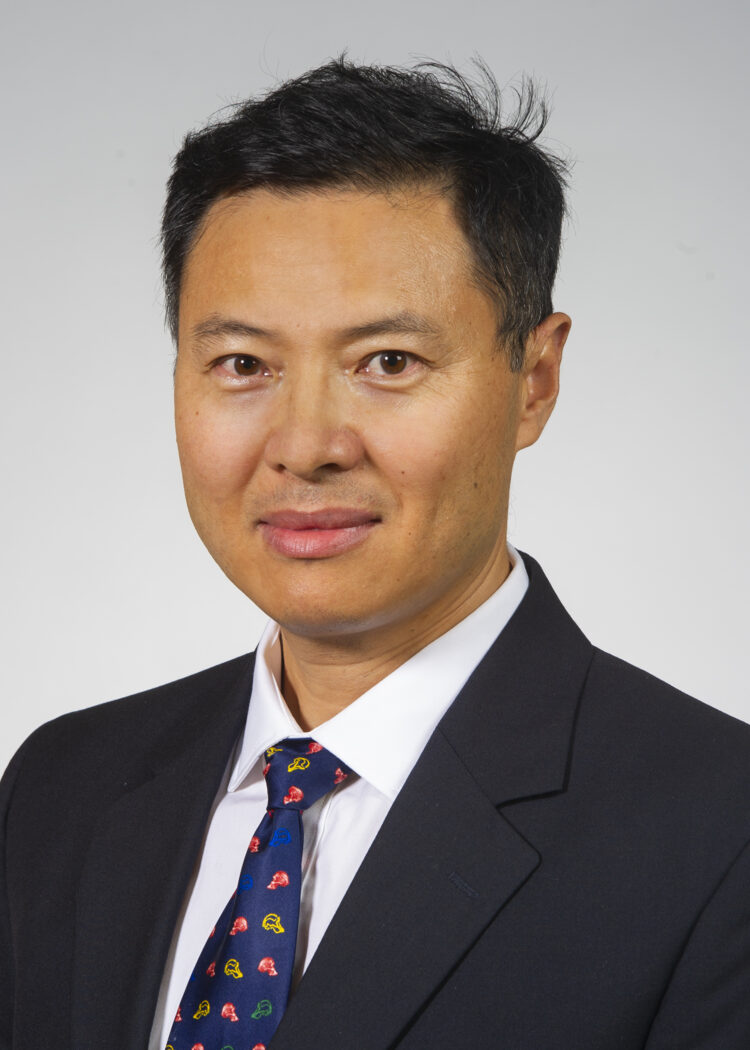
Qian Wang is a biomedical sciences professor. Courtesy of Texas A&M University College of Dentistry.
A professor at Texas A&M University College of Dentistry on Gaston Avenue was featured in the first episode of the History channel’s Ancient Aliens, Season 22, which aired earlier this month.
Qian Wang is a biomedical sciences professor, but he’s also a biological anthropologist who studies skeletal remains from ancient burial sites around the world, according to a press release from the college. He was part of a group who announced the finding of 25 thousands-years-old skeletons in northeast China years ago.
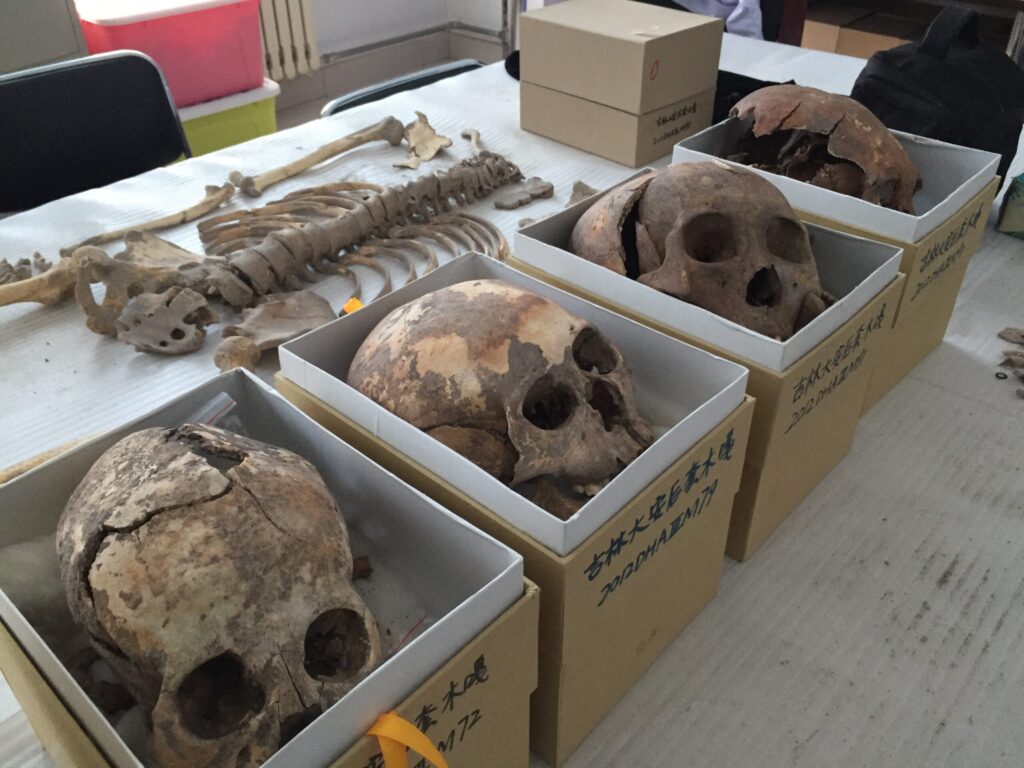
This relates to the episode Wang appeared on — “Skulls of the Gods,” which is about findings of elongated, alien-like skulls. A handful of the skeletons found in China had “artificially elongated braincases and flattened bones in the back of the heads,” according to the press release. The theory is that the skulls were modified during infancy by wrapping babies’ heads in tight cloth and sometimes with boards.
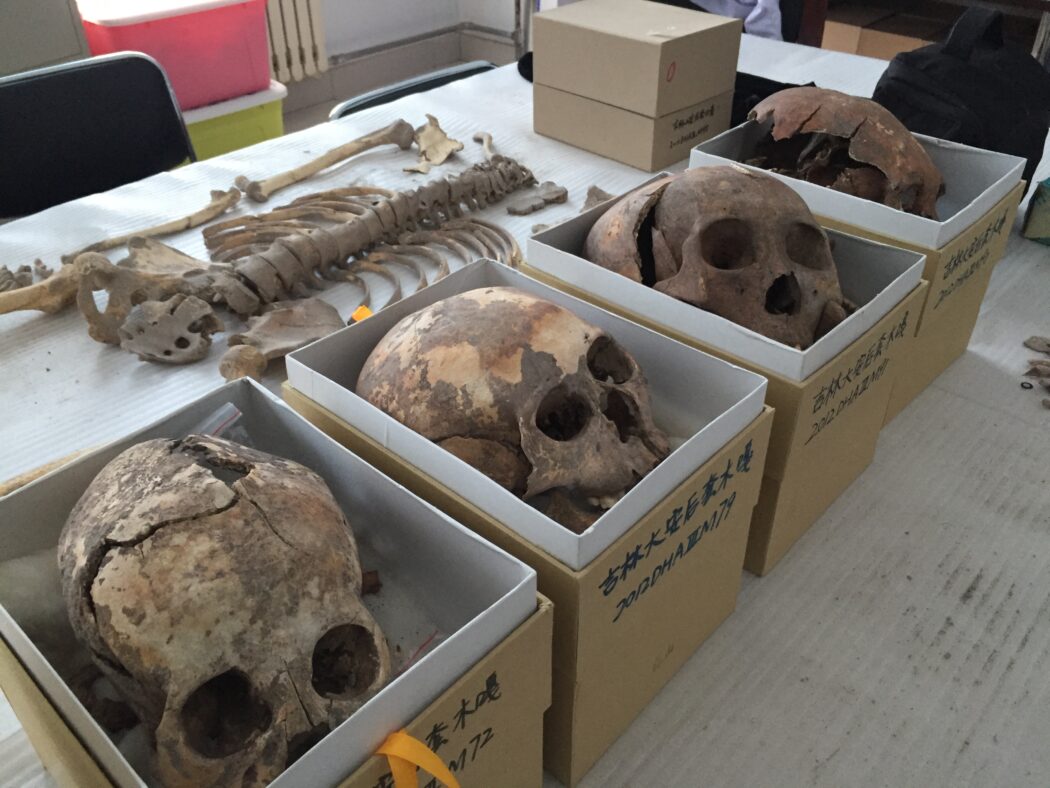
These skulls were screened for head-binding. Courtesy of Texas A&M University College of Dentistry.
“There are many theories as to why these elongated deformations were performed,” said Wang, who was interviewed for Ancient Aliens several months ago, per the press release. “We humans constantly reshape our bodies and our minds. The elongated head could have symbolized and amplified the person’s higher status within the group. The head-binding practice could be humans reimagining themselves to look like gods and goddesses.”
Wang has continued to study skeletal collections to get an idea of the changes in health of ancient humans. Another big find for him came last year when the remains of a woman in China from 2,200 years ago was found with red-stained teeth, painted with the toxic cinnabar mineral.
You can catch Wang on Ancient Aliens here.