
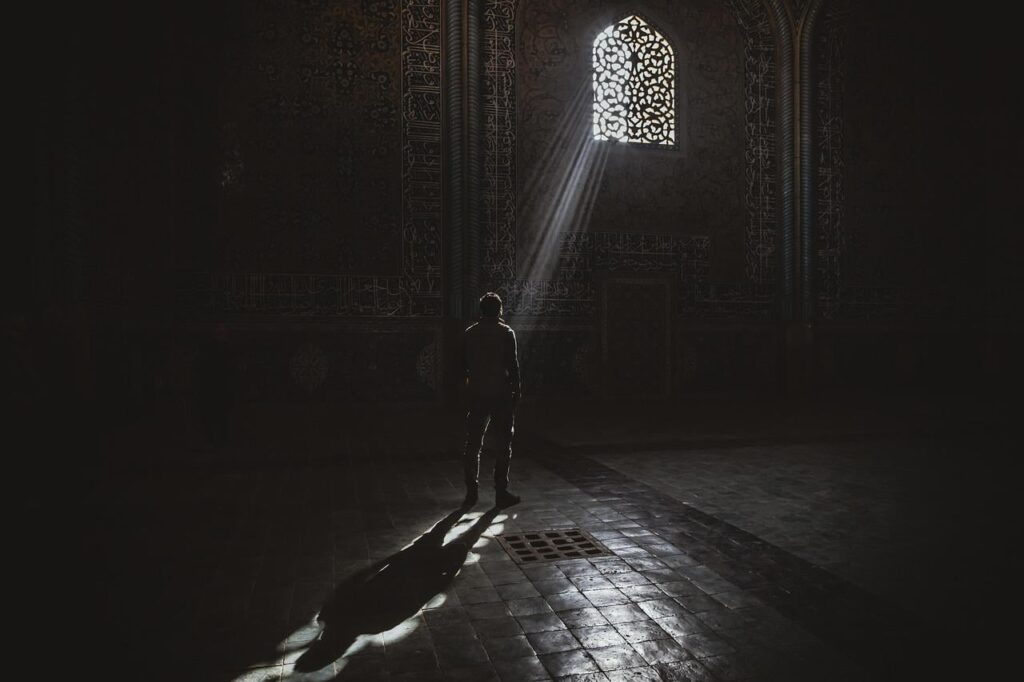
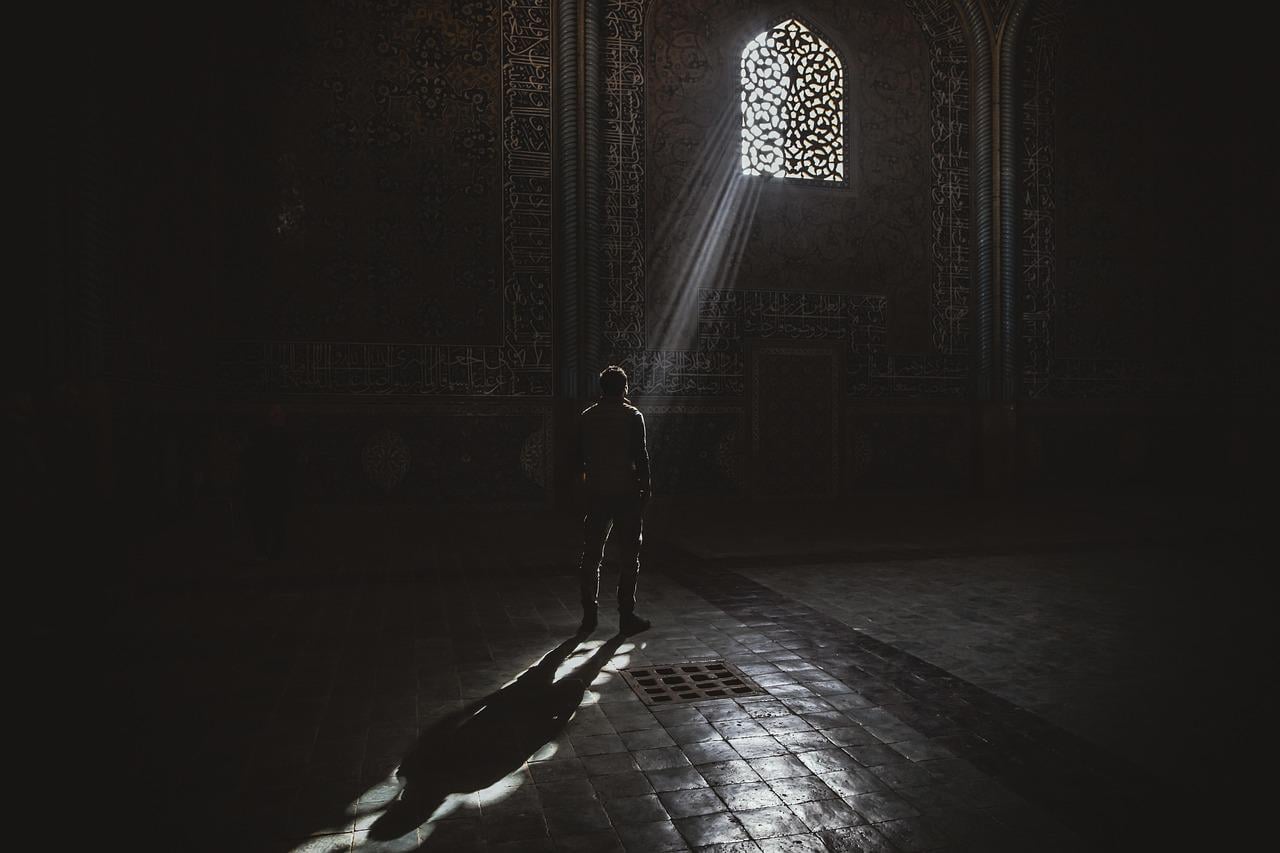
Shadows are usually explained in the simplest way possible.
Light exists, something blocks it, and a dark shape appears.
End of story.
But that explanation has never really satisfied people.
Not now, and definitely not in the past.
Across different cultures and time periods, shadows were treated with a strange kind of caution. Not fear exactly — more like suspicion. As if a shadow wasn’t just a result of light, but something that followed a person rather than belonged to them.
In many ancient belief systems, shadows were described as a secondary presence. Not the body itself, and not exactly the soul either. Something in between. Something quieter.
Old texts from different regions mention shadows in ways that feel oddly consistent. Shadows stretching when they shouldn’t. Appearing distorted. Lagging behind. Showing up in places where light conditions didn’t fully explain them.
What’s interesting is that shadows were rarely described as dangerous on their own. Instead, they were often treated as signs. Indicators that something unseen was nearby, or passing through.
In several traditions, shadows were associated with liminal moments — dusk, dawn, doorways, thresholds, half-lit rooms. Times and places that were neither fully one thing nor another. Ancient writers seemed to believe that whatever existed “in between” used shadows as a kind of surface, or outline.
Some belief systems suggested that non-human entities didn’t appear directly, but interacted with the physical world through indirect forms. Smoke. Wind. Reflections. And yes — shadows. Not because they were shadows, but because shadows were easier to occupy.
This idea shows up again and again: the shadow as a medium, not an identity.
Even religious and semi-religious texts hint at this without spelling it out. Shadows are mentioned as places of shelter, but also of uncertainty. Protection and danger share the same space. It’s never fully clear which side a shadow is on.
That ambiguity is probably why shadows still unsettle people today. Not in total darkness, but when there is light. When the shadow shouldn’t look the way it does.
Maybe shadows really are just physics.
But it’s hard to ignore the fact that for thousands of years, people from completely different cultures looked at the same simple phenomenon and came to the same uneasy conclusion:
A shadow is close to you.
But it may not be entirely yours.
by bortakci34