
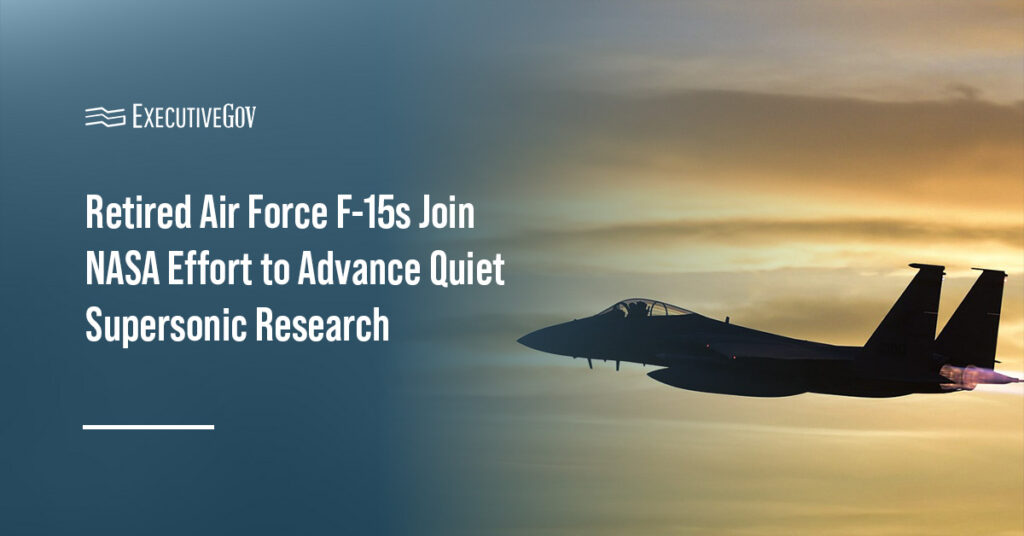
NASA is expanding the capabilities of its flight research fleet with the addition of two retired U.S. Air Force F-15 aircraft, strengthening the agency’s ability to support high-speed aeronautics testing tied to its quiet supersonic research goals.
The aircraft have been integrated into operations at Armstrong Flight Research Center in Edwards, California, where they will support the Flight Demonstrations and Capabilities project, NASA said Friday. One of the jets will be returned to flying status as an active research aircraft, while the second will be used to sustain long-term operations by supplying parts for the fleet.
Why Are F-15s Important to NASA’s Supersonic Research?
NASA said the F-15 remains suited for flight research due to its ability to operate at high speeds and altitudes while carrying experimental hardware. The aircraft’s design allows researchers to mount instruments externally and adapt onboard systems for specialized test missions. Its ground clearance also enables the installation of test equipment that would not fit beneath many research aircraft.
At Armstrong, engineers will modify the aircraft’s software, avionics and flight controls to meet mission-specific requirements.
How Do the Aircraft Support the X-59 Mission?
The F-15s will support testing associated with NASA’s Quesst mission, which centers on the X-59 quiet supersonic research aircraft developed in partnership with Lockheed Martin. The X-59 is designed to reduce the disruptive sonic boom produced during supersonic flight into a quieter “thump,” a key step toward enabling commercial supersonic travel over land.
NASA already operates modified F-15s capable of safely flying at altitudes up to 60,000 feet, aligning with the X-59’s planned cruise altitude of approximately 55,000 feet. The newly added aircraft will receive similar modifications, enabling them to operate within the same high-altitude flight envelope and to support data collection throughout the program’s life.
Where Did NASA’s F-15 Aircraft Come From?
The two F-15s were transferred from the Oregon Air National Guard’s 173rd Fighter Wing at Kingsley Field following their retirement from military service. After completing their final Air Force flights, the aircraft arrived at NASA Armstrong in late December 2025.
NASA has a long history of operating F-15s for research, dating back to the aircraft’s early years.
“Dozens of scientific experiments have been flown over the decades on NASA’s F-15s and have made a significant contribution to aeronautics and high-speed flight research,” said Troy Asher, director for flight operations at NASA Armstrong.
What Comes Next for F-15?
While their immediate priority is supporting X-59 testing, Asher said both aircraft are expected to provide long-term value beyond the quiet supersonic mission. The addition of the F-15s positions NASA to resume collaboration with external partners, including the Department of War and commercial aviation companies.
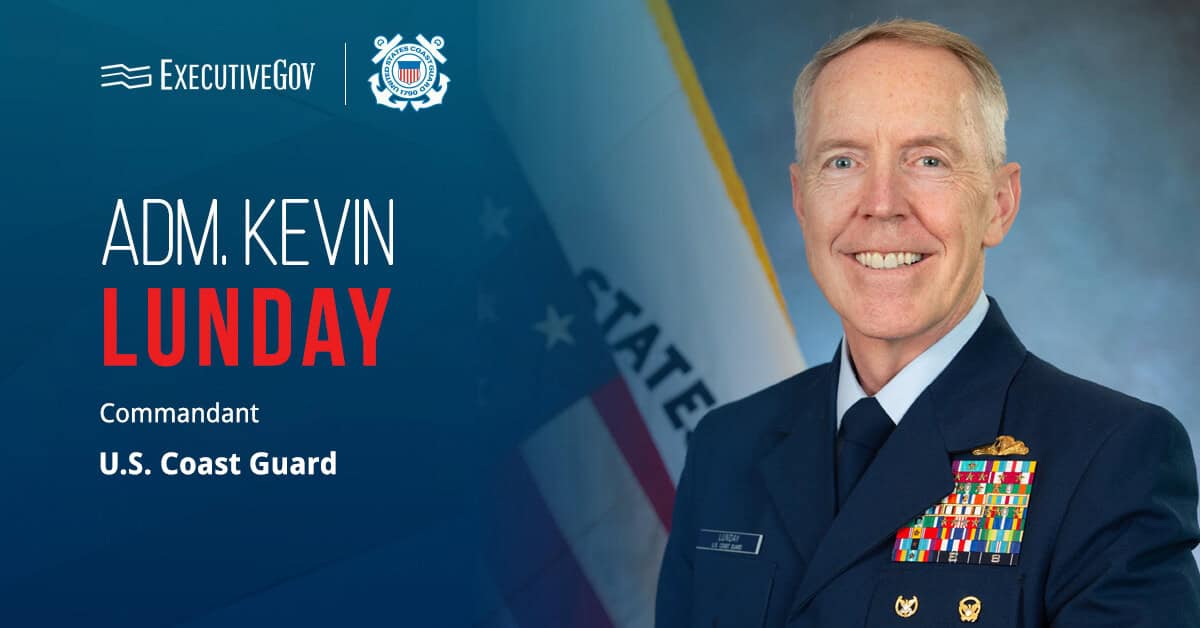 Adm. Kevin Lunday Takes Helm of US Coast Guard
Adm. Kevin Lunday officially took command of the U.S. Coast Guard during a swearing-in and assumption of command ceremony on Thursday at Coast Guard headquarters in Washington, D.C. Kristi Noem, secretary of the Department of Homeland Security and a previous Wash100 awardee, joined senior leaders of USCG and Joint Force members during the transition of command, USCG said Thursday. What Are DHS Secretary Kristi Noem’s Thoughts on Adm. Kevin Lunday? Noem said President Trump wanted to revitalize the Coast Guard, equip it with the best available technology, ships and aircraft, and recruit the men and women necessary to carry out
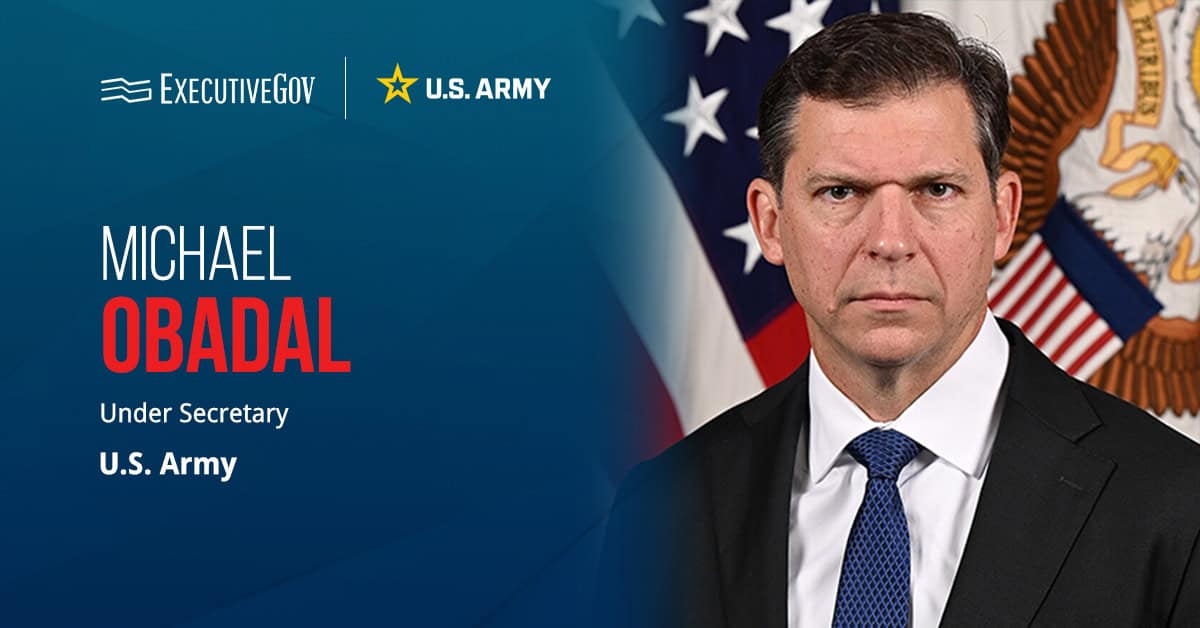 Michael Obadal: Army to Issue New Software Directive
Army Under Secretary Michael Obadal said the military branch is updating its software directive and is set to release it “in the coming weeks,” Federal News Network reported Friday. As the Army moves closer to releasing its updated software directive, the changes signal a broader evolution in how the service approaches digital capabilities. The Potomac Officers Club’s 2026 Army Summit offers an opportunity for government and industry leaders to engage on the Army’s priorities and direction. Register now! The service plans to update the document on an annual basis to keep pace with the evolving operating environment. What Are Army
 GAO Urges Navy to Improve Operational Testing Processes, Infrastructure for New Vessels
The Government Accountability Office has identified shortfalls in the way the U.S. Navy plans and conducts operational testing to validate new vessels’ capabilities to counter adversary threats. In a report published Thursday, the congressional watchdog revealed that the Navy does not involve fleet organizations when planning operational tests, missing the opportunity to gain direct user feedback, and has not taken coordinated action to establish a digital test infrastructure. Get insider insights from upcoming Navy initiatives at the Potomac Officers Club’s 2026 Navy Summit on Aug. 27. The event will bring together defense agency and industry leaders to discuss the challenges