
Since the end of the Apollo program in 1972, NASA has been looking for ways to return back to the moon. In 2022, the space agency launched the Artemis 1 moon mission, an uncrewed spacecraft that laid the foundations for the missions coming after it.
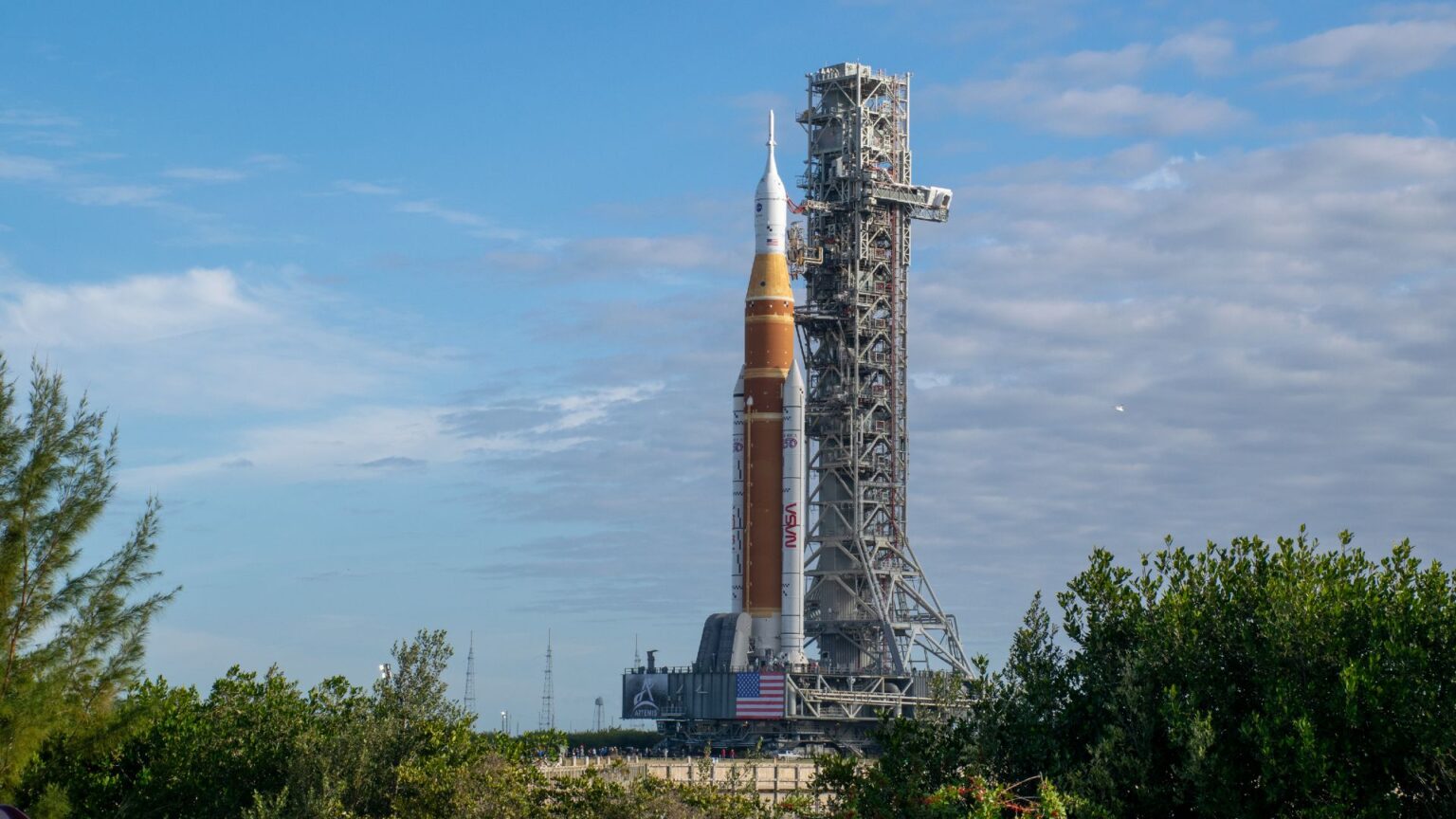
Now, three years later, Artemis 2 is slated for launch as the first crewed mission to return to our moon. But to get there, the rocket has to be moved from the Vehicle Assembly Building (VAB) at NASA’s Kennedy Space Center to its designated launch pad.
What is it?
The four-person Artemis 2 crew will fly on the Space Launch System (SLS) and Orion spacecraft. Instead of landing, the team will head on a roughly 10-day trip that loops around the moon and returns to Earth, an intentionally conservative “test flight” designed to validate that Orion and its support systems can keep the astronauts safe and productive in deep space.
You may like
The Artemis 2 team iincludes NASA’s Reid Wiseman, Victor Glover, and Christina Koch, and the Canadian Space Agency’s Jeremy Hansen, all of whom will help the mission act as a proving ground for the human factors that can’t be fully simulated on Earth, from life support performance to emergency procedures.
According to NASA, the launch of Artemis 2 could be as early as sometime in February, if all goes according to plan.
Where is it?
The VAB is located at Kennedy Space Center, with the launchpad located at Cape, Canaveral.
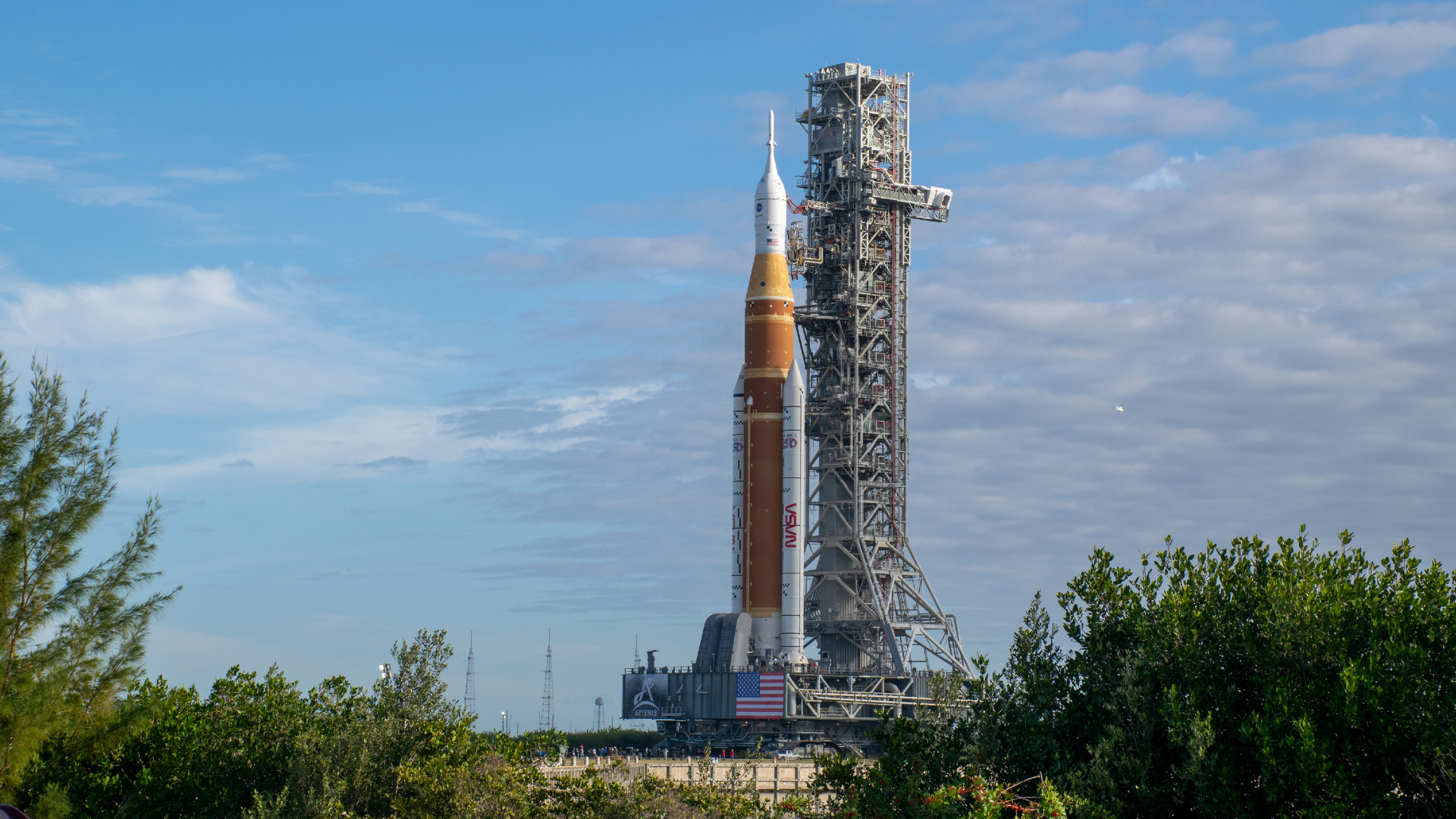
The stacked Artemis 2 vehicle includes the Orion spacecraft and SLS. (Image credit: Josh Dinner/Space.com)Why is it amazing?
Rollout is a key inflection point where the momentum shifts from “assembly” to “launch campaign.” Once at the pad, the teams begin connecting Orion and SLS to pad infrastructure, from electrical to propellant systems, and then power up and check that the fully integrated vehicle is ready. It’s the first time the whole system is exercised end-to-end in the environment and configuration it must survive in on launch day.
A mission’s rollout also sets up the wet dress rehearsal, where the teams will load more than 700,000 gallons of cryogenic propellants, run through countdown operations and practice draining the vehicle, without the astronauts onboard. Wet dress rehearsals are designed to uncover the real-world fueling and timing issues that only show up when you chill miles of plumbing down to super-cold temperatures and try to operate like it’s launch day. NASA plans to hold their wet dress rehearsal on February 2nd, if nothing goes awry.
If Artemis 2 performs as intended, it will mark humanity’s first crewed voyage into the moon’s neighborhood since Apollo, and just as crucially, it will turn Artemis from a successful uncrewed demonstration into a validated system for carrying people back toward lunar exploration.
Want to learn more?
You can learn more about Artemis 2 and Artemis 1.