

Shutterstock
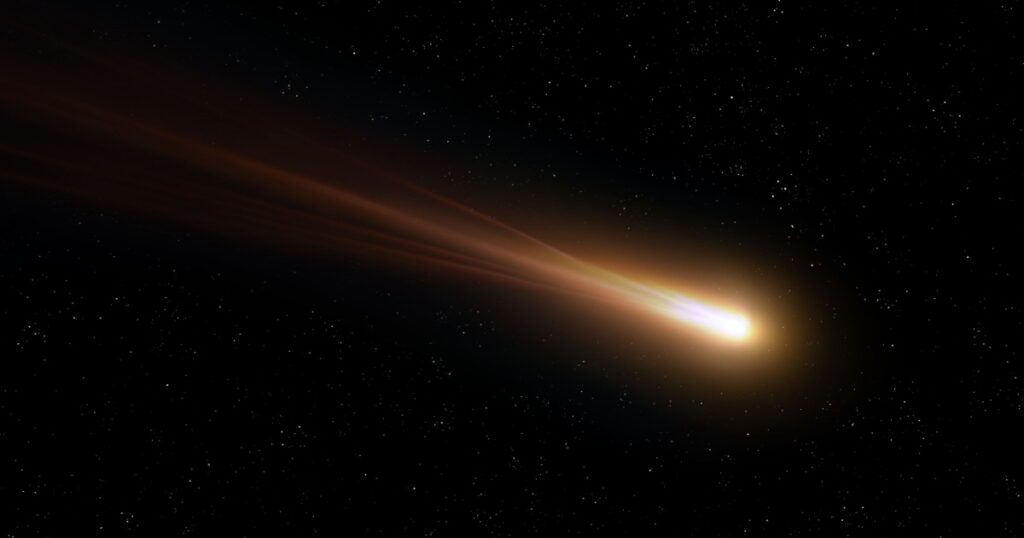
The comet (or alien craft, depending on who you ask) 3I/ATLAS is just the third known interstellar object to enter our solar system, so it is no surprise that the astronomical community is using all available resources to study it.
As it approaches the sun, it begins to heat up in ways that it likely hasn’t for many millions of years. Part of this can cause tiny particles of dust and debris to be removed from the comet itself and left behind in space.
Astronomers have been studying this object since it was first spotted, and those studies will continue until it is on its way out of the solar system. As a part of that effort, researchers David Jewitt and Jane Luu worked to determine just how much dust is being removed from the comet.
Their study, which is awaiting peer review, is available on arXiv, shows that when it was about 300 million kilometers (186 million miles) away, the comet was jettisoning about 180 kilograms (397 pounds) of material every second.
Shutterstock
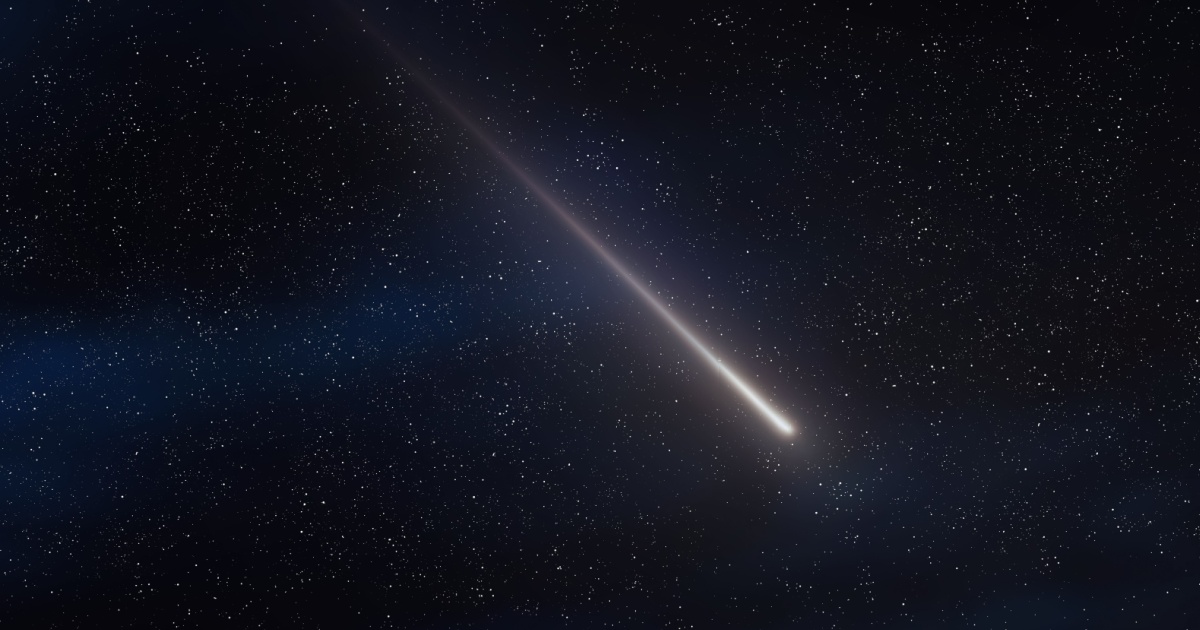
This is significantly more than the two previous comets from outside of the solar system ever lost. It is, however, still well within the range of what astronomers call normal when it comes to this type of thing.
This illustrates the fact that objects from outside of our solar system come in very diverse types, just like those from within. With additional study, this will help the researchers to learn more about what this object is made of and potentially where it is coming from.
If you thought that was interesting, you might like to read about why we should be worried about the leak in the bottom of the ocean.