
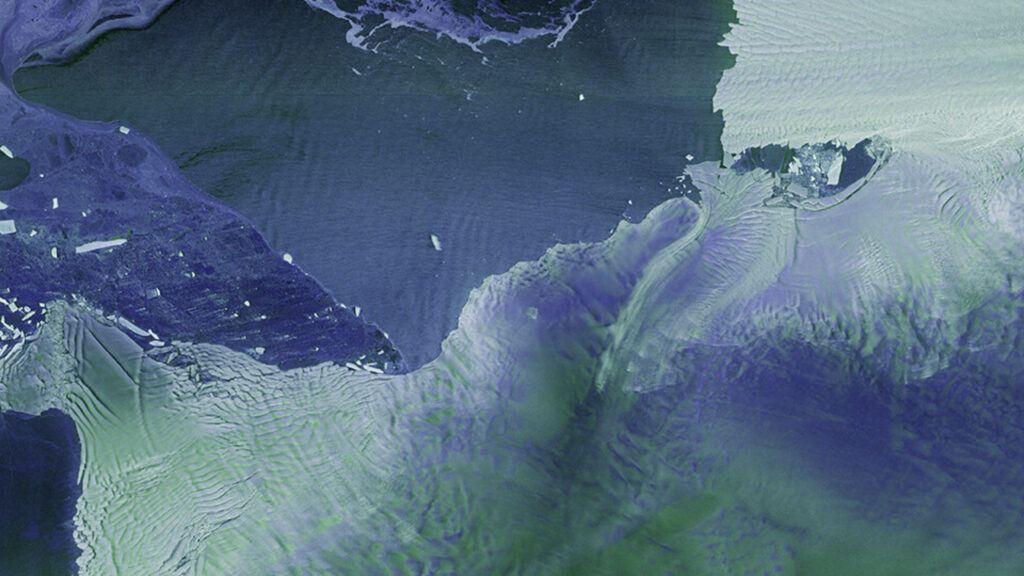
On 6th November, the ESA Sentinel-1D satellite took its first images using the 12m-long-sythetic aperture radar (SAR) instrument. These images were taken above the Antarctic and South America a record-setting two days after the satellite was launched into space on board an Ariane 6 launcher.
Sentinel-1D Sets A New Record For Space Radar
According to ESA, the Sentinel-1D satellite has set a new record for the shortest time from launch into space to transmitting the first images to Earth. It completed this entire process faster than the Sentinel-1B satellite, which delivered its first image within two hours.
The regions that this satellite captured are the Antarctic Peninsula, the Tierra del Fuego, the Thwaites Glacier, and Bremen in Germany. This satellite not only relied on its 12m.-long-synthetic aperture radar (SAR) instrument but also on its Automatic Identification System (AIS), helping it detect ships and sea pollution in the regions it imaged.
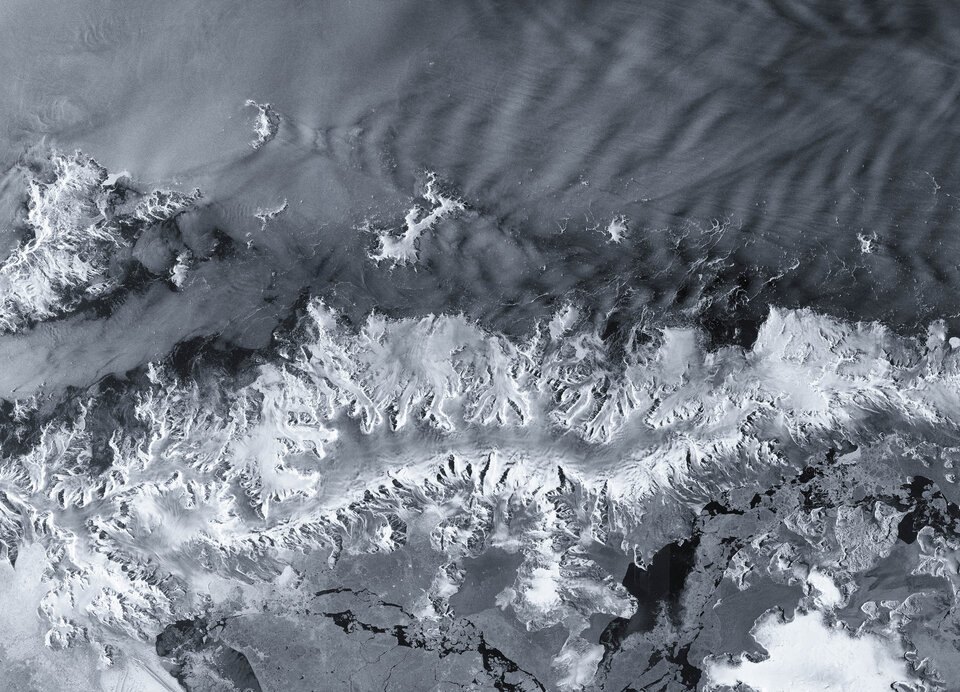 Antarctic Peninsula Imaged By Sentinel-1D Image Credit ESA
To highlight details in each of the images, it took different radar waves. From the image of the Antarctic Peninsula, we can see a contrast between the ocean and the peninsula’s icy landscape.
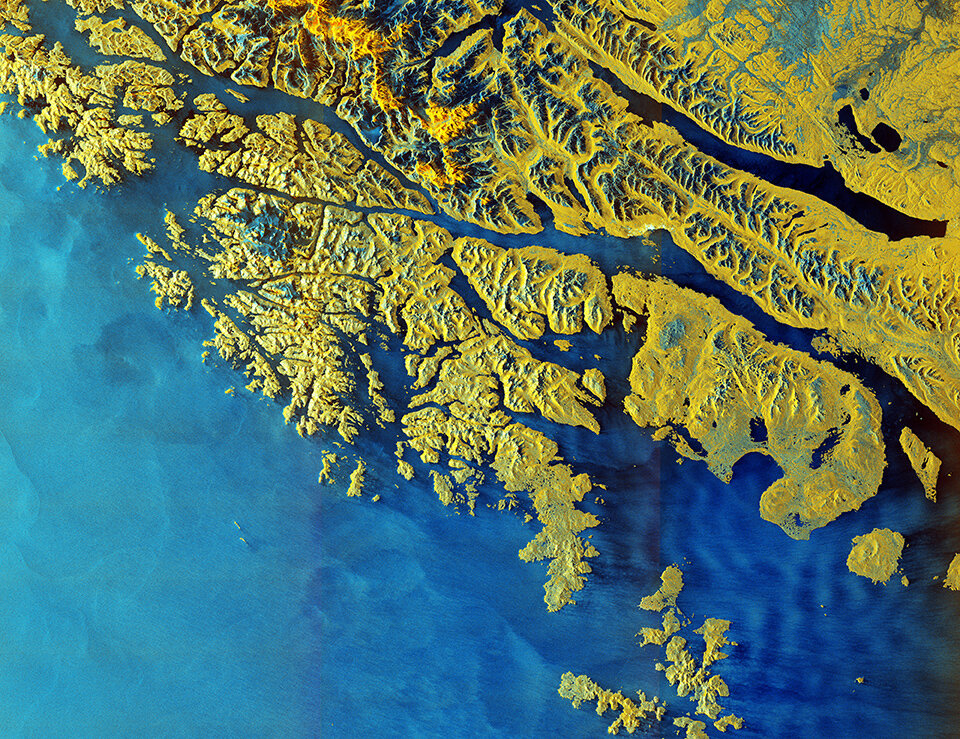 Tierra del Fuego Imaged By Sentinel-1D Image Credit ESA
In the image of Tierra del Fuego, the bright contrasting colours show not just the oceans and the land, but also the icy peaks that are visible across the land. Remarkably, the image of the Thwaites Glacier shows the glacier present under the water using the contrasting colours in comparison with other parts of the water where no glaciers are concealed.
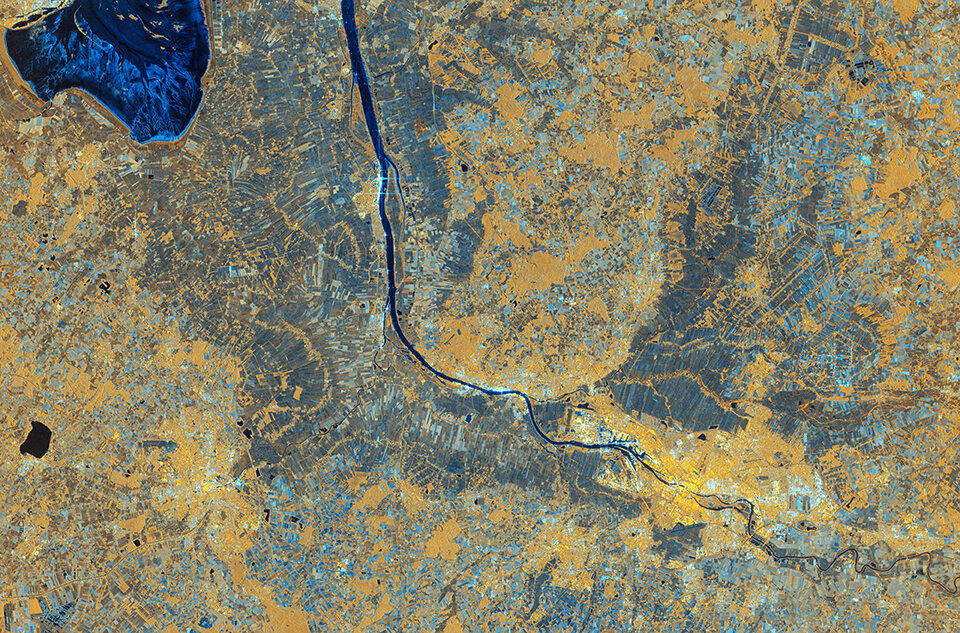 Bremen Imaged By Sentinel-1D Image Credit ESA
As for the image of Bremen in Germany, Sentinel-1D was able to capture the topography of the land as well as a body of water which runs through the land. The amount of details in these images shows how capable the satellite is, over the course of this satellite’s mission, more images will be made available by the ground station in Maltera, Italy.